THE ADVENTURE COLLECTIVE® · Independent discovery and booking for outdoor travel

Join a hands-on pipi harvesting and beach cook-up at Goolwa, where guides teach sustainable foraging, cooking, and local cultural context. Time your visit to low tide and bring sun protection for a family-friendly coastal experience.
Join a hands-on pipi harvesting and beach cook-up at Goolwa, where guides teach sustainable foraging, cooking, and local cultural context. Time your visit to low tide and bring sun protection for a family-friendly coastal experience.
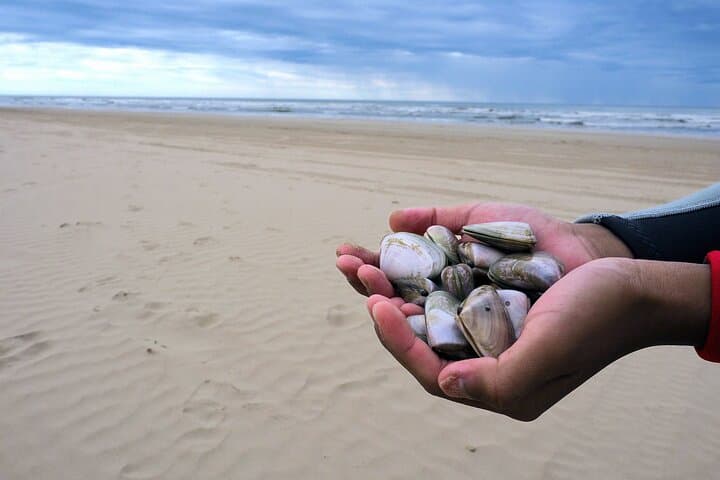
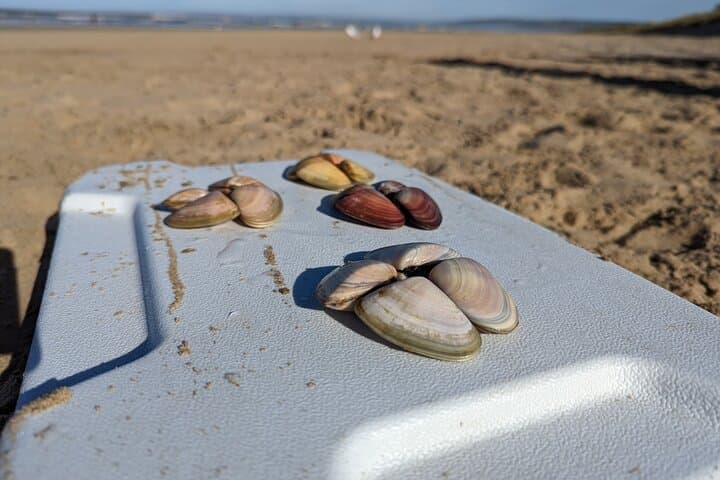
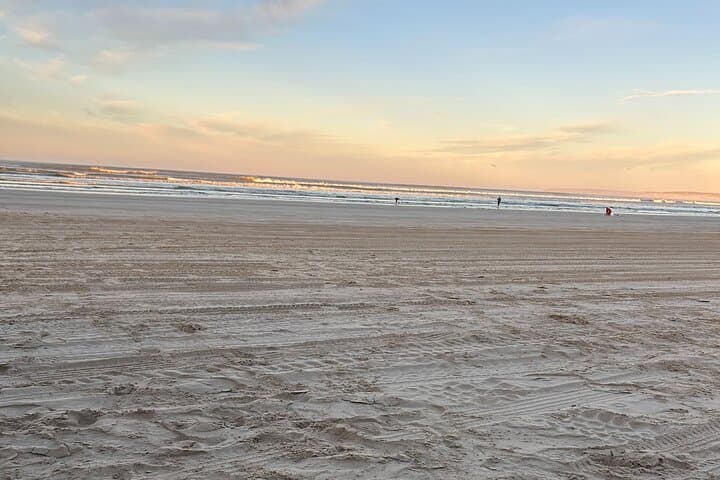
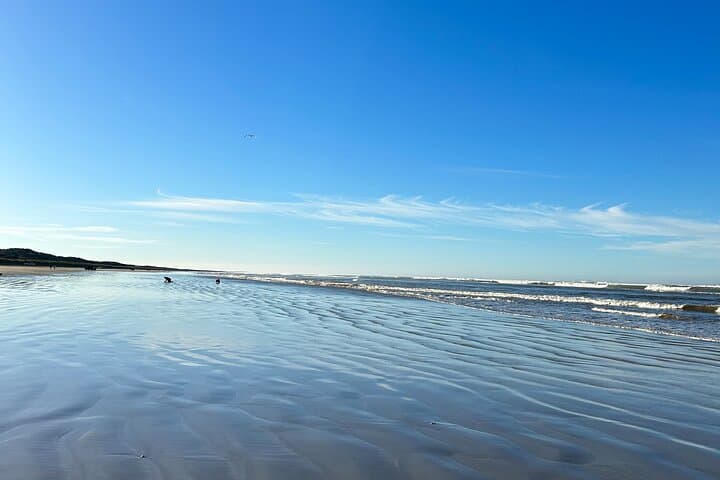
The morning opens over a low, wide beach at Goolwa: wind brushes the salt flats, the sand cool and firm as the tide inches out, exposing pale pipi shells like spilled coins. Guides gather the group, hand out rakes and buckets, and demonstrate the small, practiced motions that reveal pipis tucked just beneath the surface. Children crouch, adults probe, and the sea keeps time with a slow, patient rhythm that asks you to read its edges.
Verified experiences and guided adventures in the surrounding area.
Operated by Catch N Cook World Tour · Goolwa, South Australia
The morning opens over a low, wide beach at Goolwa: wind brushes the salt flats, the sand cool and firm as the tide inches out, exposing pale pipi shells like spilled coins. Guides gather the group, hand out rakes and buckets, and demonstrate the small, practiced motions that reveal pipis tucked just beneath the surface. Children crouch, adults probe, and the sea keeps time with a slow, patient rhythm that asks you to read its edges.
This stretch of coastline sits at the mouth of the Murray River, where Holocene sand deposition and tidal action created the shallow flats that pipis favor. For the Ngarrindjeri people, pipis and other shellfish have long been food and cultural practice; recent community-led tours add ecological context, teaching sustainable harvest limits and handling techniques.
Expect hands-on learning: how to identify edible pipis, where to dig, and simple beachside cooking methods—steaming or light pan-frying—using local flavors. Tides dictate timing, and guides will schedule around low tide windows so the beds are accessible.
Practical guidance: wear sturdy, quick-dry shoes and sun protection; bring a waterproof bag for shells and a small cooler if you plan to transport your take-home bag. The outing is low-impact but active—plan for 3–6 hours on foot with some bending and kneeling. Follow the guide’s limits on sizes and take-home quantities to protect local stocks. With a little patience and the right tide, this is an easy, memorable blend of fieldcraft, food, and coastal history—perfect for families wanting a tactile connection to the sea.
easy.
4–6 hours.
Suitable for most fitness levels; involves walking on sand, bending, and kneeling.
Yes—this family-friendly activity is designed for kids, with hands-on instruction and safety guidance.
Guides typically advise on local regulations and harvest limits; most commercial tours include permission guidance, but check with the operator about take-home allowances.
Tours are scheduled around safe low-tide windows; operators may cancel or reschedule in poor weather or unsafe tidal conditions.
Yes—there’s a supervised beachside cooking and tasting session; if you take pipis home, follow guide advice on storage and preparation.
Goolwa sits near the Murray River mouth and has long been important to Ngarrindjeri communities for food and ceremony; 19th-century river trade later shaped the town’s maritime heritage.
Responsible harvesting and adherence to local bag limits protect pipi beds; many tours emphasize hands-off restoration and minimal-impact practices.
Catch N Cook World Tour operates guided outdoor trips and adventures with an emphasis on safety, stewardship, and memorable experiences.
The morning opens over a low, wide beach at Goolwa: wind brushes the salt flats, the sand cool and firm as the tide inches out, exposing pale pipi shells like spilled coins. Guides gather the group, hand out rakes and buckets, and demonstrate the small, practiced motions that reveal pipis tucked just beneath the surface. Children crouch, adults probe, and the sea keeps time with a slow, patient rhythm that asks you to read its edges.
The morning opens over a low, wide beach at Goolwa: wind brushes the salt flats, the sand cool and firm as the tide inches out, exposing pale pipi shells like spilled coins. Guides gather the group, hand out rakes and buckets, and demonstrate the small, practiced motions that reveal pipis tucked just beneath the surface. Children crouch, adults probe, and the sea keeps time with a slow, patient rhythm that asks you to read its edges.
This stretch of coastline sits at the mouth of the Murray River, where Holocene sand deposition and tidal action created the shallow flats that pipis favor. For the Ngarrindjeri people, pipis and other shellfish have long been food and cultural practice; recent community-led tours add ecological context, teaching sustainable harvest limits and handling techniques.
Expect hands-on learning: how to identify edible pipis, where to dig, and simple beachside cooking methods—steaming or light pan-frying—using local flavors. Tides dictate timing, and guides will schedule around low tide windows so the beds are accessible.
Practical guidance: wear sturdy, quick-dry shoes and sun protection; bring a waterproof bag for shells and a small cooler if you plan to transport your take-home bag. The outing is low-impact but active—plan for 3–6 hours on foot with some bending and kneeling. Follow the guide’s limits on sizes and take-home quantities to protect local stocks. With a little patience and the right tide, this is an easy, memorable blend of fieldcraft, food, and coastal history—perfect for families wanting a tactile connection to the sea.