THE ADVENTURE COLLECTIVE® · Independent discovery and booking for outdoor travel

Walk through Ethiopia’s 17th-century imperial capital on a private guided tour of Fasil Ghebbi and the city’s painted churches. Expect a mix of short walks, historic frescoes, and close-up views of castle architecture—perfect for history-minded travelers who want an efficient, immersive day in Gondar.
Walk through Ethiopia’s 17th-century imperial capital on a private guided tour of Fasil Ghebbi and the city’s painted churches. Expect a mix of short walks, historic frescoes, and close-up views of castle architecture—perfect for history-minded travelers who want an efficient, immersive day in Gondar.
You step from the minivan into a city where stone keeps its stories: weathered battlements rise above a grid of narrow streets, and the air carries the tang of wood smoke and coffee brewing. Gates at Fasil Ghebbi open onto courtyards where emperors once paced; light finds fresco faces in small, cool churches.
Verified experiences and guided adventures in the surrounding area.
Operated by Aman Ethiopia Tours And Travel Agent · Gondar, Amhara
You step from the minivan into a city where stone keeps its stories: weathered battlements rise above a grid of narrow streets, and the air carries the tang of wood smoke and coffee brewing. Gates at Fasil Ghebbi open onto courtyards where emperors once paced; light finds fresco faces in small, cool churches.
Gondar was founded in 1636 by Emperor Fassilidas and became Ethiopia’s most enduring imperial seat. The volcanic highlands around the city provided the basalt and ash that underlie castle walls and terraced fields; the region’s geology shaped both architecture and agriculture. Culture here is visible in tabot-carrying processions, luminous murals at Debre Birhan Selassie and the layered European–Ethiopian influences in the castles’ design.
On this private tour expect a paced day of walking between sites: Fasil Ghebbi’s compound of royal residences, the intricately painted Debre Birhan Selassie church, and Qusquam Church with its quiet courtyards. Local guides explain symbolism in the murals and point out stonemasonry details missed at first glance.
Practical notes: wear sturdy shoes for uneven stone and short staircases, bring sun protection and a refillable water bottle, and carry small bills for donations or market purchases. Respect church dress codes—shoulders and knees covered—and keep voices low inside sacred spaces. Traffic can be slow; a private vehicle with pickup makes the day efficient but allow time for traffic and photo stops. Aim for mornings to avoid midday heat and to catch soft light on the castles.
moderate.
6–9 hours.
Reasonable stamina for several hours of walking and standing; some stair climbing inside churches and castle towers.
Admission policies vary; check your booking details—this tour’s description notes visits but not necessarily included entrance fees, so bring cash just in case.
The tour runs about 6–9 hours and includes round-trip private transfer and transport by air-conditioned minivan from your pickup point.
Only bottled water is listed as included; plan to purchase lunch locally or confirm meal options with your operator ahead of time.
Children can join (child rate applies when sharing with two paying adults); the tour requires moderate fitness and has stairs—mobility issues may limit access to some sites.
Gondar was established as a stationary imperial capital in 1636 by Emperor Fassilidas; successive emperors expanded the castle complex known as Fasil Ghebbi and built richly painted churches.
Wear and tear on ancient murals and stonework is a concern—follow guide instructions, avoid touching frescoes, and support local conservation initiatives with responsible donations.
Aman Ethiopia Tours And Travel Agent operates guided outdoor trips and adventures with an emphasis on safety, stewardship, and memorable experiences.
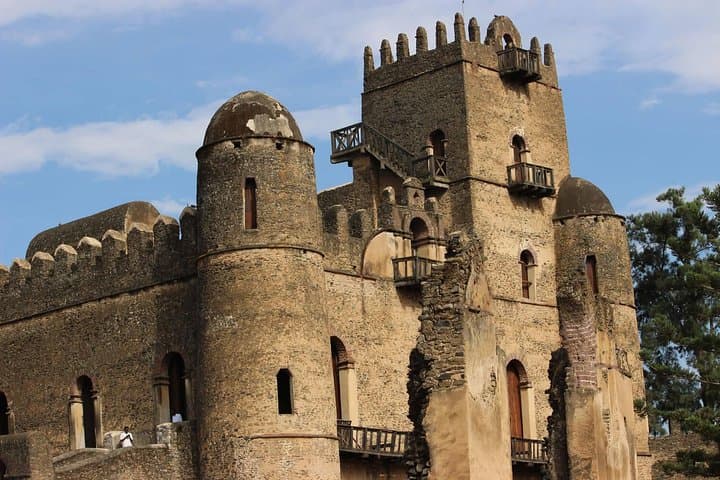
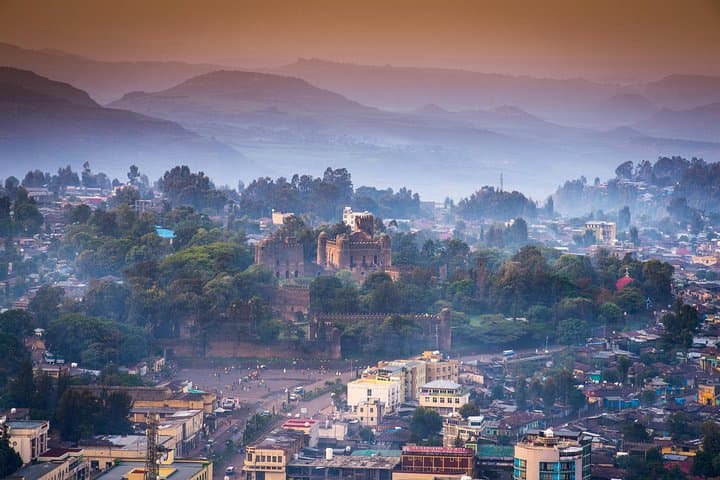
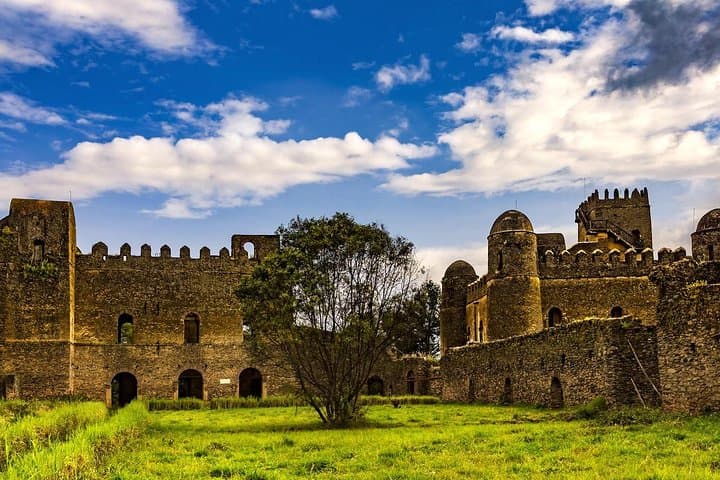
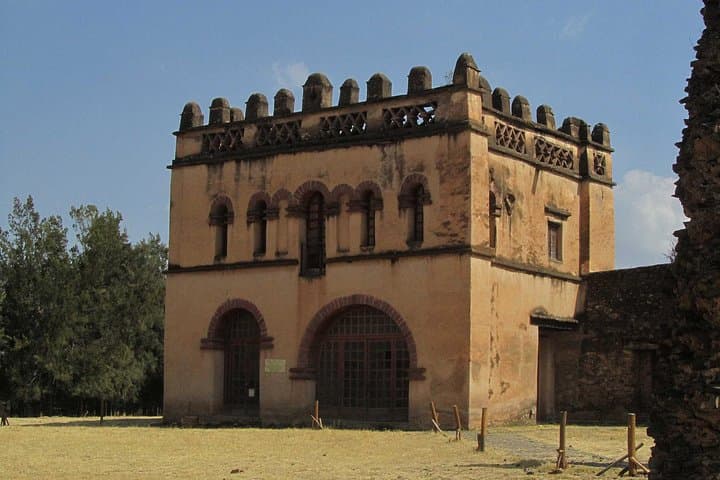
You step from the minivan into a city where stone keeps its stories: weathered battlements rise above a grid of narrow streets, and the air carries the tang of wood smoke and coffee brewing. Gates at Fasil Ghebbi open onto courtyards where emperors once paced; light finds fresco faces in small, cool churches.
You step from the minivan into a city where stone keeps its stories: weathered battlements rise above a grid of narrow streets, and the air carries the tang of wood smoke and coffee brewing. Gates at Fasil Ghebbi open onto courtyards where emperors once paced; light finds fresco faces in small, cool churches.
Gondar was founded in 1636 by Emperor Fassilidas and became Ethiopia’s most enduring imperial seat. The volcanic highlands around the city provided the basalt and ash that underlie castle walls and terraced fields; the region’s geology shaped both architecture and agriculture. Culture here is visible in tabot-carrying processions, luminous murals at Debre Birhan Selassie and the layered European–Ethiopian influences in the castles’ design.
On this private tour expect a paced day of walking between sites: Fasil Ghebbi’s compound of royal residences, the intricately painted Debre Birhan Selassie church, and Qusquam Church with its quiet courtyards. Local guides explain symbolism in the murals and point out stonemasonry details missed at first glance.
Practical notes: wear sturdy shoes for uneven stone and short staircases, bring sun protection and a refillable water bottle, and carry small bills for donations or market purchases. Respect church dress codes—shoulders and knees covered—and keep voices low inside sacred spaces. Traffic can be slow; a private vehicle with pickup makes the day efficient but allow time for traffic and photo stops. Aim for mornings to avoid midday heat and to catch soft light on the castles.