THE ADVENTURE COLLECTIVE® · Independent discovery and booking for outdoor travel

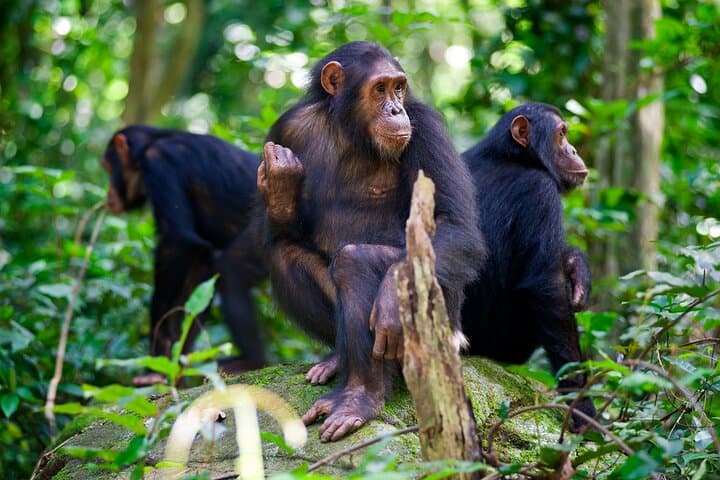
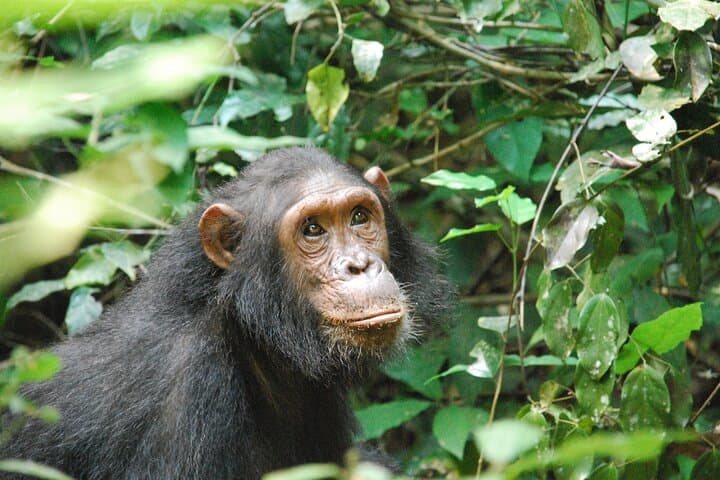
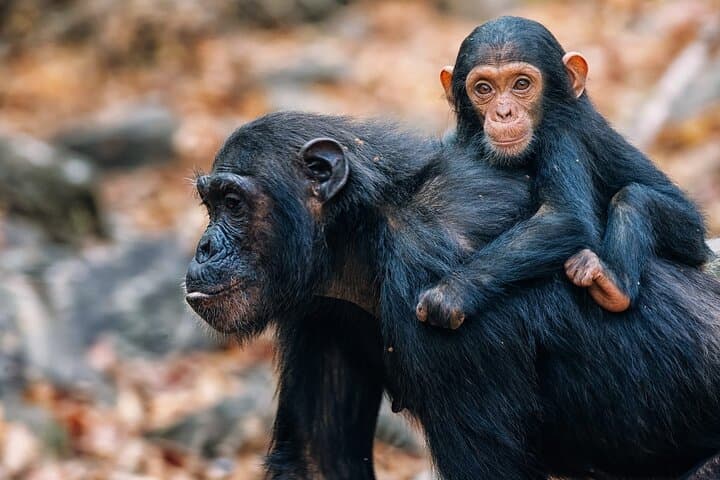
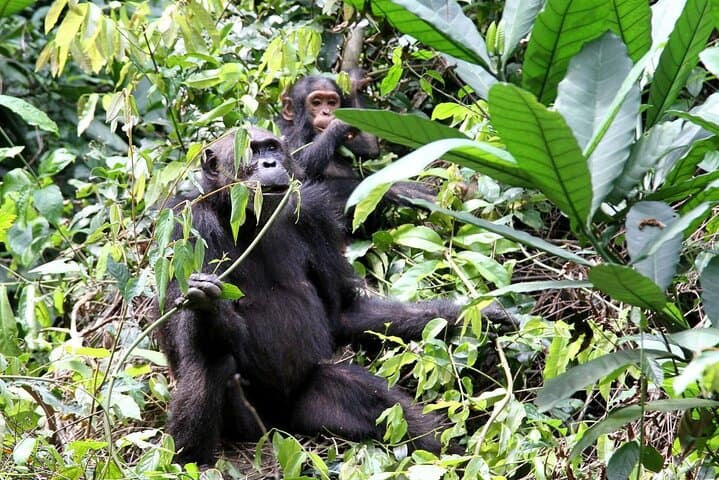
Three days of boat transfers, forest trails and chimpanzee tracking in the place Jane Goodall made famous. Expect steep, shaded paths, short climbs to viewpoints and the chance to watch wild chimpanzees in an intimate rainforest setting.
Three days of boat transfers, forest trails and chimpanzee tracking in the place Jane Goodall made famous. Expect steep, shaded paths, short climbs to viewpoints and the chance to watch wild chimpanzees in an intimate rainforest setting.
A dawn boat pushes off Kigoma’s muddy shore and the lake opens like a cold mirror; the forested slopes of Gombe rise ahead, steam lifting from the trees. By the time your skiff threads the small coves you can already hear branches answering each other — birds, monkeys and the distant chitter of chimpanzees — a raw, immediate soundscape that replaces city traffic.
Verified experiences and guided adventures in the surrounding area.
Operated by safari soles tours · Kigoma, Kigoma Region
A dawn boat pushes off Kigoma’s muddy shore and the lake opens like a cold mirror; the forested slopes of Gombe rise ahead, steam lifting from the trees. By the time your skiff threads the small coves you can already hear branches answering each other — birds, monkeys and the distant chitter of chimpanzees — a raw, immediate soundscape that replaces city traffic.
Gombe Stream National Park grew into global fame after Jane Goodall began her studies here in 1960; the park protects a narrow strip of Rift Valley rainforest on Lake Tanganyika’s western edge. Geology tilts the terrain steeply toward the water, creating short but relentless climbs, shaded gullies and waterfalls fed by seasonal rains. Local communities around Kigoma still depend on fishing and small-scale farming, and boatmen who know the inlets double as your guides to the park.
Expect guided tracking walks of roughly 3–8 km per outing, often on narrow, uneven trails with intermittent elevation gains up to ~300 m when you climb to Jane’s Peak or follow a chimpanzee troop. Trails get muddy in rains and can be slippery; swims in clear bays are possible on calm days.
Practicalities: typical itineraries fly from Dar es Salaam to Kigoma, then a ~2-hour boat transfer to Gombe; accommodation is basic park bandas. Bring sturdy waterproof boots, layered clothing, insect repellent, a small daypack and a camera with a telephoto lens. Plan for early starts, afternoons for rest or short walks, and variable weather: tracking is about patience as much as stamina — the forest decides the pace.
moderate.
3 days.
Suitable for travelers with basic fitness who can manage uneven trails and up to 4–6 hours of walking in a day
Walks vary by where chimpanzees are located — typically 3–8 km and 2–6 hours, depending on group movement and terrain.
No technical experience is required, but you should be comfortable walking on uneven, sometimes steep trails for a few hours.
Yes — itineraries include the ~2-hour boat transfer from Kigoma’s Kibirizi port to Gombe and back.
Dry months (June–September and December–February) make trails easier and tracking more predictable, though sightings occur year-round.
Gombe became internationally known after Jane Goodall began long-term chimpanzee research here in 1960; the park later formalized protections to support research and ecotourism.
Strict viewing distances and limited daily permits help reduce disease transmission and disturbance; support local conservation by following guide instructions and minimizing waste.
safari soles tours operates guided outdoor trips and adventures with an emphasis on safety, stewardship, and memorable experiences.
A dawn boat pushes off Kigoma’s muddy shore and the lake opens like a cold mirror; the forested slopes of Gombe rise ahead, steam lifting from the trees. By the time your skiff threads the small coves you can already hear branches answering each other — birds, monkeys and the distant chitter of chimpanzees — a raw, immediate soundscape that replaces city traffic.
A dawn boat pushes off Kigoma’s muddy shore and the lake opens like a cold mirror; the forested slopes of Gombe rise ahead, steam lifting from the trees. By the time your skiff threads the small coves you can already hear branches answering each other — birds, monkeys and the distant chitter of chimpanzees — a raw, immediate soundscape that replaces city traffic.
Gombe Stream National Park grew into global fame after Jane Goodall began her studies here in 1960; the park protects a narrow strip of Rift Valley rainforest on Lake Tanganyika’s western edge. Geology tilts the terrain steeply toward the water, creating short but relentless climbs, shaded gullies and waterfalls fed by seasonal rains. Local communities around Kigoma still depend on fishing and small-scale farming, and boatmen who know the inlets double as your guides to the park.
Expect guided tracking walks of roughly 3–8 km per outing, often on narrow, uneven trails with intermittent elevation gains up to ~300 m when you climb to Jane’s Peak or follow a chimpanzee troop. Trails get muddy in rains and can be slippery; swims in clear bays are possible on calm days.
Practicalities: typical itineraries fly from Dar es Salaam to Kigoma, then a ~2-hour boat transfer to Gombe; accommodation is basic park bandas. Bring sturdy waterproof boots, layered clothing, insect repellent, a small daypack and a camera with a telephoto lens. Plan for early starts, afternoons for rest or short walks, and variable weather: tracking is about patience as much as stamina — the forest decides the pace.