THE ADVENTURE COLLECTIVE® · Independent discovery and booking for outdoor travel

Ride a small electric cart from the Appian Way to the cool corridors of Rome’s early-Christian catacombs. This intimate 2–3 hour tour blends off-the-beaten-track archaeology, compact walking segments and local storytelling for a close-up view of the Eternal City’s quieter histories.
Ride a small electric cart from the Appian Way to the cool corridors of Rome’s early-Christian catacombs. This intimate 2–3 hour tour blends off-the-beaten-track archaeology, compact walking segments and local storytelling for a close-up view of the Eternal City’s quieter histories.
A low hum from the cart threads through narrow cobbled lanes as you roll off the well-worn Appian Way toward an underground world. Morning light grazes travertine facades and olive trees; then the guide leads the group down a cool laneway and into the dim corridors of the Catacombs of St. Callixtus, where stone chambers hold the hush of late-antique Rome.
Verified experiences and guided adventures in the surrounding area.
Operated by Tours of Rome · Rome, Lazio
A low hum from the cart threads through narrow cobbled lanes as you roll off the well-worn Appian Way toward an underground world. Morning light grazes travertine facades and olive trees; then the guide leads the group down a cool laneway and into the dim corridors of the Catacombs of St. Callixtus, where stone chambers hold the hush of late-antique Rome.
These subterranean galleries date to the 2nd–4th centuries AD, used as burial spaces for early Christians, martyrs and several popes. Geology here is soft tufa — Roman builders carved tunnels into volcanic ash that now shelter frescoes, loculi and narrow staircases. Above ground, the route passes vestiges of imperial spectacle: the flattened sweep of the Circus Maximus, the classical columns of the Forum Boarium, and piazzas framed by Renaissance façades. Local guides weave ecclesiastical history, burial rites and the city’s urban evolution into the ride, giving context to each stop.
Practically, expect 2–3 hours on a small electric cart with groups capped at six; the catacombs portion lasts roughly 40–50 minutes and requires negotiating steps and low passages. Wear closed-toe shoes, bring a light layer for the cool interior, and carry ID for entrance tickets. Photography may be limited underground; listen to the guide’s directions and keep voices low to preserve the site.
Plan morning departures to avoid heat and crowds, and allow time afterwards to walk a short section of the Appian Way or linger in a nearby piazza for espresso. This tour balances accessible mobility with intimate history — an efficient way to step beneath Rome’s surface without losing the rhythm of the city above.
moderate.
2–3 hours.
Basic mobility and the ability to climb several flights of narrow stairs; comfortable walking at a moderate pace.
The full tour runs about 2–3 hours; the catacombs portion typically lasts 40–50 minutes, with time for surface stops at several landmarks.
The tour is not recommended for very young children or people with serious mobility limitations due to narrow passages and stairs in the catacombs.
Yes—admission to the primary catacombs listed is included; guides may substitute a different catacomb if one is unexpectedly closed.
The itinerary includes surface views of nearby landmarks and short stops; if you want extended visits to places like the Pantheon or Piazza Navona, plan extra time before or after the tour.
The Catacombs of St. Callixtus grew around Roman-era burial traditions and became a focal point for early Christian community memory and martyr cults.
The catacombs are fragile; strict visitor rules help protect frescoes and burial niches while the city manages humidity and visitor numbers to slow decay.
Tours of Rome operates guided outdoor trips and adventures with an emphasis on safety, stewardship, and memorable experiences.
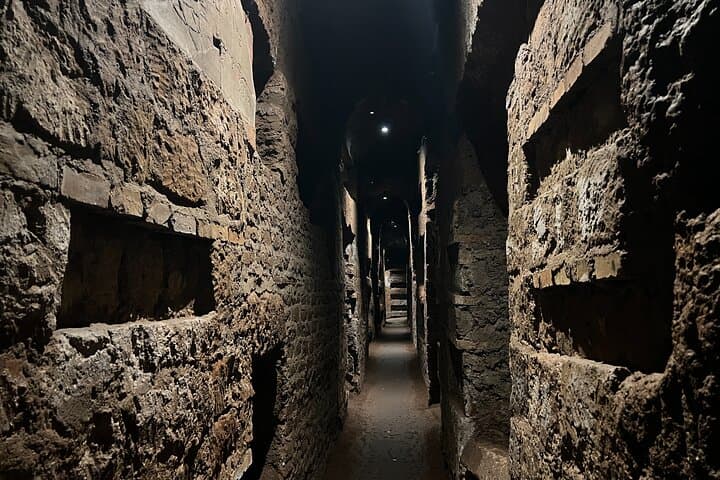
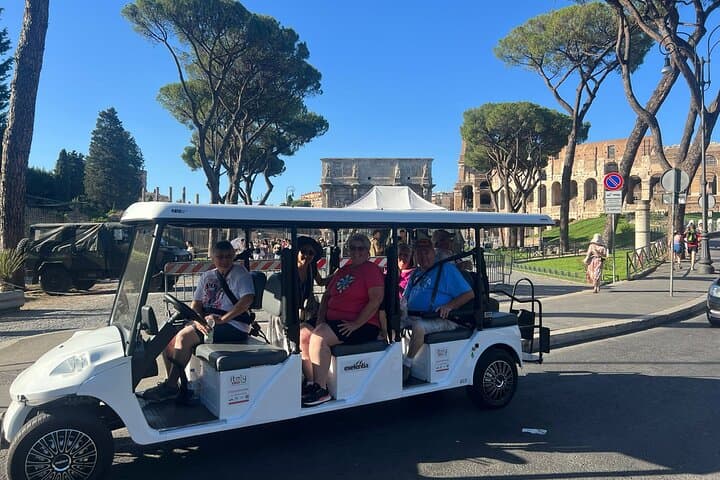
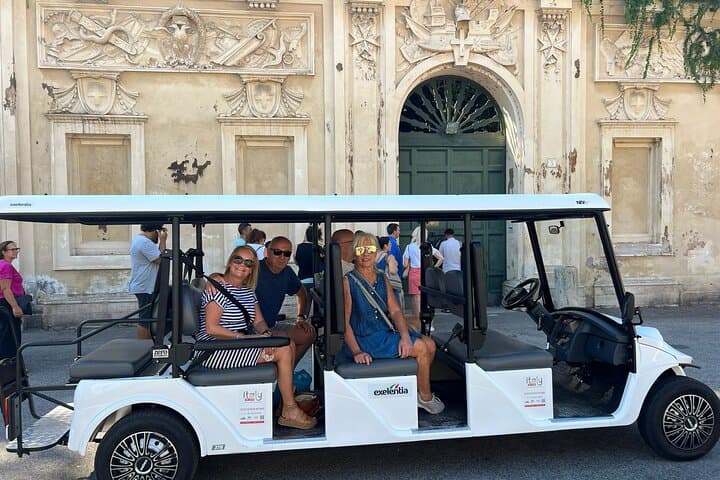
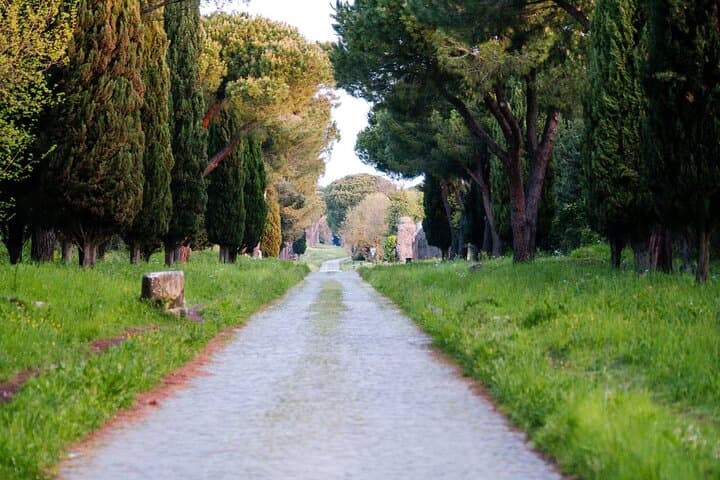
A low hum from the cart threads through narrow cobbled lanes as you roll off the well-worn Appian Way toward an underground world. Morning light grazes travertine facades and olive trees; then the guide leads the group down a cool laneway and into the dim corridors of the Catacombs of St. Callixtus, where stone chambers hold the hush of late-antique Rome.
A low hum from the cart threads through narrow cobbled lanes as you roll off the well-worn Appian Way toward an underground world. Morning light grazes travertine facades and olive trees; then the guide leads the group down a cool laneway and into the dim corridors of the Catacombs of St. Callixtus, where stone chambers hold the hush of late-antique Rome.
These subterranean galleries date to the 2nd–4th centuries AD, used as burial spaces for early Christians, martyrs and several popes. Geology here is soft tufa — Roman builders carved tunnels into volcanic ash that now shelter frescoes, loculi and narrow staircases. Above ground, the route passes vestiges of imperial spectacle: the flattened sweep of the Circus Maximus, the classical columns of the Forum Boarium, and piazzas framed by Renaissance façades. Local guides weave ecclesiastical history, burial rites and the city’s urban evolution into the ride, giving context to each stop.
Practically, expect 2–3 hours on a small electric cart with groups capped at six; the catacombs portion lasts roughly 40–50 minutes and requires negotiating steps and low passages. Wear closed-toe shoes, bring a light layer for the cool interior, and carry ID for entrance tickets. Photography may be limited underground; listen to the guide’s directions and keep voices low to preserve the site.
Plan morning departures to avoid heat and crowds, and allow time afterwards to walk a short section of the Appian Way or linger in a nearby piazza for espresso. This tour balances accessible mobility with intimate history — an efficient way to step beneath Rome’s surface without losing the rhythm of the city above.