THE ADVENTURE COLLECTIVE® · Independent discovery and booking for outdoor travel

This 11-day Golden Triangle itinerary pairs Delhi, Agra and Jaipur’s iconic monuments with a restorative stop in Rishikesh for yoga beside the Ganges. Expect early starts, long drives and a mix of Mughal architecture, Rajput palaces and riverside ritual.
This 11-day Golden Triangle itinerary pairs Delhi, Agra and Jaipur’s iconic monuments with a restorative stop in Rishikesh for yoga beside the Ganges. Expect early starts, long drives and a mix of Mughal architecture, Rajput palaces and riverside ritual.
You step from the car into the crush of Old Delhi: spice-scented air, rickshaws threading through a carnival of stalls, the Red Fort’s ramparts watching like an old ruler. Over the next eleven days the route pushes you through imperial Mughal stone, Rajput pink sandstone and the steady pull of the Ganges in Rishikesh—each place offering a different rhythm to match your stride.
Verified experiences and guided adventures in the surrounding area.
Operated by New Delhi Tourist Taxi · New Delhi, Delhi
You step from the car into the crush of Old Delhi: spice-scented air, rickshaws threading through a carnival of stalls, the Red Fort’s ramparts watching like an old ruler. Over the next eleven days the route pushes you through imperial Mughal stone, Rajput pink sandstone and the steady pull of the Ganges in Rishikesh—each place offering a different rhythm to match your stride.
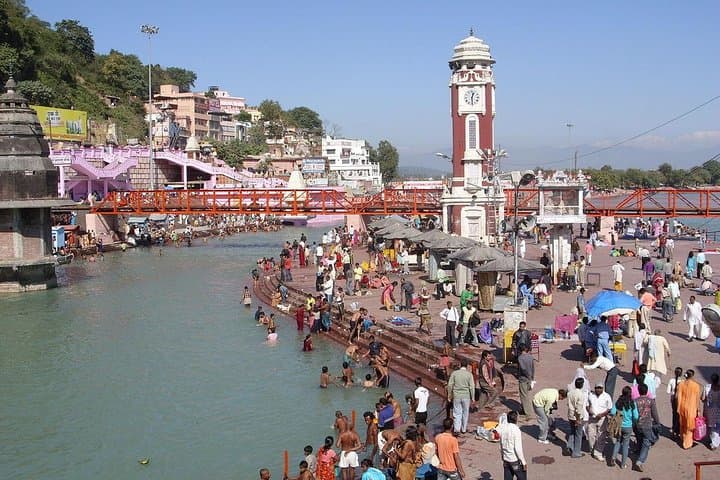
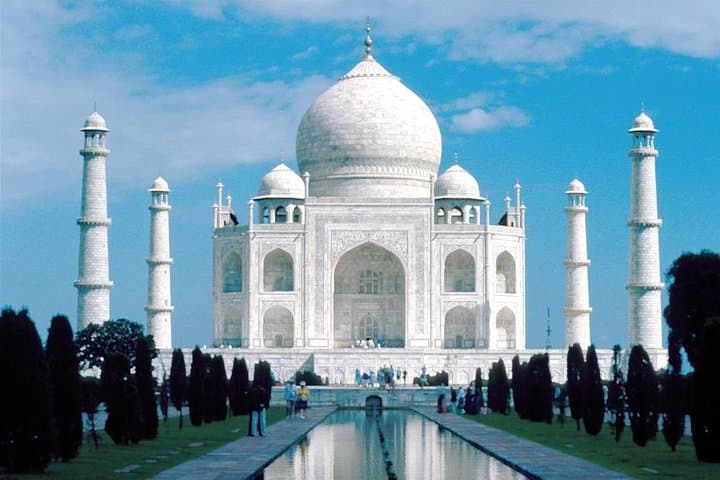
The Golden Triangle (Delhi–Agra–Jaipur) maps India’s Mughal and Rajput histories: the Taj Mahal’s white marble born of Shah Jahan’s grief, Agra Fort’s red-sandstone defenses, Jaipur’s planned streets and observatory where royal astronomy met urban life. Geology plays a quiet role—the Yamuna’s floodplain frames Agra, while Jaipur’s palaces sit on the edge of the Aravalli foothills and local sandstone colors the skyline. Rishikesh, upstream, is less about monuments and more about ritual and riverside practice; its ghats and suspension bridges have long drawn pilgrims and teachers of yoga.
Expect long drives between cities, early-morning monument visits to avoid heat and crowds, and evenings that open to bazaars and devotional chants. Dress conservatively for temples and carry local cash for small vendors; monument entrance fees are generally not included. Hydrate, use a daypack for sunscreen and documents, and plan buffer time—traffic and checkpoints make schedules fluid.
This itinerary is a cultural pulse: intense, varied and practical. With thoughtful pacing—early starts, downtime in Rishikesh for yoga and a sunset by the Taj—the tour becomes both a survey of northern India’s iconic sights and a measured way to experience them without rushing.
easy.
10–11 days.
Suitable for travelers in average fitness; days include walking at uneven monuments and short hikes in Rishikesh but no strenuous exertion.
No—entrance fees for monuments like the Taj Mahal are typically not included and should be paid locally or as specified by the operator.
The tour is easy-paced physically with some walking at historic sites and in bazaars; travelers should be able to manage stairs and uneven floors.
Yes—Rishikesh days include guided yoga and meditation sessions at local centers; the depth of instruction depends on the package and schedule.
October to March offers cooler, more comfortable weather for sightseeing; summers can be hot and humid, especially in Delhi and Agra.
The Golden Triangle stitches together Mughal-era monuments and Rajput city planning; Rishikesh has served as a pilgrimage and yoga center for centuries, attracting seekers and teachers.
High visitor numbers at the Taj and pollution in the Ganges are ongoing concerns—travelers should use refillable bottles, stay on marked paths and support local conservation-friendly services.
New Delhi Tourist Taxi operates guided outdoor trips and adventures with an emphasis on safety, stewardship, and memorable experiences.


You step from the car into the crush of Old Delhi: spice-scented air, rickshaws threading through a carnival of stalls, the Red Fort’s ramparts watching like an old ruler. Over the next eleven days the route pushes you through imperial Mughal stone, Rajput pink sandstone and the steady pull of the Ganges in Rishikesh—each place offering a different rhythm to match your stride.
You step from the car into the crush of Old Delhi: spice-scented air, rickshaws threading through a carnival of stalls, the Red Fort’s ramparts watching like an old ruler. Over the next eleven days the route pushes you through imperial Mughal stone, Rajput pink sandstone and the steady pull of the Ganges in Rishikesh—each place offering a different rhythm to match your stride.
The Golden Triangle (Delhi–Agra–Jaipur) maps India’s Mughal and Rajput histories: the Taj Mahal’s white marble born of Shah Jahan’s grief, Agra Fort’s red-sandstone defenses, Jaipur’s planned streets and observatory where royal astronomy met urban life. Geology plays a quiet role—the Yamuna’s floodplain frames Agra, while Jaipur’s palaces sit on the edge of the Aravalli foothills and local sandstone colors the skyline. Rishikesh, upstream, is less about monuments and more about ritual and riverside practice; its ghats and suspension bridges have long drawn pilgrims and teachers of yoga.
Expect long drives between cities, early-morning monument visits to avoid heat and crowds, and evenings that open to bazaars and devotional chants. Dress conservatively for temples and carry local cash for small vendors; monument entrance fees are generally not included. Hydrate, use a daypack for sunscreen and documents, and plan buffer time—traffic and checkpoints make schedules fluid.
This itinerary is a cultural pulse: intense, varied and practical. With thoughtful pacing—early starts, downtime in Rishikesh for yoga and a sunset by the Taj—the tour becomes both a survey of northern India’s iconic sights and a measured way to experience them without rushing.