THE ADVENTURE COLLECTIVE® · Independent discovery and booking for outdoor travel

Trace the arc from Delhi’s imperial streets to the Taj at first light, then follow the Ganges north into Haridwar and Rishikesh. This 8‑day private tour pairs iconic monuments with river rituals and practical travel rhythm.
Trace the arc from Delhi’s imperial streets to the Taj at first light, then follow the Ganges north into Haridwar and Rishikesh. This 8‑day private tour pairs iconic monuments with river rituals and practical travel rhythm.
Morning light slices across the Yamuna as tuk‑tuks and temple bells compete with the call to prayer—this is the rhythm that carries you from Delhi’s broad ceremonial avenues to the Taj’s marble hush and, later, to the riverbank lamps of Haridwar and Rishikesh. The route tracks three eras: Mughal ambition in Agra, Rajput splendor in Jaipur and millennia of river devotion in the Ganges’ foothills.
Verified experiences and guided adventures in the surrounding area.
Operated by Pacific India Tour · New Delhi, Delhi
Morning light slices across the Yamuna as tuk‑tuks and temple bells compete with the call to prayer—this is the rhythm that carries you from Delhi’s broad ceremonial avenues to the Taj’s marble hush and, later, to the riverbank lamps of Haridwar and Rishikesh. The route tracks three eras: Mughal ambition in Agra, Rajput splendor in Jaipur and millennia of river devotion in the Ganges’ foothills.
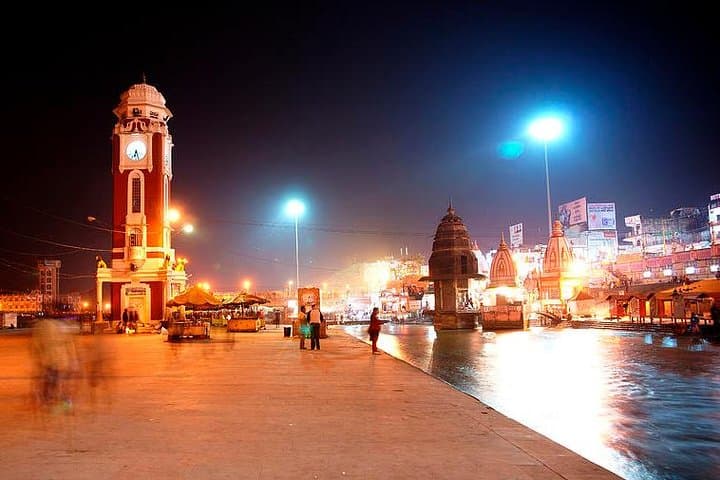
Historically the Golden Triangle grew from imperial roads and trading arteries; the Taj Mahal and Agra Fort are Mughal-era markers of that power, while Jaipur’s grid and palaces reflect 18th-century Rajput city planning. Geologically the plains are alluvial—fertile, flat, and lined by the ancient course of the Ganges; northward the land rises toward the lesser Himalaya, where Rishikesh’s rapids hint at rock uplift and seasonal melt. Culturally, expect ritual timings: sunrise at the Taj and evening aartis at Har Ki Pauri and Parmarth Niketan that are as much civic as they are devotional.
Practical edge: this is a vehicle‑led private circuit—expect 3–6 hour drives between points, early starts for cooler light and smaller crowds, and hotel stays each night. Carry comfortable walking shoes, a lightweight daypack, a reusable water bottle, and modest layers for temple visits. Hydrate through hot days, plan Taj visits at sunrise to avoid heat and queues, and keep passport copies handy for hotel check‑in. Respect photography rules at shrines, and allow extra time for traffic in and out of cities—this itinerary is about monuments and the human energy that surrounds them as much as the places themselves.
easy.
7–8 days.
Suitable for travelers in average fitness; involves walking at sites and short hikes in Rishikesh areas
Yes—international guests must present a current valid passport at hotel check‑ins and for booking details.
Breakfast is included daily; other meals vary by hotel and can be arranged independently or through your guide.
Expect multiple drives of 3–6 hours between cities (Delhi→Agra≈3 hrs, Agra→Jaipur≈4 hrs, Jaipur→Delhi≈4–5 hrs, Delhi→Haridwar≈5 hrs, Haridwar→Rishikesh≈30–60 min).
Yes—this private tour is designed for broad fitness levels, but it’s not recommended for travelers with serious spinal issues or late‑term pregnancy; inform the operator about mobility needs.
The Golden Triangle routes grew from Mughal and Rajput networks of power and pilgrimage; Haridwar and Rishikesh have been river sanctuaries for classical Hindu practice for centuries.
The Ganges faces pollution pressures; support low‑impact tourism by using refillable water bottles, following local guidance on waste, and respecting restricted areas around monuments.
Pacific India Tour operates guided outdoor trips and adventures with an emphasis on safety, stewardship, and memorable experiences.
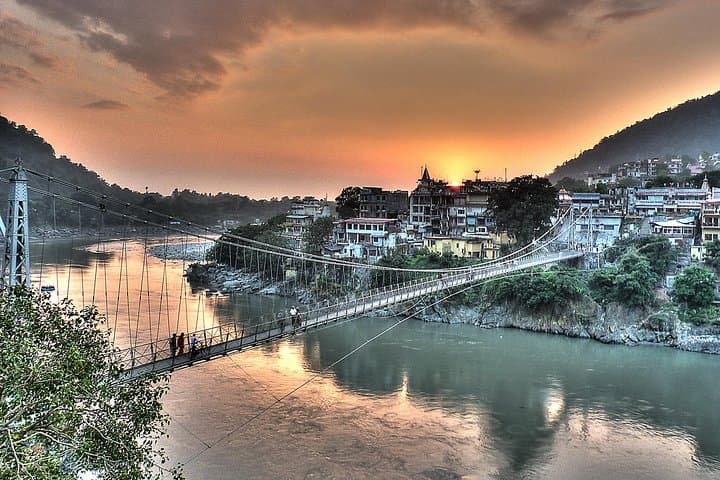


Morning light slices across the Yamuna as tuk‑tuks and temple bells compete with the call to prayer—this is the rhythm that carries you from Delhi’s broad ceremonial avenues to the Taj’s marble hush and, later, to the riverbank lamps of Haridwar and Rishikesh. The route tracks three eras: Mughal ambition in Agra, Rajput splendor in Jaipur and millennia of river devotion in the Ganges’ foothills.
Morning light slices across the Yamuna as tuk‑tuks and temple bells compete with the call to prayer—this is the rhythm that carries you from Delhi’s broad ceremonial avenues to the Taj’s marble hush and, later, to the riverbank lamps of Haridwar and Rishikesh. The route tracks three eras: Mughal ambition in Agra, Rajput splendor in Jaipur and millennia of river devotion in the Ganges’ foothills.
Historically the Golden Triangle grew from imperial roads and trading arteries; the Taj Mahal and Agra Fort are Mughal-era markers of that power, while Jaipur’s grid and palaces reflect 18th-century Rajput city planning. Geologically the plains are alluvial—fertile, flat, and lined by the ancient course of the Ganges; northward the land rises toward the lesser Himalaya, where Rishikesh’s rapids hint at rock uplift and seasonal melt. Culturally, expect ritual timings: sunrise at the Taj and evening aartis at Har Ki Pauri and Parmarth Niketan that are as much civic as they are devotional.
Practical edge: this is a vehicle‑led private circuit—expect 3–6 hour drives between points, early starts for cooler light and smaller crowds, and hotel stays each night. Carry comfortable walking shoes, a lightweight daypack, a reusable water bottle, and modest layers for temple visits. Hydrate through hot days, plan Taj visits at sunrise to avoid heat and queues, and keep passport copies handy for hotel check‑in. Respect photography rules at shrines, and allow extra time for traffic in and out of cities—this itinerary is about monuments and the human energy that surrounds them as much as the places themselves.