THE ADVENTURE COLLECTIVE® · Independent discovery and booking for outdoor travel

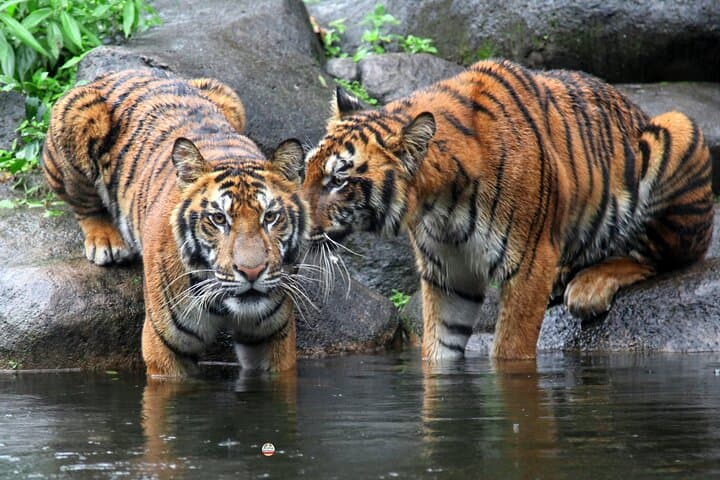
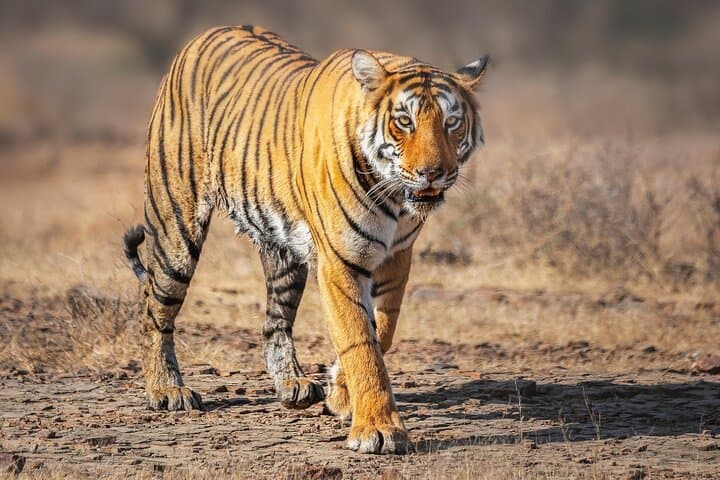
A seven-day private loop from New Delhi that pairs sunrise at the Taj Mahal with bird-rich Bharatpur and tiger-focused safaris in Ranthambore and leopard runs in Jaipur’s Jhalana. Expect long drives, early-morning wildlife runs, and a close look at Mughal and Rajput heritage.
A seven-day private loop from New Delhi that pairs sunrise at the Taj Mahal with bird-rich Bharatpur and tiger-focused safaris in Ranthambore and leopard runs in Jaipur’s Jhalana. Expect long drives, early-morning wildlife runs, and a close look at Mughal and Rajput heritage.
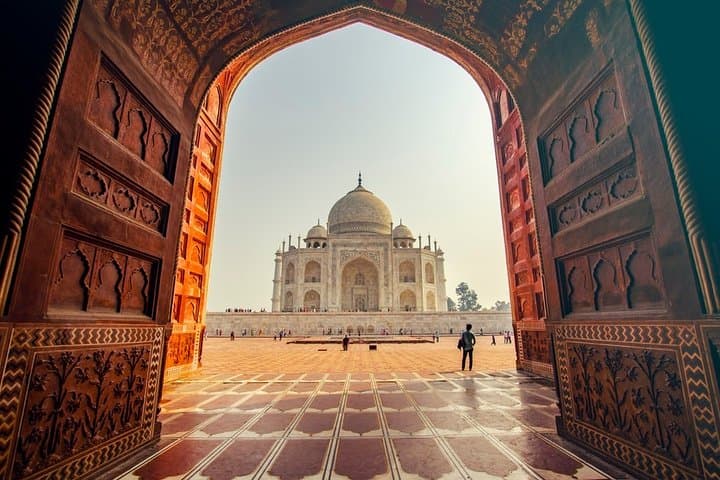
Morning mist lifts off the Yamuna as a private van threads out of New Delhi toward the white silhouette of the Taj Mahal at sunrise. Over seven days the route shifts like a film reel—mughal marble and market alleys morph into wetland reeds at Bharatpur and the sun-baked teak groves of Ranthambore where jungle tracks rattle under a safari jeep.
Verified experiences and guided adventures in the surrounding area.
Operated by Tour Guide Delhi · New Delhi, Delhi
Morning mist lifts off the Yamuna as a private van threads out of New Delhi toward the white silhouette of the Taj Mahal at sunrise. Over seven days the route shifts like a film reel—mughal marble and market alleys morph into wetland reeds at Bharatpur and the sun-baked teak groves of Ranthambore where jungle tracks rattle under a safari jeep.
This itinerary pairs India’s imperial history—Red Fort, Agra Fort, Fatehpur Sikri and Jaipur’s palaces—with two contrasting ecosystems: Keoladeo’s seasonal wetlands that attract hundreds of migratory birds, and Ranthambore’s dry deciduous forest, granite outcrops and ancient fort that give the reserve its layered terrain. Fatehpur Sikri’s abandonment is a practical note in local history: water scarcity shifted power and left a perfectly preserved Mughal city.
Expect mostly paved highway driving (Delhi→Agra ~3–4 hrs, Agra→Bharatpur ~1 hr, Bharatpur→Ranthambore ~4–5 hrs) and short walks at monuments. Safaris follow unpaved forest tracks with low elevation changes (region ~150–300 m above sea level) and variable dust. Wildlife sightings aren’t guaranteed—tigers, leopards and sloth bears move on their terms—but twice-daily game drives and an evening leopard run at Jhalana increase odds.
Practical guidance: book early for Taj sunrise slots and Ranthambore permit windows; carry water, sun protection and layered clothing for cool mornings and hot afternoons; bring binoculars and a telephoto lens for birding and big-cat photography. Pace your days—early game drives, midday rest—and you’ll leave having seen both India’s monuments and its wild, impatient landscape.
easy.
7 days.
Suitable for travelers in average physical condition; involves short walks at monuments and sitting in vehicles for safaris and transfers.
Yes—park entry and jeep/canter permits are required and are usually booked by the operator; book early for peak season.
The itinerary includes a sunrise visit; Taj Mahal has timed entry slots and security protocols—arrive early and carry ID required for entry.
Options range from 3–5 star hotels in each city; Ranthambore also offers wildlife lodges closer to the park for earlier access to safaris.
No—sightings depend on animal movement and season, but multiple game drives and Jhalana’s evening runs improve chances.
The route ties Mughal-era Agra and Fatehpur Sikri with Jaipur’s Rajput palaces; Fatehpur Sikri was abandoned in the 16th century largely due to water shortages.
Keoladeo and Ranthambore are protected to conserve migratory birds and tiger populations; follow park rules, avoid single-use plastics, and keep noise low during safaris.
Tour Guide Delhi operates guided outdoor trips and adventures with an emphasis on safety, stewardship, and memorable experiences.
Morning mist lifts off the Yamuna as a private van threads out of New Delhi toward the white silhouette of the Taj Mahal at sunrise. Over seven days the route shifts like a film reel—mughal marble and market alleys morph into wetland reeds at Bharatpur and the sun-baked teak groves of Ranthambore where jungle tracks rattle under a safari jeep.
Morning mist lifts off the Yamuna as a private van threads out of New Delhi toward the white silhouette of the Taj Mahal at sunrise. Over seven days the route shifts like a film reel—mughal marble and market alleys morph into wetland reeds at Bharatpur and the sun-baked teak groves of Ranthambore where jungle tracks rattle under a safari jeep.
This itinerary pairs India’s imperial history—Red Fort, Agra Fort, Fatehpur Sikri and Jaipur’s palaces—with two contrasting ecosystems: Keoladeo’s seasonal wetlands that attract hundreds of migratory birds, and Ranthambore’s dry deciduous forest, granite outcrops and ancient fort that give the reserve its layered terrain. Fatehpur Sikri’s abandonment is a practical note in local history: water scarcity shifted power and left a perfectly preserved Mughal city.
Expect mostly paved highway driving (Delhi→Agra ~3–4 hrs, Agra→Bharatpur ~1 hr, Bharatpur→Ranthambore ~4–5 hrs) and short walks at monuments. Safaris follow unpaved forest tracks with low elevation changes (region ~150–300 m above sea level) and variable dust. Wildlife sightings aren’t guaranteed—tigers, leopards and sloth bears move on their terms—but twice-daily game drives and an evening leopard run at Jhalana increase odds.
Practical guidance: book early for Taj sunrise slots and Ranthambore permit windows; carry water, sun protection and layered clothing for cool mornings and hot afternoons; bring binoculars and a telephoto lens for birding and big-cat photography. Pace your days—early game drives, midday rest—and you’ll leave having seen both India’s monuments and its wild, impatient landscape.