THE ADVENTURE COLLECTIVE® · Independent discovery and booking for outdoor travel

A compact, private six-day route through Delhi, Jaipur, Agra and Varanasi that pairs Mughal architecture with riverfront ritual. Early starts, guided walks, an overnight train and a dawn boat on the Ganges are the core experiences.
A compact, private six-day route through Delhi, Jaipur, Agra and Varanasi that pairs Mughal architecture with riverfront ritual. Early starts, guided walks, an overnight train and a dawn boat on the Ganges are the core experiences.
You step from Delhi’s air-conditioned car into a city that moves as if it were a living map—bustling avenues, colonial boulevards, and the distant silhouette of Qutub Minar. Over six days the landscape shifts from sandstone forts and pink-hued palaces in Jaipur to the marble glow of the Taj at dawn, then to the rising smoke and boat-lined ghats of Varanasi where the Ganges dares you to watch a city pray.
Verified experiences and guided adventures in the surrounding area.
Operated by Agra Trip · New Delhi, Delhi
You step from Delhi’s air-conditioned car into a city that moves as if it were a living map—bustling avenues, colonial boulevards, and the distant silhouette of Qutub Minar. Over six days the landscape shifts from sandstone forts and pink-hued palaces in Jaipur to the marble glow of the Taj at dawn, then to the rising smoke and boat-lined ghats of Varanasi where the Ganges dares you to watch a city pray.
This itinerary threads Mughal and Rajput history with sacred Hindu and Buddhist sites: Delhi’s Humayun’s Tomb predates the Taj’s aesthetic; Fatehpur Sikri captures a brief imperial experiment in urban design; Sarnath marks where Buddha first taught. Geology is subtle but present—the alluvial plains of the Yamuna and Ganges cradle centuries of settlement, while Rajasthan’s softer sandstones were carved into palaces and stepwells.
Expect guided city walks, an early-morning boat ride on the Ganges, overnight train travel to Varanasi, and drives between cities (Delhi–Jaipur ~280 km; Jaipur–Agra ~240 km). Practicalities matter: plan early starts to avoid midday heat, carry local cash for small purchases, and follow guides in crowded sites. Dress conservatively at religious sites; comfortable walking shoes are essential on uneven fort floors and ghats. Hydrate routinely and allow extra time for traffic and security checks at major monuments.
This trip balances cultural immersion with straightforward logistics—private guides and transfers remove friction so you can focus on architecture, ritual, and the river that pushes this region’s stories forward.
easy.
6 days.
Suitable for travelers in average physical condition; involves moderate walking and standing during tours, plus one overnight train segment.
Most days include several hours of guided walking at monuments and markets; expect uneven surfaces and stairs but no technical hiking.
The itinerary uses Indian Rail services with reserved sleeper or chair options; comfort varies—bring earplugs, a light blanket and motion-sickness precautions if needed.
Most international travelers require a visa or e-visa—check Indian government rules for your nationality well before travel.
Five breakfasts are included with hotel accommodations; other meals are generally at your expense unless specified by your package.
The route stitches together Mughal-era architecture and Rajput court culture—Fatehpur Sikri was a 16th-century imperial capital while Varanasi remains one of the subcontinent’s oldest continuously inhabited cities.
High visitor volumes strain heritage sites and river ecology—use bottled water responsibly, avoid littering on ghats, and follow guide instructions to minimize impact.
Agra Trip operates guided outdoor trips and adventures with an emphasis on safety, stewardship, and memorable experiences.

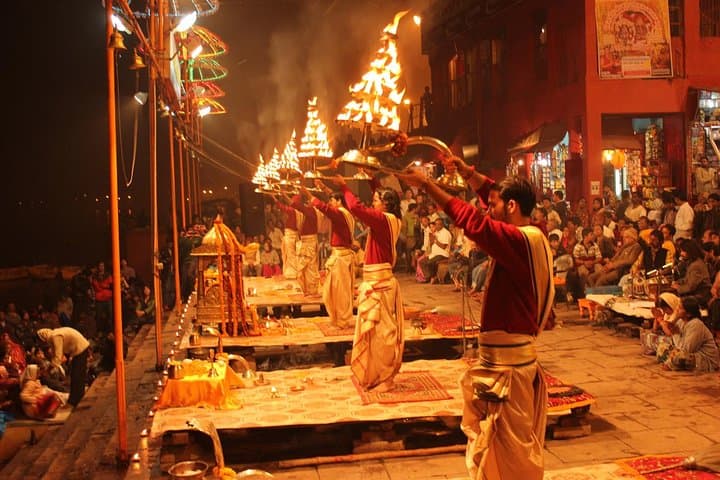
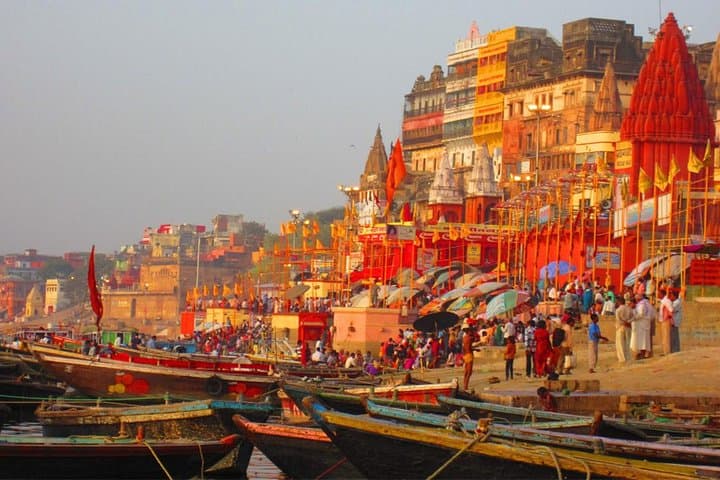
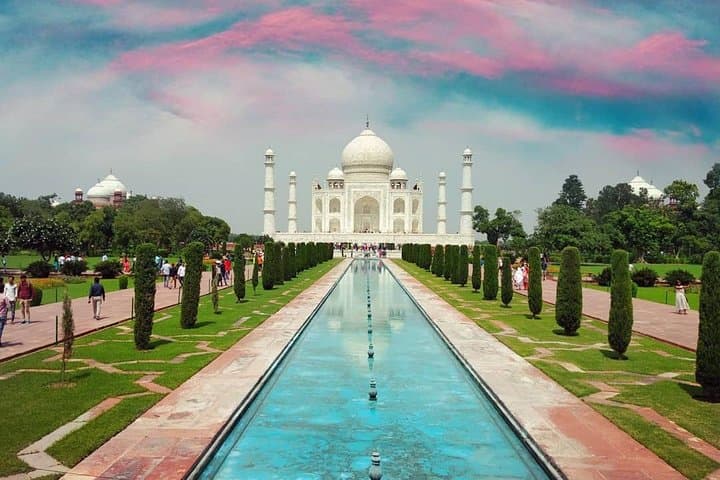
You step from Delhi’s air-conditioned car into a city that moves as if it were a living map—bustling avenues, colonial boulevards, and the distant silhouette of Qutub Minar. Over six days the landscape shifts from sandstone forts and pink-hued palaces in Jaipur to the marble glow of the Taj at dawn, then to the rising smoke and boat-lined ghats of Varanasi where the Ganges dares you to watch a city pray.
You step from Delhi’s air-conditioned car into a city that moves as if it were a living map—bustling avenues, colonial boulevards, and the distant silhouette of Qutub Minar. Over six days the landscape shifts from sandstone forts and pink-hued palaces in Jaipur to the marble glow of the Taj at dawn, then to the rising smoke and boat-lined ghats of Varanasi where the Ganges dares you to watch a city pray.
This itinerary threads Mughal and Rajput history with sacred Hindu and Buddhist sites: Delhi’s Humayun’s Tomb predates the Taj’s aesthetic; Fatehpur Sikri captures a brief imperial experiment in urban design; Sarnath marks where Buddha first taught. Geology is subtle but present—the alluvial plains of the Yamuna and Ganges cradle centuries of settlement, while Rajasthan’s softer sandstones were carved into palaces and stepwells.
Expect guided city walks, an early-morning boat ride on the Ganges, overnight train travel to Varanasi, and drives between cities (Delhi–Jaipur ~280 km; Jaipur–Agra ~240 km). Practicalities matter: plan early starts to avoid midday heat, carry local cash for small purchases, and follow guides in crowded sites. Dress conservatively at religious sites; comfortable walking shoes are essential on uneven fort floors and ghats. Hydrate routinely and allow extra time for traffic and security checks at major monuments.
This trip balances cultural immersion with straightforward logistics—private guides and transfers remove friction so you can focus on architecture, ritual, and the river that pushes this region’s stories forward.