THE ADVENTURE COLLECTIVE® · Independent discovery and booking for outdoor travel

A compact 6-night, 7-day loop from Delhi through Agra, Jaipur and Pushkar that blends Mughal monuments, Rajput palaces and the spectacle of Pushkar’s fairs. Ideal for travelers seeking cultural depth without heavy trekking.
A compact 6-night, 7-day loop from Delhi through Agra, Jaipur and Pushkar that blends Mughal monuments, Rajput palaces and the spectacle of Pushkar’s fairs. Ideal for travelers seeking cultural depth without heavy trekking.
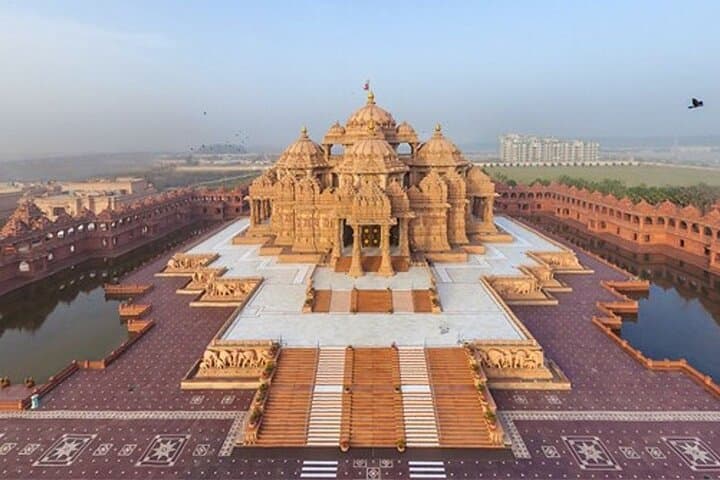
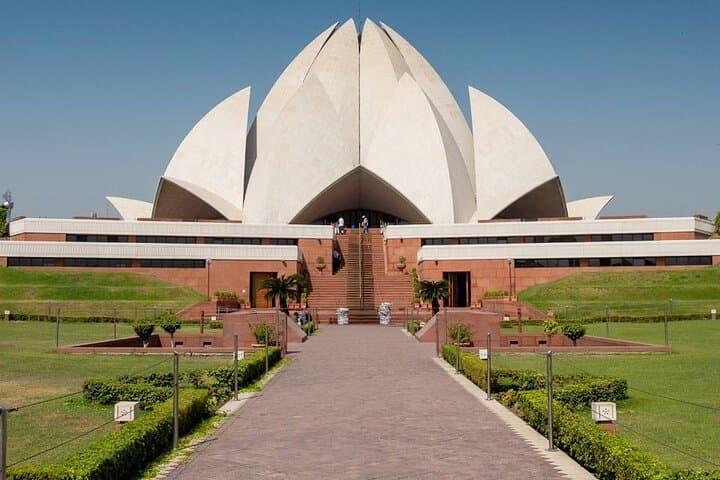
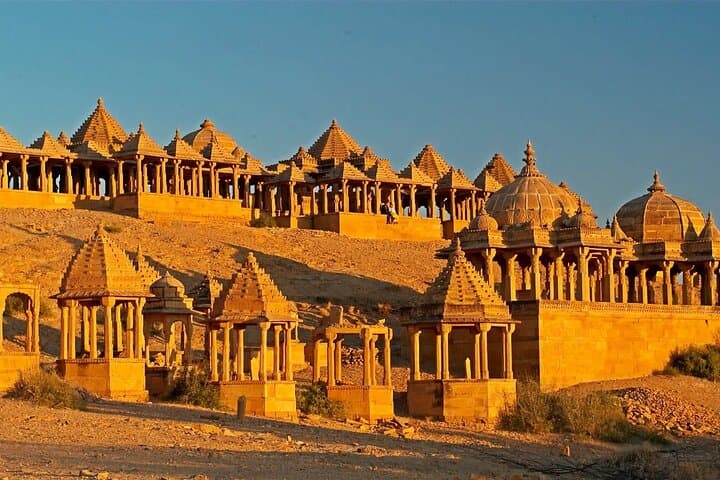
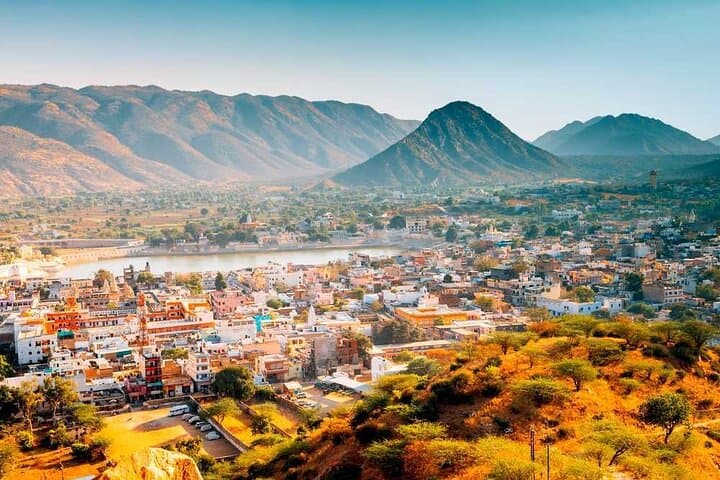
You arrive into Delhi and the city immediately gets to work on you: traffic hums, spice scents climb from street stalls, and sandstone monuments anchor the skyline as if holding history in place. Over seven days the road pulls you out of the capital’s layered chaos into the quiet sunrise at the Taj, the pink façades of Jaipur and the dusty, festive edges of Pushkar — where camels, pilgrims and artisans converge.
Verified experiences and guided adventures in the surrounding area.
Operated by All India Travel Agency · New Delhi, Delhi
You arrive into Delhi and the city immediately gets to work on you: traffic hums, spice scents climb from street stalls, and sandstone monuments anchor the skyline as if holding history in place. Over seven days the road pulls you out of the capital’s layered chaos into the quiet sunrise at the Taj, the pink façades of Jaipur and the dusty, festive edges of Pushkar — where camels, pilgrims and artisans converge.
The route follows centuries of trade and empire. Delhi’s Mughal monuments, Agra’s riverside fortifications and the planned observatory of Jantar Mantar tell stories of imperial ambition and scientific curiosity. Fatehpur Sikri’s ghostly courtyards mark Akbar’s short-lived capital; Jaipur’s Rajput palaces project courtly life; Pushkar’s lake and Brahma Temple are focal points for pilgrimage and the annual camel fair that animates Rajasthan’s rural economy.
Geologically the circuit crosses the Indo-Gangetic plains into the arid Ajmer district — red sandstone gives way to dry scrub and scrubby acacia, with dramatic light and long horizons that encourage early starts and late golden hours. Culturally, expect bazaars thick with textiles, block prints, brasswork and the percussion of bargaining.
Practical guidance: plan early-morning visits to major sites to avoid heat and crowds; carry copies of ID and stay hydrated — Rajasthan’s daytime temperatures can spike. Opt for breathable clothing and closed shoes for temple courtyards and dusty drives. Expect comfortable 3-star hotel stays, a mix of guided city walks and road hours between stops, and a pace that balances sightseeing with rest. This circuit is accessible and richly sensory — a clear introduction to North India’s architecture, ritual and rural life.
easy.
6–7 days.
Basic mobility for walking tours and getting in/out of vehicles; suitable for most fitness levels
Yes; the itinerary uses vehicle transfers between cities with hotel stays and can accommodate children, though long drives may be tiring for very young kids.
Expect moderate walking—paved paths and steps at forts and mausoleums; comfortable shoes and reasonable mobility are recommended.
Itinerary notes sightseeing as per schedule; confirm local admission fees which may be payable on-site if not explicitly listed in the booking inclusions.
October to March offers milder temperatures; the Pushkar camel fair typically occurs in October/November (dates vary by lunar calendar).
The circuit traces Mughal imperial sites (16th–17th centuries) and Rajput palaces; Pushkar’s lake and Brahma Temple have been a Hindu pilgrimage center for centuries.
Tourism stresses local water resources—especially Pushkar Lake—so use water sparingly, avoid littering and follow local guidance at ghats and protected monuments.
All India Travel Agency operates guided outdoor trips and adventures with an emphasis on safety, stewardship, and memorable experiences.
You arrive into Delhi and the city immediately gets to work on you: traffic hums, spice scents climb from street stalls, and sandstone monuments anchor the skyline as if holding history in place. Over seven days the road pulls you out of the capital’s layered chaos into the quiet sunrise at the Taj, the pink façades of Jaipur and the dusty, festive edges of Pushkar — where camels, pilgrims and artisans converge.
You arrive into Delhi and the city immediately gets to work on you: traffic hums, spice scents climb from street stalls, and sandstone monuments anchor the skyline as if holding history in place. Over seven days the road pulls you out of the capital’s layered chaos into the quiet sunrise at the Taj, the pink façades of Jaipur and the dusty, festive edges of Pushkar — where camels, pilgrims and artisans converge.
The route follows centuries of trade and empire. Delhi’s Mughal monuments, Agra’s riverside fortifications and the planned observatory of Jantar Mantar tell stories of imperial ambition and scientific curiosity. Fatehpur Sikri’s ghostly courtyards mark Akbar’s short-lived capital; Jaipur’s Rajput palaces project courtly life; Pushkar’s lake and Brahma Temple are focal points for pilgrimage and the annual camel fair that animates Rajasthan’s rural economy.
Geologically the circuit crosses the Indo-Gangetic plains into the arid Ajmer district — red sandstone gives way to dry scrub and scrubby acacia, with dramatic light and long horizons that encourage early starts and late golden hours. Culturally, expect bazaars thick with textiles, block prints, brasswork and the percussion of bargaining.
Practical guidance: plan early-morning visits to major sites to avoid heat and crowds; carry copies of ID and stay hydrated — Rajasthan’s daytime temperatures can spike. Opt for breathable clothing and closed shoes for temple courtyards and dusty drives. Expect comfortable 3-star hotel stays, a mix of guided city walks and road hours between stops, and a pace that balances sightseeing with rest. This circuit is accessible and richly sensory — a clear introduction to North India’s architecture, ritual and rural life.