THE ADVENTURE COLLECTIVE® · Independent discovery and booking for outdoor travel

An eight-day private circuit from Delhi through Agra and Jaipur culminating in Ranthambore’s tiger country. Expect sunrise Taj visits, Mughal and Rajput forts, and guided morning and evening safaris where granite ridges and dry forest set the stage for wildlife.
An eight-day private circuit from Delhi through Agra and Jaipur culminating in Ranthambore’s tiger country. Expect sunrise Taj visits, Mughal and Rajput forts, and guided morning and evening safaris where granite ridges and dry forest set the stage for wildlife.
Dawn in Ranthambore arrives with a dry wind and the crack of branches under a probing jeep tire — leopards slip off granite ledges, and langurs chatter from banyan trees. The same itinerary moves you from that primal scrub to the white marble hush of the Taj at sunrise, and then into Jaipur’s wide avenues and plastered pink façades.
Verified experiences and guided adventures in the surrounding area.
Operated by Creative India Holidays · Sawai Madhopur, Rajasthan
Dawn in Ranthambore arrives with a dry wind and the crack of branches under a probing jeep tire — leopards slip off granite ledges, and langurs chatter from banyan trees. The same itinerary moves you from that primal scrub to the white marble hush of the Taj at sunrise, and then into Jaipur’s wide avenues and plastered pink façades.
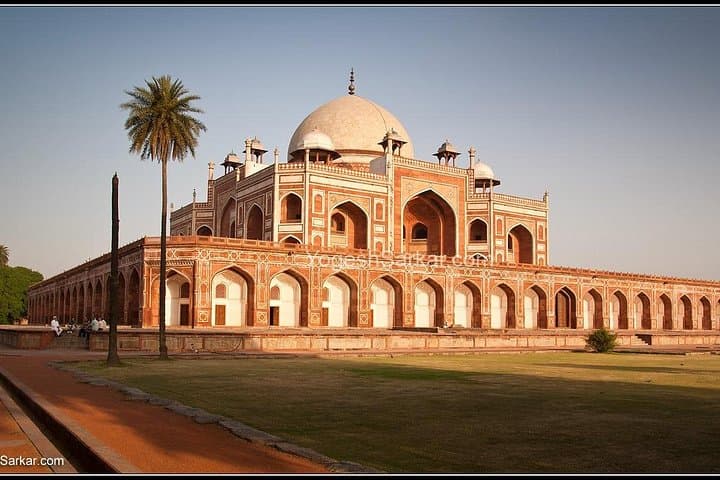
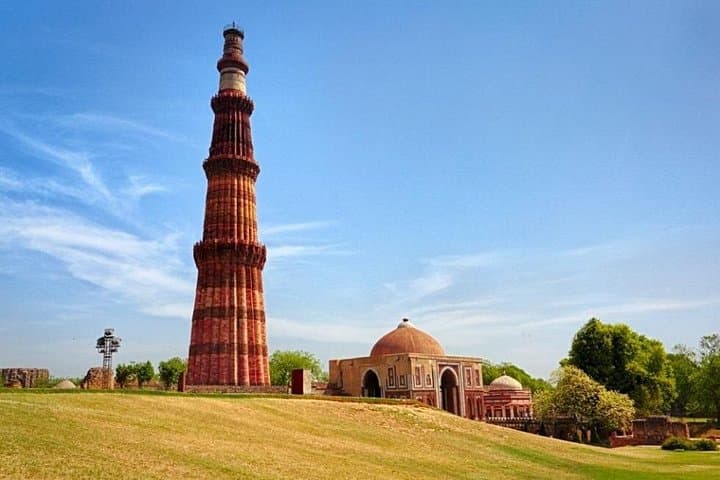
This private, multi-day loop stitches together Mughal and Rajput history: Humayun’s garden tomb and the Qutb Minar in Delhi, Akbar’s red-sandstone capital at Fatehpur Sikri, the Shah Jahan-era Taj Mahal, then Jaipur’s 18th-century planned streets and Amer Fort. Geologically, the Ranthambore precinct is defined by rocky outcrops and dry deciduous forest set against low hills where the eponymous fort perches; those rocks frame wildlife sightlines and ancient ramparts alike.
Culturally the route is about layered courts and local craft — block printing, lacquered bangles, and Rajasthani thalis — with small-town hospitality in Sawai Madhopur that supports the park’s tourism economy.
Practical guide: expect early-morning and late-afternoon jeep/canter safaris in Ranthambore, long drives by air‑conditioned private car between cities, and walking tours at monuments. Bring binoculars, sun protection, and a light layer for cool desert mornings. Carry copies of passport and permits; photography with telephoto lenses is standard but follow guide instructions around wildlife. Time travel to catch the Taj at first light and book jungle rides in advance — sightings can’t be guaranteed, but knowledgeable naturalists improve your odds. Hydrate, carry small change, and leave single-use plastic at home to reduce impact.
moderate.
8 days.
Suitable for travelers with basic fitness who can manage short walks, steps and long vehicle transfers
Ranthambore is one of India’s best tiger reserves and sightings are possible but not guaranteed; multiple safaris and an experienced naturalist increase your chances.
This private tour offers transfers and hotel nights if you choose the option that includes accommodation; confirm your package level at booking.
Carry your passport and any visa documentation; safari bookings require passenger details and park entry is regulated by reservation slots.
The itinerary is physically easy with long drives; it’s generally suitable for families and older travelers but check specific mobility needs and medical considerations.
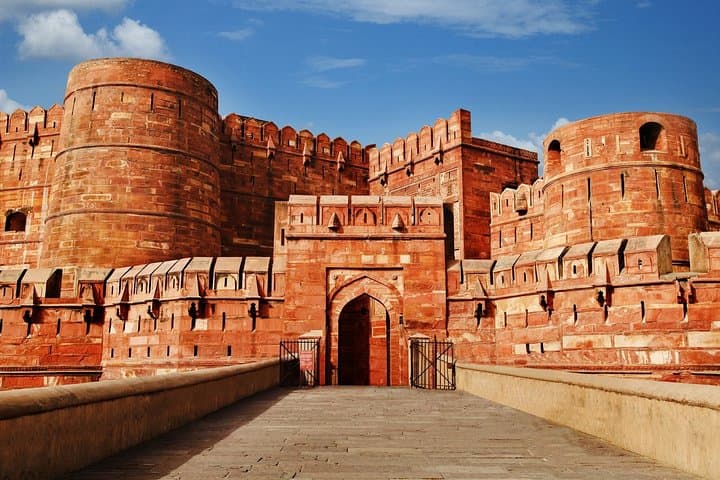
The route connects Mughal imperial projects (Taj Mahal, Agra Fort, Fatehpur Sikri) with Rajput-era Jaipur — a corridor of royal patronage spanning the 16th–18th centuries.
Ranthambore is a declared tiger reserve where regulated tourism funds anti-poaching and habitat work; visitors should follow park rules and avoid single-use plastics to reduce impact.
Creative India Holidays operates guided outdoor trips and adventures with an emphasis on safety, stewardship, and memorable experiences.

Dawn in Ranthambore arrives with a dry wind and the crack of branches under a probing jeep tire — leopards slip off granite ledges, and langurs chatter from banyan trees. The same itinerary moves you from that primal scrub to the white marble hush of the Taj at sunrise, and then into Jaipur’s wide avenues and plastered pink façades.
Dawn in Ranthambore arrives with a dry wind and the crack of branches under a probing jeep tire — leopards slip off granite ledges, and langurs chatter from banyan trees. The same itinerary moves you from that primal scrub to the white marble hush of the Taj at sunrise, and then into Jaipur’s wide avenues and plastered pink façades.
This private, multi-day loop stitches together Mughal and Rajput history: Humayun’s garden tomb and the Qutb Minar in Delhi, Akbar’s red-sandstone capital at Fatehpur Sikri, the Shah Jahan-era Taj Mahal, then Jaipur’s 18th-century planned streets and Amer Fort. Geologically, the Ranthambore precinct is defined by rocky outcrops and dry deciduous forest set against low hills where the eponymous fort perches; those rocks frame wildlife sightlines and ancient ramparts alike.
Culturally the route is about layered courts and local craft — block printing, lacquered bangles, and Rajasthani thalis — with small-town hospitality in Sawai Madhopur that supports the park’s tourism economy.
Practical guide: expect early-morning and late-afternoon jeep/canter safaris in Ranthambore, long drives by air‑conditioned private car between cities, and walking tours at monuments. Bring binoculars, sun protection, and a light layer for cool desert mornings. Carry copies of passport and permits; photography with telephoto lenses is standard but follow guide instructions around wildlife. Time travel to catch the Taj at first light and book jungle rides in advance — sightings can’t be guaranteed, but knowledgeable naturalists improve your odds. Hydrate, carry small change, and leave single-use plastic at home to reduce impact.