THE ADVENTURE COLLECTIVE® · Independent discovery and booking for outdoor travel

Ten days across northern India’s cultural heart — from Delhi’s crowded lanes to Varanasi’s river ghats. This guided private tour pairs iconic Mughal architecture with deep-rooted temple traditions and practical travel logistics.
Ten days across northern India’s cultural heart — from Delhi’s crowded lanes to Varanasi’s river ghats. This guided private tour pairs iconic Mughal architecture with deep-rooted temple traditions and practical travel logistics.
A dawn rickshaw thread through Old Delhi’s spice alleys sets the tone: dust, clatter, saffron stalls and the horn of the city’s rhythm. Over the next ten days the road unfurls—pink façades of Jaipur, the marble hush of the Taj at sunrise, the narrow lanes of Lucknow, pilgrim crowds in Ayodhya and the evening Ganga Aarti in Varanasi.
Verified experiences and guided adventures in the surrounding area.
Operated by Agora Voyages Pvt. Ltd. · New Delhi, Delhi
A dawn rickshaw thread through Old Delhi’s spice alleys sets the tone: dust, clatter, saffron stalls and the horn of the city’s rhythm. Over the next ten days the road unfurls—pink façades of Jaipur, the marble hush of the Taj at sunrise, the narrow lanes of Lucknow, pilgrim crowds in Ayodhya and the evening Ganga Aarti in Varanasi.
This route stitches together Mughal, Rajput and ancient Hindu histories. Delhi’s Humayun Tomb and Red Fort show early Mughal garden-tomb and imperial planning, Jaipur reflects 18th‑century planned urban design, Fatehpur Sikri is an intact red-sandstone court from Akbar’s era, and Varanasi and Sarnath trace spiritual life that predates recorded medieval empires.
Geologically the tour stays on the Indo-Gangetic plain—flat alluvium making for long highway drives (e.g., Jaipur–Agra ~245 km, Agra–Lucknow ~335 km, Ayodhya–Varanasi ~200 km). Expect city walking on uneven pavements, steps at forts and a short early‑morning boat row along the Ganges.
Practically: travel by private AC car/van with guided sightseeing days, hotel nights included. Plan early starts to avoid midday heat, carry a reusable water bottle, and allow time for slow photo stops. Respect temple dress codes (shoulders and knees covered), and budget for monument entrances and local guides. The experience balances energetic city exploration with quieter spiritual moments by the river—best approached with flexible pacing, comfortable footwear, and an appetite for close-up cultural encounters.
easy.
10 days.
Suitable for travelers of average fitness able to handle several hours of walking and short stair sections; minimal strenuous activity.
October to March offers mild temperatures and clearer skies; summers (April–June) are hot and monsoon (July–September) brings intermittent rains and humidity.
The itinerary notes that monument entrances listed are included; confirm which specific sites are covered when booking your option.
The tour is labeled physically easy, but includes walking, steps and boat access; arrange pickup points and mobility assistance in advance if needed.
Most foreign visitors need an Indian visa obtained before arrival; check current health advisories and routine vaccinations, and consult a travel clinic for recommended shots.
The route follows successive layers of north Indian history—ancient riverine settlements, Mughal imperial centers from the 16th–17th centuries, and later Rajput urban planning in Jaipur.
The Ganges faces pollution challenges and many monuments require ongoing conservation; travelers should minimize plastic waste, avoid throwing offerings into the river, and support local conservation initiatives.
Agora Voyages Pvt. Ltd. operates guided outdoor trips and adventures with an emphasis on safety, stewardship, and memorable experiences.
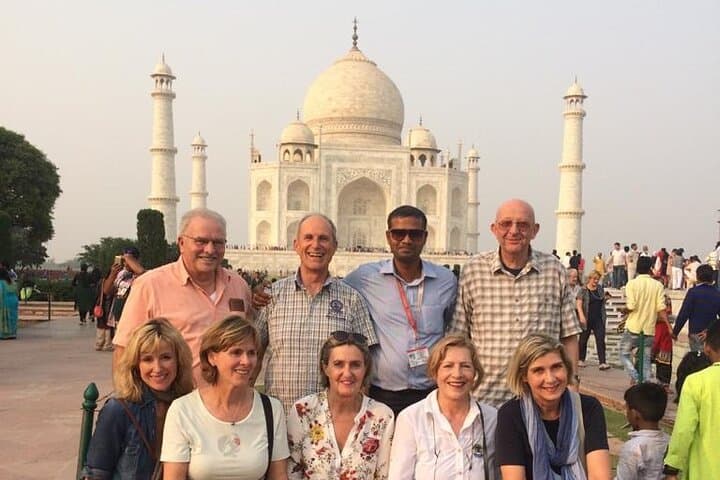
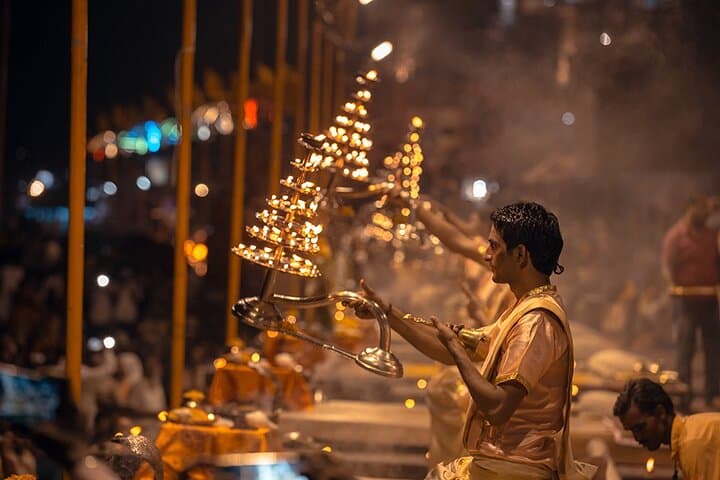
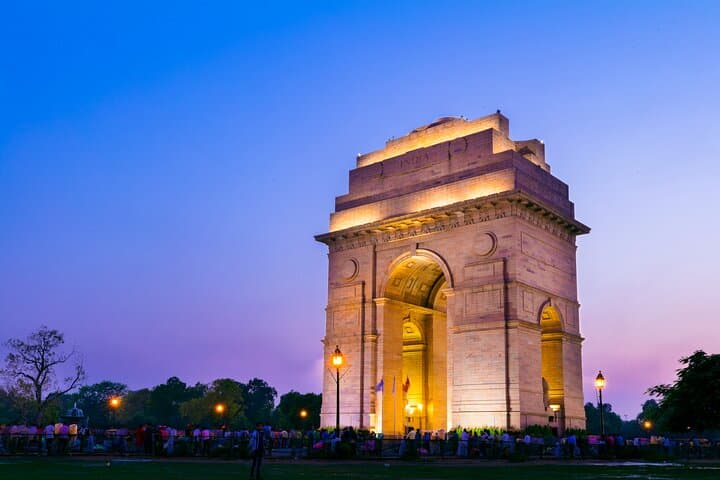
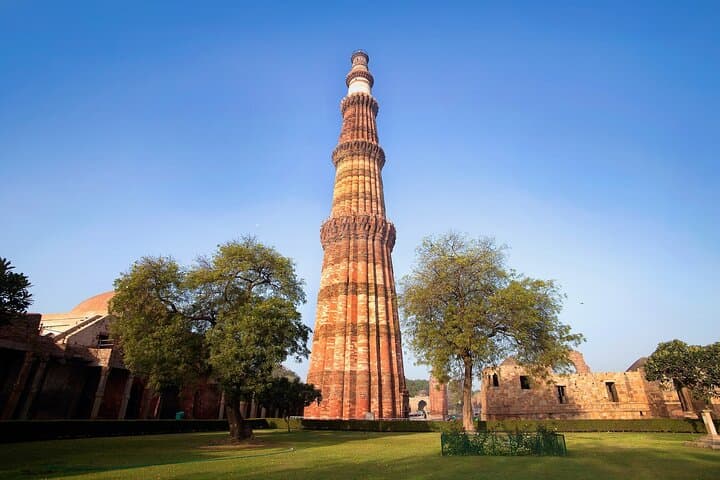
A dawn rickshaw thread through Old Delhi’s spice alleys sets the tone: dust, clatter, saffron stalls and the horn of the city’s rhythm. Over the next ten days the road unfurls—pink façades of Jaipur, the marble hush of the Taj at sunrise, the narrow lanes of Lucknow, pilgrim crowds in Ayodhya and the evening Ganga Aarti in Varanasi.
A dawn rickshaw thread through Old Delhi’s spice alleys sets the tone: dust, clatter, saffron stalls and the horn of the city’s rhythm. Over the next ten days the road unfurls—pink façades of Jaipur, the marble hush of the Taj at sunrise, the narrow lanes of Lucknow, pilgrim crowds in Ayodhya and the evening Ganga Aarti in Varanasi.
This route stitches together Mughal, Rajput and ancient Hindu histories. Delhi’s Humayun Tomb and Red Fort show early Mughal garden-tomb and imperial planning, Jaipur reflects 18th‑century planned urban design, Fatehpur Sikri is an intact red-sandstone court from Akbar’s era, and Varanasi and Sarnath trace spiritual life that predates recorded medieval empires.
Geologically the tour stays on the Indo-Gangetic plain—flat alluvium making for long highway drives (e.g., Jaipur–Agra ~245 km, Agra–Lucknow ~335 km, Ayodhya–Varanasi ~200 km). Expect city walking on uneven pavements, steps at forts and a short early‑morning boat row along the Ganges.
Practically: travel by private AC car/van with guided sightseeing days, hotel nights included. Plan early starts to avoid midday heat, carry a reusable water bottle, and allow time for slow photo stops. Respect temple dress codes (shoulders and knees covered), and budget for monument entrances and local guides. The experience balances energetic city exploration with quieter spiritual moments by the river—best approached with flexible pacing, comfortable footwear, and an appetite for close-up cultural encounters.