THE ADVENTURE COLLECTIVE® · Independent discovery and booking for outdoor travel

Combine Rajasthan’s palaces with a classic Ranthambore tiger safari on this seven‑day Golden Triangle route. Expect early‑morning jeeps, Mughal monuments, and concentrated wildlife viewing around seasonal waterholes—book safari slots early.
Combine Rajasthan’s palaces with a classic Ranthambore tiger safari on this seven‑day Golden Triangle route. Expect early‑morning jeeps, Mughal monuments, and concentrated wildlife viewing around seasonal waterholes—book safari slots early.
Morning light slides across dry grasses as the open-top jeep noses through Ranthambore’s scrub; the guide clicks the gate shut and the forest exhales. You feel the landscape press in—granite ridges of the Aravalli to one side, salt pans and seasonal lakes catching sky—while the possibility of a Bengal tiger movement sharpens every rustle.
Verified experiences and guided adventures in the surrounding area.
Operated by Agora Voyages Pvt. Ltd. · Sawai Madhopur, Rajasthan
Morning light slides across dry grasses as the open-top jeep noses through Ranthambore’s scrub; the guide clicks the gate shut and the forest exhales. You feel the landscape press in—granite ridges of the Aravalli to one side, salt pans and seasonal lakes catching sky—while the possibility of a Bengal tiger movement sharpens every rustle.
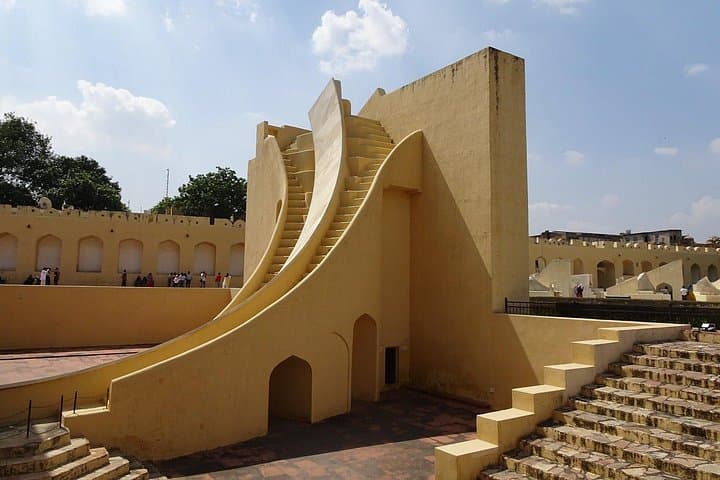
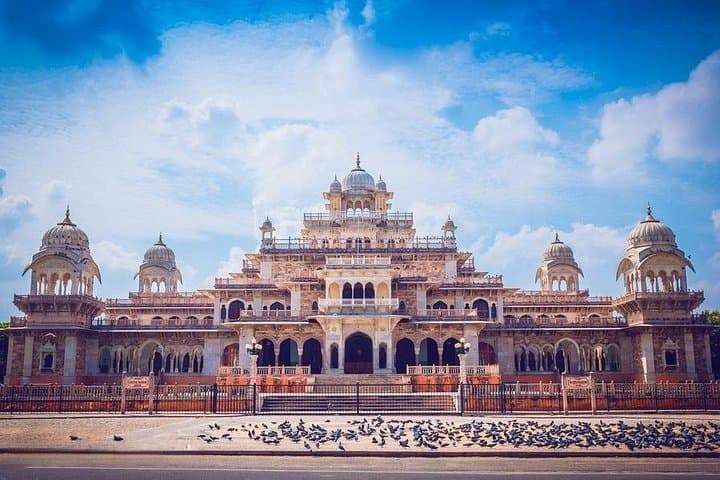
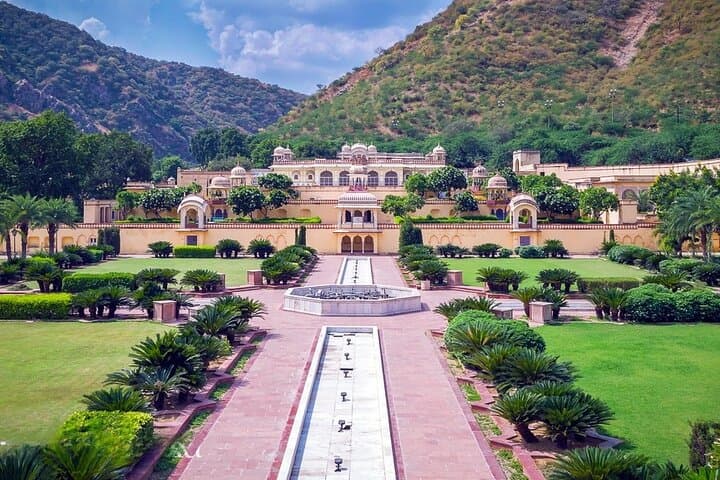
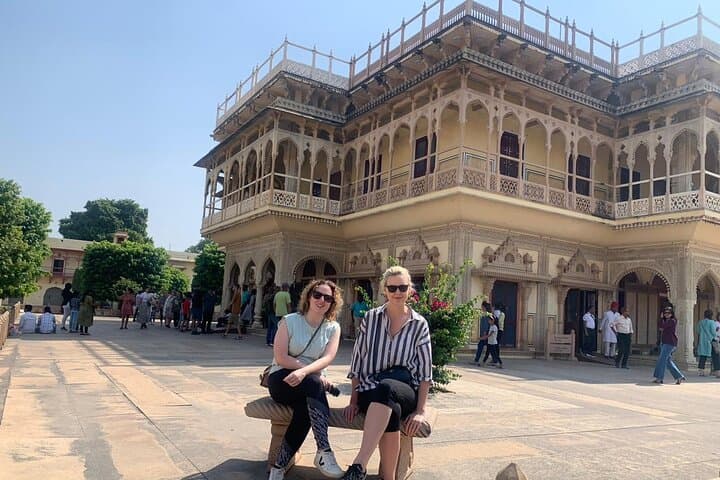
This seven-day route pairs India’s cultural capitals with real wilderness. Begin in Jaipur’s 18th–19th century palaces and Mughal-influenced observatories before a 150 km (≈3 hr) drive to Ranthambore, where a 10th-century hill fort watches over park plains. From Ranthambore you continue roughly 250 km (≈5 hr) to Agra for the Taj Mahal and then 210 km (≈4 hr) on to Delhi. Geologically, the Aravalli foothills create rocky outcrops and seasonal waterholes that concentrate wildlife; culturally, Rajasthan’s artisans and Mughal architecture shape every stop.
Practical edge: safaris run in morning and afternoon zones (typically ~3-hour drives) and operate by permit and zone allocation—book early for morning slots. Travel light during safaris, bring a telephoto lens or binoculars, and favor muted clothing to avoid startling animals. Expect bumpy jeep tracks and dusty roads; drinking water, sun protection, and a lightweight jacket for pre-dawn drives are useful. Time Taj Mahal for sunrise or sunset to avoid crowds.
This itinerary blends history with wildlife: plan logistics around safari permits, keep to designated trails, and respect park rules so the jungle keeps daring you back for another day.
moderate.
7 days.
Suitable for travelers with average fitness; requires getting on/off jeeps and managing early mornings and multi‑hour drives.
Sightings are possible but never guaranteed; peak visibility is typically October–March when animals concentrate near water, and morning safaris usually offer the best chance.
Permits and zone assignments are managed by park authorities—many commercial tours assist with booking but confirm whether permits are included before travel and expect fixed zone allocations.
Children can join; jeeps are open but have roll bars and guide oversight—keep children seated and follow ranger instructions for safety.
Most operators provide a private AC vehicle for transfers and will handle luggage; pack a small daypack for safaris and keep valuables with you.
Ranthambore’s fort dates to medieval Rajput and Mughal eras and served as a strategic hilltop stronghold; nearby Fatehpur Sikri reflects Mughal imperial planning from the 16th century.
Ranthambore is a Project Tiger landscape balancing tourism and protection; stick to roads, avoid feeding wildlife, and minimize waste to reduce park impact.
Agora Voyages Pvt. Ltd. operates guided outdoor trips and adventures with an emphasis on safety, stewardship, and memorable experiences.
Morning light slides across dry grasses as the open-top jeep noses through Ranthambore’s scrub; the guide clicks the gate shut and the forest exhales. You feel the landscape press in—granite ridges of the Aravalli to one side, salt pans and seasonal lakes catching sky—while the possibility of a Bengal tiger movement sharpens every rustle.
Morning light slides across dry grasses as the open-top jeep noses through Ranthambore’s scrub; the guide clicks the gate shut and the forest exhales. You feel the landscape press in—granite ridges of the Aravalli to one side, salt pans and seasonal lakes catching sky—while the possibility of a Bengal tiger movement sharpens every rustle.
This seven-day route pairs India’s cultural capitals with real wilderness. Begin in Jaipur’s 18th–19th century palaces and Mughal-influenced observatories before a 150 km (≈3 hr) drive to Ranthambore, where a 10th-century hill fort watches over park plains. From Ranthambore you continue roughly 250 km (≈5 hr) to Agra for the Taj Mahal and then 210 km (≈4 hr) on to Delhi. Geologically, the Aravalli foothills create rocky outcrops and seasonal waterholes that concentrate wildlife; culturally, Rajasthan’s artisans and Mughal architecture shape every stop.
Practical edge: safaris run in morning and afternoon zones (typically ~3-hour drives) and operate by permit and zone allocation—book early for morning slots. Travel light during safaris, bring a telephoto lens or binoculars, and favor muted clothing to avoid startling animals. Expect bumpy jeep tracks and dusty roads; drinking water, sun protection, and a lightweight jacket for pre-dawn drives are useful. Time Taj Mahal for sunrise or sunset to avoid crowds.
This itinerary blends history with wildlife: plan logistics around safari permits, keep to designated trails, and respect park rules so the jungle keeps daring you back for another day.