THE ADVENTURE COLLECTIVE® · Independent discovery and booking for outdoor travel

A six-day circuit from Delhi through Agra, Ranthambore and Jaipur that pairs iconic Mughal monuments with guided tiger safaris. Expect long drives, early safari starts, and a mix of cultural sightseeing and wildlife viewing.
A six-day circuit from Delhi through Agra, Ranthambore and Jaipur that pairs iconic Mughal monuments with guided tiger safaris. Expect long drives, early safari starts, and a mix of cultural sightseeing and wildlife viewing.
You step into Delhi before dawn—traffic a low, persistent hum—and slide into an air‑conditioned car that will be your moving base for the next six days. The road pushes you toward layered histories: Mughal domes at sunrise in Agra, ochre forts rising above Jaipur’s dry plains, and the scrubby, sun-baked ridges of Ranthambore where the forest seems to watch back.
Verified experiences and guided adventures in the surrounding area.
Operated by Dream India Trip · Sawai Madhopur, Rajasthan
You step into Delhi before dawn—traffic a low, persistent hum—and slide into an air‑conditioned car that will be your moving base for the next six days. The road pushes you toward layered histories: Mughal domes at sunrise in Agra, ochre forts rising above Jaipur’s dry plains, and the scrubby, sun-baked ridges of Ranthambore where the forest seems to watch back.
This itinerary strings three of northern India’s most compelling chapters. Delhi and Agra carry Mughal architecture and urban markets; Fatehpur Sikri preserves an imperial experiment frozen in red sandstone; Ranthambore sits on rocky outcrops and deciduous forest where jagged granite and sandstone shape ridgelines and waterholes—terrain that concentrates wildlife and, occasionally, Bengal tigers. Local culture alternates between crowded bazaars, street food stalls, and Rajput palaces; guides translate local stories about the forts, bazaars, and the seasons that govern tiger movement.
Practical edge: expect long drives (several 4–6 hour stretches), early‑morning safaris in Ranthambore, and hotel-to-hotel transfers by private AC vehicle. Book safari entries in advance, bring a telephoto lens and muted clothing for wildlife days, and plan Taj Mahal timing around Friday closures. Hydrate, pace photo sessions, and keep ID and printouts handy for monuments.
This route is transport-forward but richly varied—urban archaeology one day, riverine marble the next, then raw forest where a tiger’s presence is felt in the hush. Travel with realistic expectations: sightings aren’t guaranteed, but the mix of monuments, market life, and wildlife viewing makes for a layered, achievable northern India circuit.
easy.
6 days.
Suitable for travelers of average fitness—mostly vehicle travel with short walks at monuments and brief transfers to safari vehicles.
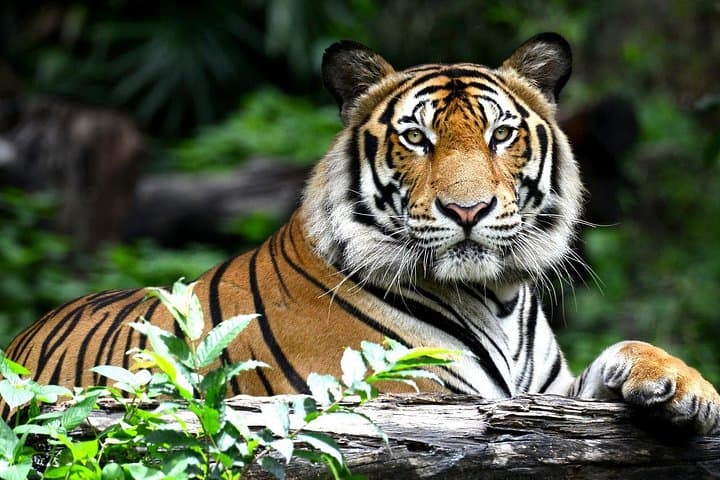
Tigers are regularly photographed in Ranthambore but sightings are never guaranteed; early-morning and late-afternoon safaris around waterholes improve chances.
This tour includes private AC vehicle transport, hotel pick up/drop off, and options for 5‑star hotel stays if selected—confirm the package level when booking.
The tour is vehicle-based and rated easy for fitness, but it’s not recommended for travelers with serious heart conditions; infants must sit on laps in vehicles.
Taj Mahal is closed on Fridays, while some Delhi sites (like Akshardham) have varying weekly closures—check the itinerary and plan accordingly.
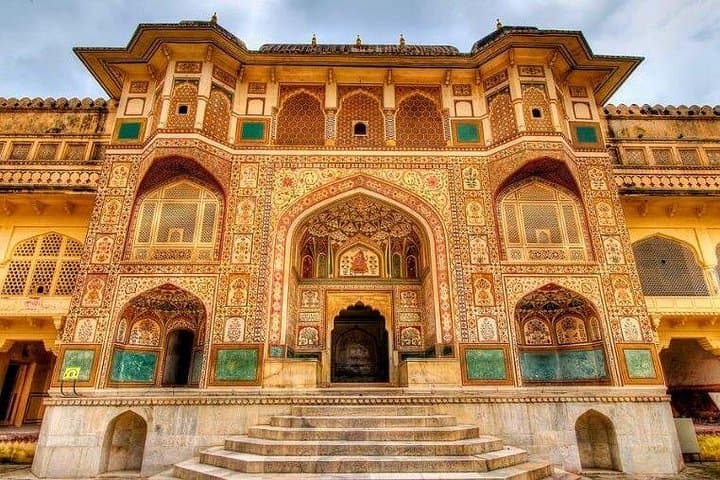
The route threads Mughal-era Agra, the 16th-century planned city of Fatehpur Sikri, and Rajput palaces in Jaipur; Ranthambore includes a historic hill fort used for centuries.
Ranthambore is part of India’s Project Tiger network; responsible tourism—staying on designated tracks, minimizing noise, and following guide rules—helps reduce disturbance to wildlife.
Dream India Trip operates guided outdoor trips and adventures with an emphasis on safety, stewardship, and memorable experiences.


You step into Delhi before dawn—traffic a low, persistent hum—and slide into an air‑conditioned car that will be your moving base for the next six days. The road pushes you toward layered histories: Mughal domes at sunrise in Agra, ochre forts rising above Jaipur’s dry plains, and the scrubby, sun-baked ridges of Ranthambore where the forest seems to watch back.
You step into Delhi before dawn—traffic a low, persistent hum—and slide into an air‑conditioned car that will be your moving base for the next six days. The road pushes you toward layered histories: Mughal domes at sunrise in Agra, ochre forts rising above Jaipur’s dry plains, and the scrubby, sun-baked ridges of Ranthambore where the forest seems to watch back.
This itinerary strings three of northern India’s most compelling chapters. Delhi and Agra carry Mughal architecture and urban markets; Fatehpur Sikri preserves an imperial experiment frozen in red sandstone; Ranthambore sits on rocky outcrops and deciduous forest where jagged granite and sandstone shape ridgelines and waterholes—terrain that concentrates wildlife and, occasionally, Bengal tigers. Local culture alternates between crowded bazaars, street food stalls, and Rajput palaces; guides translate local stories about the forts, bazaars, and the seasons that govern tiger movement.
Practical edge: expect long drives (several 4–6 hour stretches), early‑morning safaris in Ranthambore, and hotel-to-hotel transfers by private AC vehicle. Book safari entries in advance, bring a telephoto lens and muted clothing for wildlife days, and plan Taj Mahal timing around Friday closures. Hydrate, pace photo sessions, and keep ID and printouts handy for monuments.
This route is transport-forward but richly varied—urban archaeology one day, riverine marble the next, then raw forest where a tiger’s presence is felt in the hush. Travel with realistic expectations: sightings aren’t guaranteed, but the mix of monuments, market life, and wildlife viewing makes for a layered, achievable northern India circuit.