
Golden Triangle & Ranthambore Safari: 5-Day Delhi, Agra, Jaipur Tiger Tour
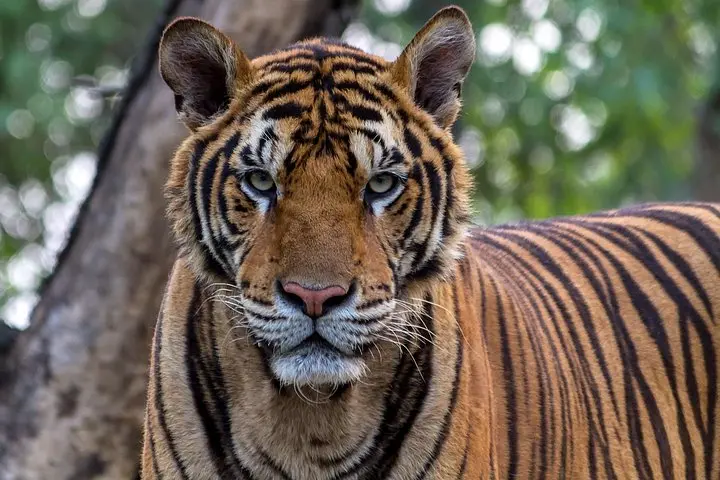
Combine India’s Golden Triangle cities with a Ranthambore tiger safari on this compact five-day circuit. Expect Mughal monuments, Rajput palaces, and an early-morning game drive into dry deciduous forest where tigers visit waterholes.
An Adventure In Jaipur.
Combine India’s Golden Triangle cities with a Ranthambore tiger safari on this compact five-day circuit. Expect Mughal monuments, Rajput palaces, and an early-morning game drive into dry deciduous forest where tigers visit waterholes.
Read the full experience
You step off the air-conditioned car into a Rajasthan dawn: dust motes hang above a scrubby plain, koel calls cut through the traffic din, and the smell of cardamom and frying spices follows you from the highway into a hotel courtyard.
You step off the air-conditioned car into a Rajasthan dawn: dust motes hang above a scrubby plain, koel calls cut through the traffic din, and the smell of cardamom and frying spices follows you from the highway into a hotel courtyard.
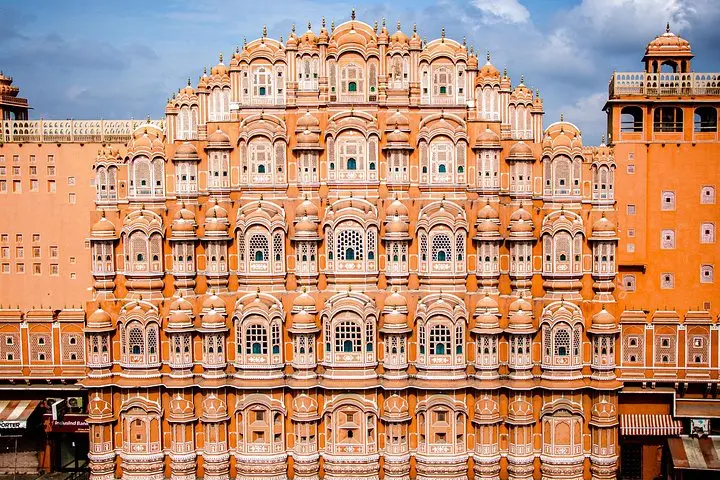
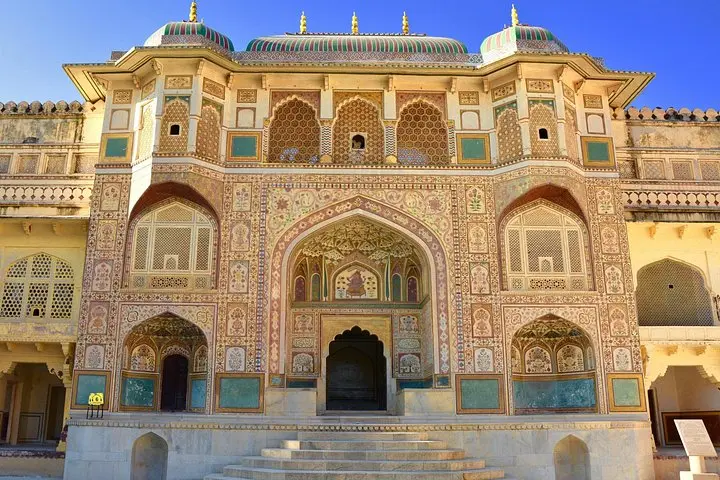
This five-day loop moves from New Delhi’s layered urban history to Agra’s Mughal landmarks, then Jaipur’s fortified palaces, with a wildlife interlude at Ranthambore National Park where granite outcrops puncture dry deciduous forest and waterholes gather wildlife at daybreak.
Historically the route threads Mughal-era Agra (home to the Taj Mahal and Agra Fort) with Jaipur’s 18th-century Rajput planning and Ranthambore’s medieval fortifications — a royal hunting ground that now anchors India’s tiger conservation story. Geologically the region is a flat Indo-Gangetic plain rising into the Aravalli foothills; Ranthambore’s rocky ridges provide vantage points and microhabitats for sambar, chital, and leopards.
Expect city walking and short museum visits (Delhi/Agra/Jaipur), plus one shared morning or afternoon game drive in Ranthambore (3–4 hours typical). Travel legs: Delhi→Agra ≈230 km (3–4 hrs), Agra→Jaipur ≈240 km (4–5 hrs), Jaipur→Sawai Madhopur/Ranthambore ≈150 km (3 hrs). Mornings are coolest and wildlife-active; the park is driest and most visible October–March.
Practical edge: carry layered clothing for cool safaris, plenty of water, a telephoto lens or 200–400mm equivalent, and photocopies of ID/visas. Respect park rules: stay on the vehicle, keep noise low, and follow your guide—sightings are never guaranteed but patience and timing increase the odds.
Frequently asked questions
Tigers are present but sightings are not guaranteed; mornings and dry months (Oct–Mar) increase chances, and experienced guides know current hotspots.
Yes—international travelers must carry valid visas and government ID; hotels and park authorities commonly request ID at check-in and entry.
Typical shared game drives run about 3–4 hours for a morning or afternoon session; exact timing depends on park schedules and vehicle type.
The tour accommodates families and is wheelchair-accessible in many urban sites, but safaris involve getting in and out of jeeps and some uneven surfaces—check specifics with the operator.
About This Experience
Folklore Journeys operates guided outdoor trips and adventures with an emphasis on safety, stewardship, and memorable experiences.
Adventure tips
Recommended gear
- Telephoto lens (200–400mm) or compact with zoom: Provides reach for wildlife photography from the vehicle without disturbing animals.
- Lightweight daypack: Carries water, ID, layers, and sunscreen for city touring and safari waits.
- Reusable water bottle with filter: Keeps you hydrated and reduces plastic waste; refill where safe water is available.
- Light jacket or fleece: Pre-dawn safaris can be chilly even if days warm quickly; layering is practical.
Photos of the experience

Related adventures & guides
Read the full experience
You step off the air-conditioned car into a Rajasthan dawn: dust motes hang above a scrubby plain, koel calls cut through the traffic din, and the smell of cardamom and frying spices follows you from the highway into a hotel courtyard.
You step off the air-conditioned car into a Rajasthan dawn: dust motes hang above a scrubby plain, koel calls cut through the traffic din, and the smell of cardamom and frying spices follows you from the highway into a hotel courtyard.
This five-day loop moves from New Delhi’s layered urban history to Agra’s Mughal landmarks, then Jaipur’s fortified palaces, with a wildlife interlude at Ranthambore National Park where granite outcrops puncture dry deciduous forest and waterholes gather wildlife at daybreak.
Historically the route threads Mughal-era Agra (home to the Taj Mahal and Agra Fort) with Jaipur’s 18th-century Rajput planning and Ranthambore’s medieval fortifications — a royal hunting ground that now anchors India’s tiger conservation story. Geologically the region is a flat Indo-Gangetic plain rising into the Aravalli foothills; Ranthambore’s rocky ridges provide vantage points and microhabitats for sambar, chital, and leopards.
Expect city walking and short museum visits (Delhi/Agra/Jaipur), plus one shared morning or afternoon game drive in Ranthambore (3–4 hours typical). Travel legs: Delhi→Agra ≈230 km (3–4 hrs), Agra→Jaipur ≈240 km (4–5 hrs), Jaipur→Sawai Madhopur/Ranthambore ≈150 km (3 hrs). Mornings are coolest and wildlife-active; the park is driest and most visible October–March.
Practical edge: carry layered clothing for cool safaris, plenty of water, a telephoto lens or 200–400mm equivalent, and photocopies of ID/visas. Respect park rules: stay on the vehicle, keep noise low, and follow your guide—sightings are never guaranteed but patience and timing increase the odds.
Make a day of it nearby.
Verified experiences and guided adventures in the surrounding area.