THE ADVENTURE COLLECTIVE® · Independent discovery and booking for outdoor travel

An eight-day private circuit from Delhi through Agra and Jaipur with two full safaris in Ranthambore. Expect sunrise Taj views, 3–4 hour game drives for tiger sightings, and guided city tours with private transport and hotel stays.
An eight-day private circuit from Delhi through Agra and Jaipur with two full safaris in Ranthambore. Expect sunrise Taj views, 3–4 hour game drives for tiger sightings, and guided city tours with private transport and hotel stays.
Dawn in Agra throws a cool, pale light across the Yamuna; the Taj Mahal reads like a white outline against the sky while traffic and chai stalls begin to stir. Over the next eight days you move from Delhi’s layered history to Agra’s Mughal mausoleums, through the scrub and rocky outcrops of Ranthambore where jeeps push into forest corridors, and finally to Jaipur’s sun-baked palaces and bazaars.
Verified experiences and guided adventures in the surrounding area.
Operated by Indian Golden Triangle Tour · New Delhi, Delhi
Dawn in Agra throws a cool, pale light across the Yamuna; the Taj Mahal reads like a white outline against the sky while traffic and chai stalls begin to stir. Over the next eight days you move from Delhi’s layered history to Agra’s Mughal mausoleums, through the scrub and rocky outcrops of Ranthambore where jeeps push into forest corridors, and finally to Jaipur’s sun-baked palaces and bazaars.
This route threads big-picture history and geology: Mughal gardens and red-sandstone forts speak to 16th–18th century imperial ambition, while the low rocky ridges around Ranthambore are the result of ancient sedimentary layers now carved into cliffs and thickets. Rajasthan’s Rajput culture is vivid in Jaipur’s city plan and markets; Delhi layers Sultanate, Mughal and colonial eras within short drives of each other.
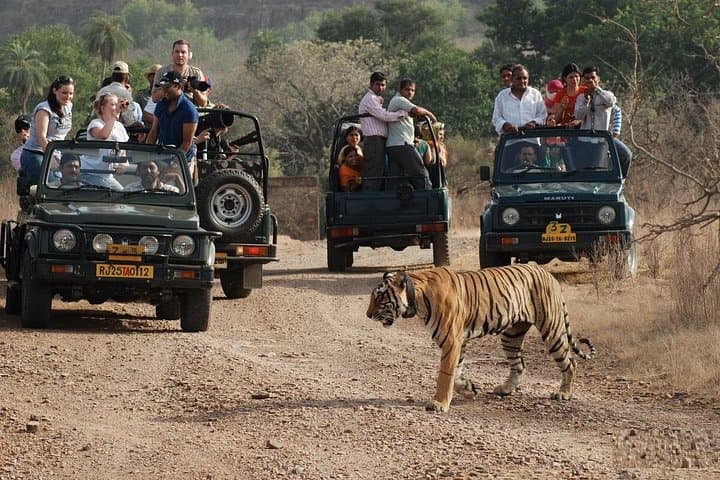
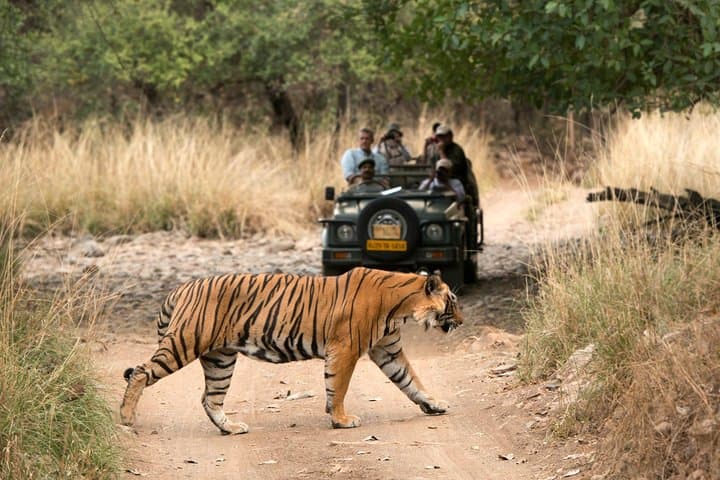
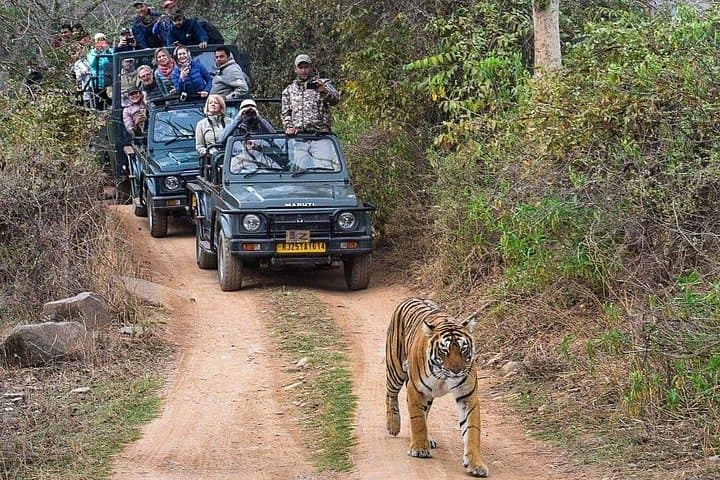
Practically, the program is travel-heavy but accessible—expect ~200 km (3–4 hours) Delhi–Agra legs, a full-day transfer to Ranthambore, and 3–4 hour morning and evening game drives inside the tiger reserve. Accommodations are standard 3–5 star hotels with private AC transport included. For wildlife viewing, early starts matter: tigers and other large mammals move most at dawn and dusk. Carry binoculars, sun protection and a small pack for water; follow park rules, stay inside the vehicle during safaris, and listen to guides.
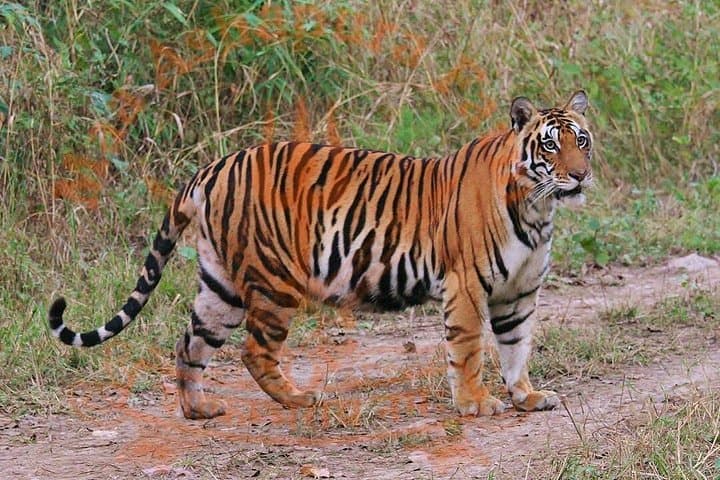
This trip balances immersive cultural touring with focused wildlife time—ideal for travelers who want structured comfort, predictable logistics, and two dedicated days to look for the Royal Bengal tiger while sampling the monuments and markets that define northern India.
moderate.
8 days.
Suitable for travelers in average fitness; you should be able to handle several short walks, climbing steps at monuments, and long vehicle transfers.
No—tiger sightings cannot be guaranteed. Ranthambore has a strong population and guided safaris maximize chances by using park knowledge and timing, but sightings depend on animal movement and luck.
Most international visitors to India need a valid visa or e-visa; check official Indian government guidance and ensure passport validity of at least six months from arrival.
Yes—most operators and hotels can handle common dietary needs if notified in advance; indicate restrictions at booking and reconfirm with your guide on arrival.
The tour is largely suitable for a range of ages, though early safari starts, long transfers and uneven surfaces at some sites may be challenging; consult the operator about specific mobility needs.
This circuit highlights Mughal-era Agra (Taj Mahal, Red Fort) and the Rajput capital of Jaipur; many monuments date to the 16th–18th centuries when imperial and princely states shaped northern India’s architecture.
Ranthambore is a designated tiger reserve under Project Tiger; visitors should follow park rules, avoid feeding or disturbing wildlife, and support local guides and lodges that follow sustainable practices.
Indian Golden Triangle Tour operates guided outdoor trips and adventures with an emphasis on safety, stewardship, and memorable experiences.
Dawn in Agra throws a cool, pale light across the Yamuna; the Taj Mahal reads like a white outline against the sky while traffic and chai stalls begin to stir. Over the next eight days you move from Delhi’s layered history to Agra’s Mughal mausoleums, through the scrub and rocky outcrops of Ranthambore where jeeps push into forest corridors, and finally to Jaipur’s sun-baked palaces and bazaars.
Dawn in Agra throws a cool, pale light across the Yamuna; the Taj Mahal reads like a white outline against the sky while traffic and chai stalls begin to stir. Over the next eight days you move from Delhi’s layered history to Agra’s Mughal mausoleums, through the scrub and rocky outcrops of Ranthambore where jeeps push into forest corridors, and finally to Jaipur’s sun-baked palaces and bazaars.
This route threads big-picture history and geology: Mughal gardens and red-sandstone forts speak to 16th–18th century imperial ambition, while the low rocky ridges around Ranthambore are the result of ancient sedimentary layers now carved into cliffs and thickets. Rajasthan’s Rajput culture is vivid in Jaipur’s city plan and markets; Delhi layers Sultanate, Mughal and colonial eras within short drives of each other.
Practically, the program is travel-heavy but accessible—expect ~200 km (3–4 hours) Delhi–Agra legs, a full-day transfer to Ranthambore, and 3–4 hour morning and evening game drives inside the tiger reserve. Accommodations are standard 3–5 star hotels with private AC transport included. For wildlife viewing, early starts matter: tigers and other large mammals move most at dawn and dusk. Carry binoculars, sun protection and a small pack for water; follow park rules, stay inside the vehicle during safaris, and listen to guides.
This trip balances immersive cultural touring with focused wildlife time—ideal for travelers who want structured comfort, predictable logistics, and two dedicated days to look for the Royal Bengal tiger while sampling the monuments and markets that define northern India.