THE ADVENTURE COLLECTIVE® · Independent discovery and booking for outdoor travel

A compact seven-day loop from New Delhi through Agra and Jaipur to Ranthambore, pairing iconic Mughal and Rajput monuments with early-morning tiger safaris. Expect long drives, early starts for wildlife windows, and a mix of city sightseeing and dry-forest adventure.
A compact seven-day loop from New Delhi through Agra and Jaipur to Ranthambore, pairing iconic Mughal and Rajput monuments with early-morning tiger safaris. Expect long drives, early starts for wildlife windows, and a mix of city sightseeing and dry-forest adventure.
You stand at first light on the marble esplanade, the Taj Mahal turning from pearly gray to warm ivory as the sun climbs. By noon the streets of Old Delhi pulse with spice and horn, and by evening the Aravalli ridges around Ranthambore settle, the dry forest exhaling heat and shadow.
Verified experiences and guided adventures in the surrounding area.
Operated by Wonderful Holidays · New Delhi, Delhi
You stand at first light on the marble esplanade, the Taj Mahal turning from pearly gray to warm ivory as the sun climbs. By noon the streets of Old Delhi pulse with spice and horn, and by evening the Aravalli ridges around Ranthambore settle, the dry forest exhaling heat and shadow.
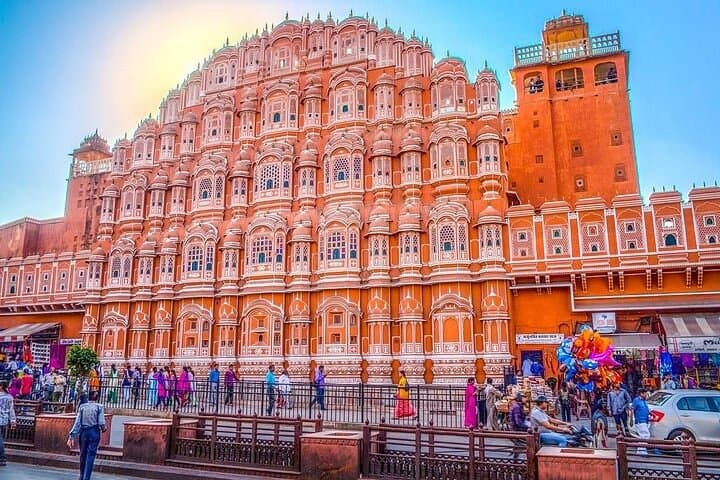
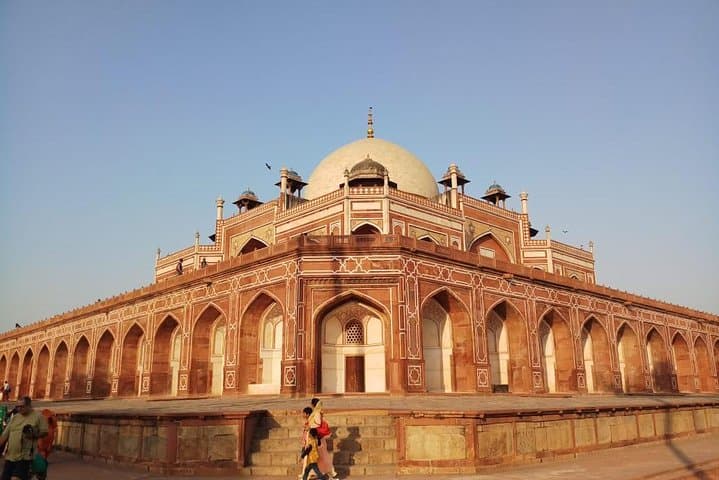
This seven-day loop stitches Mughal Delhi and Agra’s white-marble romance to Jaipur’s rose sandstone palaces and Ranthambore’s granite outcrops and tiger-haunted lakes. The monuments reflect centuries of empire: Qutub Minar and Humayun’s Tomb mark early Mughal ambition; Jaipur’s Amber Fort and city plan speak to Rajput craftsmanship and 18th-century urban design. Geologically, the Aravalli hills that frame Ranthambore are among India’s oldest ranges—weathered rock and scrub that shelter sambar, nilgai and the park’s apex predator.
Culturally the circuit blends ritual and market life: temple bells and mosque calls, craftsmen selling block-printed textiles and marble inlay work. Local guides amplify those stories—why certain gates face a river, which palace rooms were for public audiences versus private ritual.
Practical guidance: allow early starts for Agra and Ranthambore safaris (sunrise and late afternoon windows give the best wildlife chances), carry sufficient water and sunscreen, and use comfortable closed shoes for uneven fort ramps. For safaris, binoculars and a long lens improve sightings; follow park rules—stay with the vehicle and listen to your guide. Plan logistics (hotel check-in times, highway travel between cities) and expect 3–6 hour drives between stops. This itinerary gives a compact, layered view of North India—monuments by day, a tiger’s cautious presence by dawn and dusk.
moderate.
7 days.
General mobility and the ability to handle several 3–6 hour drives and short walks at heritage sites; not strenuous but requires stamina for early mornings.
Safaris typically run at sunrise and late afternoon; your tour includes morning and afternoon shared jeep/canter safaris—book both windows for the best chance to see tigers.
The itinerary includes accommodations (depending on option chosen), some breakfasts, and scheduled transfers; specific monument or park fees may be extra—confirm with the operator.
Yes—this private tour is listed as suitable for all physical fitness levels, but expect early starts and long drives; inform the operator of mobility needs for appropriate vehicle and routing.
Expect several multi-hour drives: Delhi–Agra (~3–4 hrs), Agra–Ranthambore (~6 hrs), Ranthambore–Jaipur (~3–4 hrs), Jaipur–Delhi (~5 hrs), so plan for travel time and rest stops.
The route traces Mughal imperial centers and Rajput princely capitals; Agra and Delhi were pivotal in 16th–17th century empire-building while Jaipur reflects planned urbanism from the 18th century.
Ranthambore operates strict vehicle and trainee limits during safari windows to reduce stress on wildlife; avoid plastic waste and follow park guidelines to minimize your impact.
Wonderful Holidays operates guided outdoor trips and adventures with an emphasis on safety, stewardship, and memorable experiences.


You stand at first light on the marble esplanade, the Taj Mahal turning from pearly gray to warm ivory as the sun climbs. By noon the streets of Old Delhi pulse with spice and horn, and by evening the Aravalli ridges around Ranthambore settle, the dry forest exhaling heat and shadow.
You stand at first light on the marble esplanade, the Taj Mahal turning from pearly gray to warm ivory as the sun climbs. By noon the streets of Old Delhi pulse with spice and horn, and by evening the Aravalli ridges around Ranthambore settle, the dry forest exhaling heat and shadow.
This seven-day loop stitches Mughal Delhi and Agra’s white-marble romance to Jaipur’s rose sandstone palaces and Ranthambore’s granite outcrops and tiger-haunted lakes. The monuments reflect centuries of empire: Qutub Minar and Humayun’s Tomb mark early Mughal ambition; Jaipur’s Amber Fort and city plan speak to Rajput craftsmanship and 18th-century urban design. Geologically, the Aravalli hills that frame Ranthambore are among India’s oldest ranges—weathered rock and scrub that shelter sambar, nilgai and the park’s apex predator.
Culturally the circuit blends ritual and market life: temple bells and mosque calls, craftsmen selling block-printed textiles and marble inlay work. Local guides amplify those stories—why certain gates face a river, which palace rooms were for public audiences versus private ritual.
Practical guidance: allow early starts for Agra and Ranthambore safaris (sunrise and late afternoon windows give the best wildlife chances), carry sufficient water and sunscreen, and use comfortable closed shoes for uneven fort ramps. For safaris, binoculars and a long lens improve sightings; follow park rules—stay with the vehicle and listen to your guide. Plan logistics (hotel check-in times, highway travel between cities) and expect 3–6 hour drives between stops. This itinerary gives a compact, layered view of North India—monuments by day, a tiger’s cautious presence by dawn and dusk.