THE ADVENTURE COLLECTIVE® · Independent discovery and booking for outdoor travel

A private five-day circuit linking Delhi, Agra and Jaipur with two jeep safaris in Ranthambore. Early starts, UNESCO sites and focused wildlife time make this a compact introduction to Mughal history and tiger country.
A private five-day circuit linking Delhi, Agra and Jaipur with two jeep safaris in Ranthambore. Early starts, UNESCO sites and focused wildlife time make this a compact introduction to Mughal history and tiger country.
You step out of a Delhi hotel before dawn and the city is already moving—rickshaws weaving, chai steam rising. The tour catches that momentum: a private car threads through New and Old Delhi’s Mughal monuments, deposits you at the Taj Mahal for sunrise light, then pushes west to Agra’s red-sandstone fort and Fatehpur Sikri before trading monuments for the dry scrub and granite outcrops of Ranthambore.
Verified experiences and guided adventures in the surrounding area.
Operated by Bagga India Tour · New Delhi, Delhi
You step out of a Delhi hotel before dawn and the city is already moving—rickshaws weaving, chai steam rising. The tour catches that momentum: a private car threads through New and Old Delhi’s Mughal monuments, deposits you at the Taj Mahal for sunrise light, then pushes west to Agra’s red-sandstone fort and Fatehpur Sikri before trading monuments for the dry scrub and granite outcrops of Ranthambore.
This route traces 16th–18th century Mughal and Rajput history: Humayun’s Persian-influenced tomb, Shah Jahan’s Taj and Agra Fort, and the geometric observatory at Jaipur’s Jantar Mantar. Geology switches quickly from the alluvial plain of the Yamuna to the eroded Aravalli hills that shape Ranthambore’s plateaus and seasonal waterholes—key features that concentrate wildlife and make tiger sightings possible.
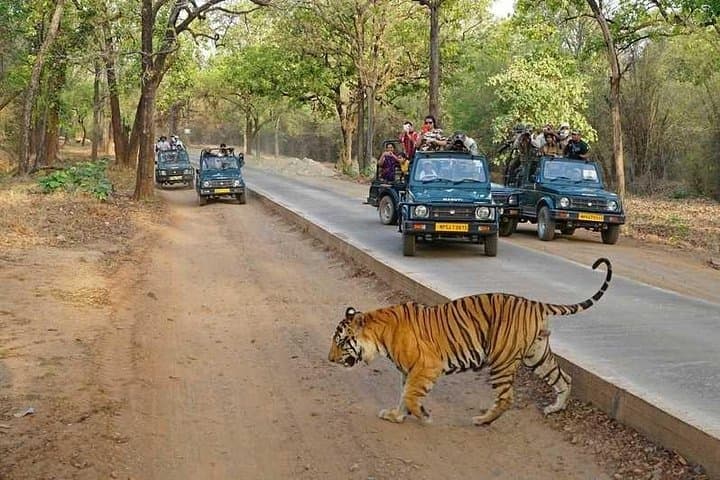
Expect early starts, air-conditioned transfers between cities, and two shared jeep safaris in Ranthambore’s zoned reserve. Guides combine monument context with natural-history notes; at Ranthambore they point out pugmarks, scrape marks and the park’s ancient fort ruins.
Practical edge: prioritize sunrise visits (Taj is busiest midday), confirm which Ranthambore zones are open for your travel dates (zones shift in monsoon), and pack layers for cool desert mornings and hot afternoons. Carry photocopies of passport/visa, comfortable walking shoes for uneven fort steps, and a camera with a moderate telephoto lens for wildlife. This itinerary balances high‑impact cultural sightseeing with two focused wildlife days—compact, driven, and rich in first-time visitor highlights.
moderate.
5 days.
Suitable for travelers in average fitness; expect several short walks, stair climbs at monuments and early-morning safaris with some standing.
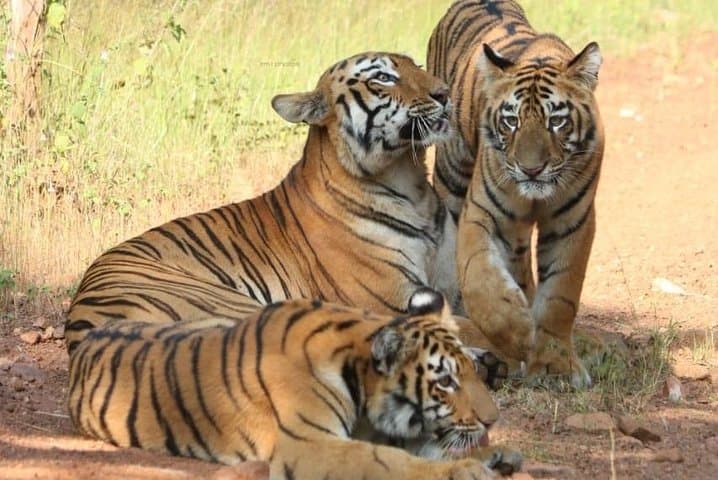
Sightings aren’t guaranteed; Ranthambore is one of the better reserves for tiger viewing, and two focused safaris improve your chances, but encounters depend on animal movement and zone allocation.
The Taj opens early for sunrise visits except on Fridays and some national holidays—check local schedules and weather that can affect visibility.
This private tour includes an air-conditioned car with driver and government-approved local city guides for monument visits; hotel nights are not included unless booked separately.
Carry passport and valid visa for India, plus hotel vouchers and any e‑tickets; keep photocopies or digital scans in case of loss.
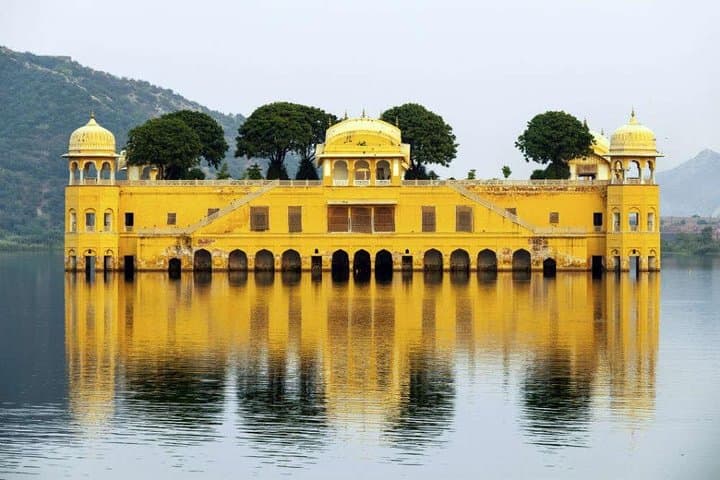
The route links Mughal imperial architecture (16th–17th century) with Jaipur’s 18th-century Rajput planning under Maharaja Jai Singh II.
Ranthambore is a focal point of India’s tiger recovery efforts—visitors should follow park rules, minimize noise, and avoid litter to reduce disturbance.
Bagga India Tour operates guided outdoor trips and adventures with an emphasis on safety, stewardship, and memorable experiences.
You step out of a Delhi hotel before dawn and the city is already moving—rickshaws weaving, chai steam rising. The tour catches that momentum: a private car threads through New and Old Delhi’s Mughal monuments, deposits you at the Taj Mahal for sunrise light, then pushes west to Agra’s red-sandstone fort and Fatehpur Sikri before trading monuments for the dry scrub and granite outcrops of Ranthambore.
You step out of a Delhi hotel before dawn and the city is already moving—rickshaws weaving, chai steam rising. The tour catches that momentum: a private car threads through New and Old Delhi’s Mughal monuments, deposits you at the Taj Mahal for sunrise light, then pushes west to Agra’s red-sandstone fort and Fatehpur Sikri before trading monuments for the dry scrub and granite outcrops of Ranthambore.
This route traces 16th–18th century Mughal and Rajput history: Humayun’s Persian-influenced tomb, Shah Jahan’s Taj and Agra Fort, and the geometric observatory at Jaipur’s Jantar Mantar. Geology switches quickly from the alluvial plain of the Yamuna to the eroded Aravalli hills that shape Ranthambore’s plateaus and seasonal waterholes—key features that concentrate wildlife and make tiger sightings possible.
Expect early starts, air-conditioned transfers between cities, and two shared jeep safaris in Ranthambore’s zoned reserve. Guides combine monument context with natural-history notes; at Ranthambore they point out pugmarks, scrape marks and the park’s ancient fort ruins.
Practical edge: prioritize sunrise visits (Taj is busiest midday), confirm which Ranthambore zones are open for your travel dates (zones shift in monsoon), and pack layers for cool desert mornings and hot afternoons. Carry photocopies of passport/visa, comfortable walking shoes for uneven fort steps, and a camera with a moderate telephoto lens for wildlife. This itinerary balances high‑impact cultural sightseeing with two focused wildlife days—compact, driven, and rich in first-time visitor highlights.