THE ADVENTURE COLLECTIVE® · Independent discovery and booking for outdoor travel

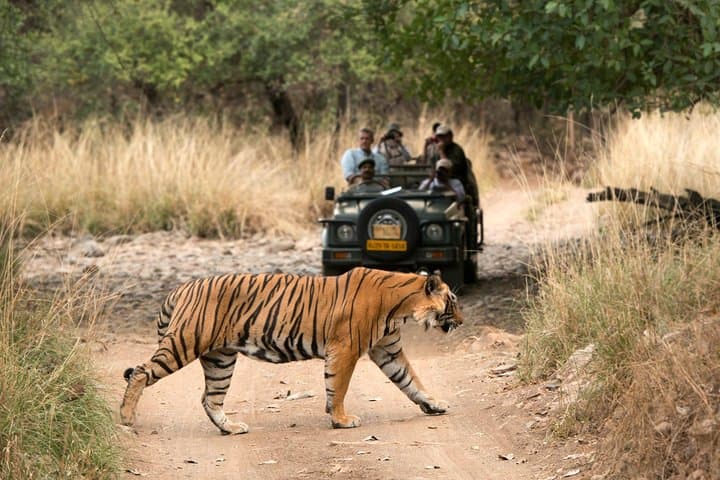
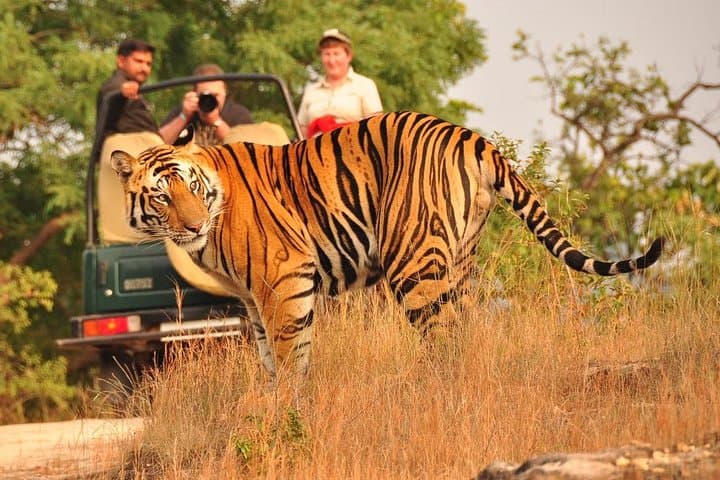
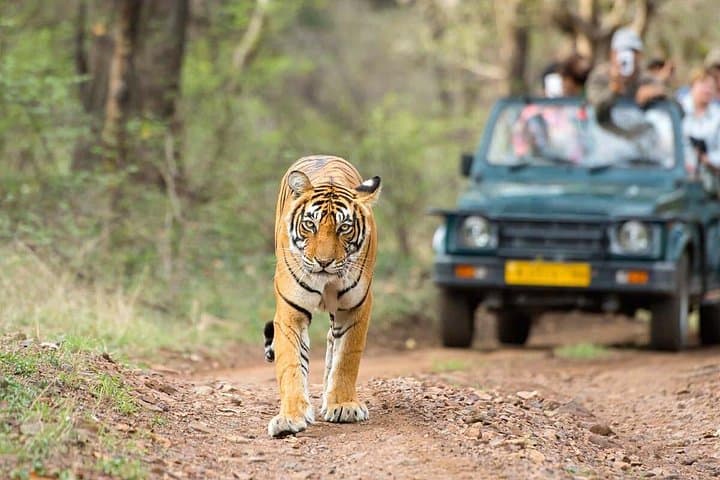
Five days of India’s most iconic sights—Delhi, Agra and Jaipur—culminate in a Ranthambore tiger safari. Expect sunrise at the Taj, palace tours, and early-morning game drives with a naturalist.
Five days of India’s most iconic sights—Delhi, Agra and Jaipur—culminate in a Ranthambore tiger safari. Expect sunrise at the Taj, palace tours, and early-morning game drives with a naturalist.
You step out into Delhi before dawn: the city yawns, markets brightening, rickshaws threading through lanes as guides fine-tune plans for Agra and the forest beyond.
Verified experiences and guided adventures in the surrounding area.
Operated by Jaipur Trip · Sawai Madhopur, Rajasthan
You step out into Delhi before dawn: the city yawns, markets brightening, rickshaws threading through lanes as guides fine-tune plans for Agra and the forest beyond.
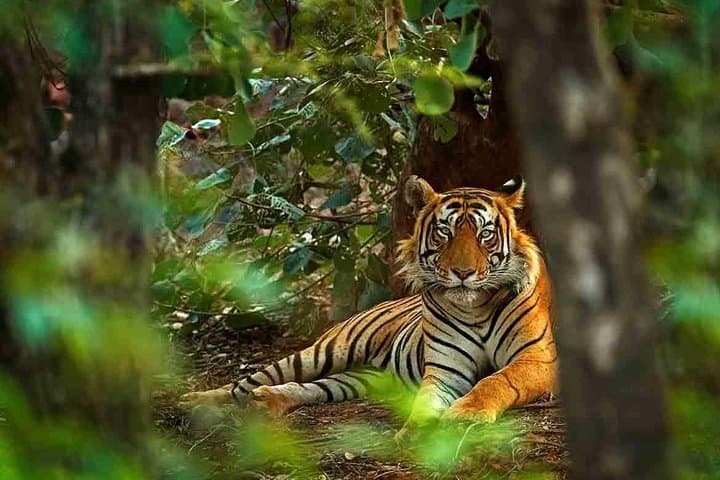
This five-day circuit stitches together Mughal marble and Rajput stone with a morning in the dry deciduous forests of Ranthambore where tigers move like weather—unpredictable and utterly present. In Agra the Taj Mahal waits at sunrise, its white silhouette shifting with the light; in Jaipur, hilltop Amber Fort watches over pink-hued streets and astronomical instruments at Jantar Mantar map human attempts to measure the sky.
Geology and history are immediate here: the Aravalli spurs and granite outcrops around Ranthambore create rocky vantage points and ancient fort ruins, while the Gangetic plain hosts centuries of Mughal architecture. Culturally, this route is a study in contrast—bazaars and temple festivals weave into the itinerary between game drives and palace tours.
Practically, expect early starts (game drives commonly 6–9 AM), long drives in air-conditioned vehicles, and hotel nights in Agra, Ranthambore (near Sawai Madhopur) and Jaipur. Ranthambore zones close during monsoon (July–Sept), so check dates. Pack binoculars, sunscreen, lightweight layers for cool mornings, and travel documents for monument entries. Listen to your naturalist—spotting a tiger often depends on patience and quiet observation as much as luck. This trip balances city sightseeing with a focused wildlife encounter—immediate, sensory, and organized for travelers who want both cultural depth and the chance to see one of India's great predators.
moderate.
5 days.
Suitable for most travelers with reasonable mobility—some walking at monuments and getting in/out of safari vehicles required.
October to March are generally best—cooler weather concentrates animals near water and vegetation cover is lower; note that July–Sept sees limited park access during monsoon.
No—sightings depend on animal movement and luck; naturalists increase your chances but never guarantee sightings.
Yes—the itinerary states accessibility for most fitness levels, though early starts and long drives may be tiring; consult regarding specific mobility needs.
International visitors need an Indian visa; park permits and vehicle passes are handled as part of the tour but carry ID for verification.
The Golden Triangle cities trace Mughal and Rajput ambitions—Delhi and Agra with imperial Mughal sites, Jaipur emerging in the 18th century as a planned Rajput capital.
Ranthambore is part of India’s Project Tiger network; responsible tourism and sticking to park rules help minimize disturbance and fund protection efforts.
Jaipur Trip operates guided outdoor trips and adventures with an emphasis on safety, stewardship, and memorable experiences.
You step out into Delhi before dawn: the city yawns, markets brightening, rickshaws threading through lanes as guides fine-tune plans for Agra and the forest beyond.
You step out into Delhi before dawn: the city yawns, markets brightening, rickshaws threading through lanes as guides fine-tune plans for Agra and the forest beyond.
This five-day circuit stitches together Mughal marble and Rajput stone with a morning in the dry deciduous forests of Ranthambore where tigers move like weather—unpredictable and utterly present. In Agra the Taj Mahal waits at sunrise, its white silhouette shifting with the light; in Jaipur, hilltop Amber Fort watches over pink-hued streets and astronomical instruments at Jantar Mantar map human attempts to measure the sky.
Geology and history are immediate here: the Aravalli spurs and granite outcrops around Ranthambore create rocky vantage points and ancient fort ruins, while the Gangetic plain hosts centuries of Mughal architecture. Culturally, this route is a study in contrast—bazaars and temple festivals weave into the itinerary between game drives and palace tours.
Practically, expect early starts (game drives commonly 6–9 AM), long drives in air-conditioned vehicles, and hotel nights in Agra, Ranthambore (near Sawai Madhopur) and Jaipur. Ranthambore zones close during monsoon (July–Sept), so check dates. Pack binoculars, sunscreen, lightweight layers for cool mornings, and travel documents for monument entries. Listen to your naturalist—spotting a tiger often depends on patience and quiet observation as much as luck. This trip balances city sightseeing with a focused wildlife encounter—immediate, sensory, and organized for travelers who want both cultural depth and the chance to see one of India's great predators.