THE ADVENTURE COLLECTIVE® · Independent discovery and booking for outdoor travel

Combine Delhi’s Mughal monuments, a sunrise at the Taj Mahal, and an early-morning Ranthambore safari on a compact 4-day private circuit. Expect long drives, structured safaris, and an itinerary optimised for first-time visitors to India’s Golden Triangle.
Combine Delhi’s Mughal monuments, a sunrise at the Taj Mahal, and an early-morning Ranthambore safari on a compact 4-day private circuit. Expect long drives, structured safaris, and an itinerary optimised for first-time visitors to India’s Golden Triangle.
Morning in Delhi feels immediate: horns, chai steam, and the first golden light skimming the dome of Gurudwara Bangla Sahib as your private car threads from city boulevards toward the Agra expressway.
Verified experiences and guided adventures in the surrounding area.
Operated by Maria Tours · Sawai Madhopur, Rajasthan
Morning in Delhi feels immediate: horns, chai steam, and the first golden light skimming the dome of Gurudwara Bangla Sahib as your private car threads from city boulevards toward the Agra expressway.
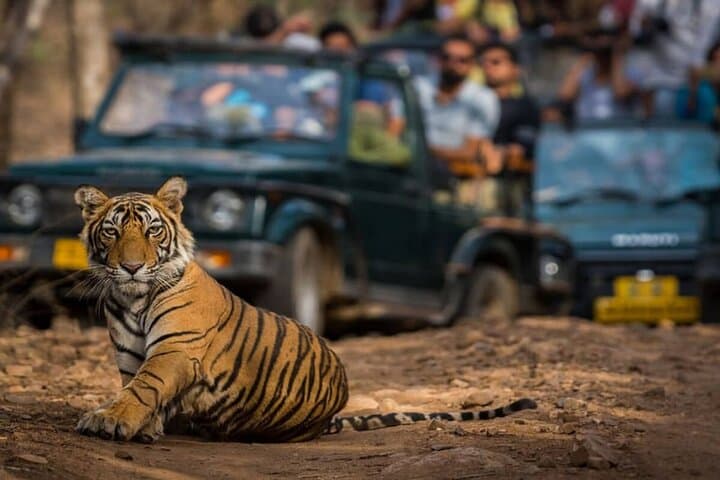
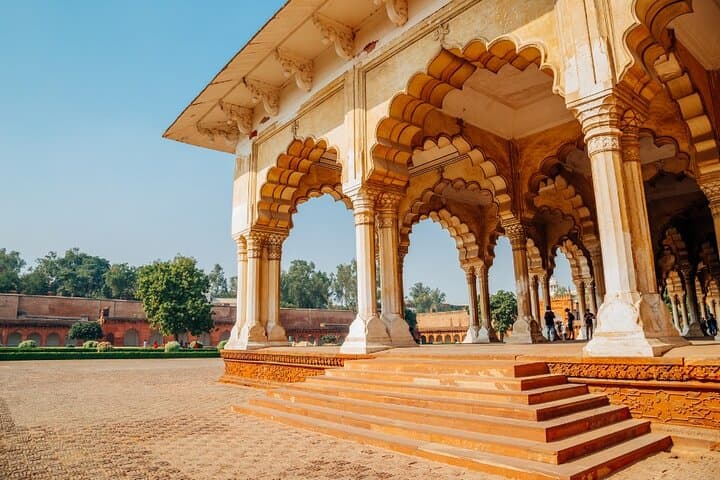
Over four days this itinerary stitches urban Mughal monuments with scrubby tiger country and Rajput hill forts. Begin with Delhi’s layered history — Red Fort, Humayun’s tomb and the narrow spice alleys of Old Delhi — then cross to Agra for a guided sunrise at the Taj Mahal and a walk through Agra Fort where Mughal stonework marks imperial reach. The road climbs later into Rajasthan; Ranthambore’s dry deciduous forest and rocky outcrops push back at the edge of the Aravalli hills, a landscape that has been a hunting ground and fortress zone since the 10th century. Ranthambore was designated a Project Tiger reserve in 1973 and a national park in 1980; its jeep and canter safaris give structured access to tigers, sloth bears and chital amid seasonal waterholes.
Practical edge: expect long driving segments between cities (Delhi–Agra ~3–4 hours; Agra–Ranthambore ~4–5 hours). Safaris run early morning and late afternoon — rise well before dawn, carry water, sun protection and a telephoto lens. Guides handle permits and routes but sightings aren’t guaranteed; patience and quiet observation increase your chances. Book winter months for cooler temperatures and clearer visibility, and remain on designated trails in the park to minimize disturbance.
moderate.
4 days (multi-day tour).
Suitable for travelers with average fitness; expect several hours of walking at monuments and short bursts of standing during safaris and transfers between cities.
No—sightings are never guaranteed. Ranthambore is a wild environment; guides use knowledge of movements to increase odds but it ultimately depends on animal behavior.
Safaris are conducted in shared jeeps or canters as specified; jeeps hold smaller groups and canters accommodate larger groups for a broader field of view.
Guides typically assist with tickets and permits; confirm inclusion at booking as some national park entry fees may be charged locally or included depending on the package.
Yes—the tour lists as physically easy and provides private transport and flexible pacing; inform the operator about special needs or infant seats at booking.
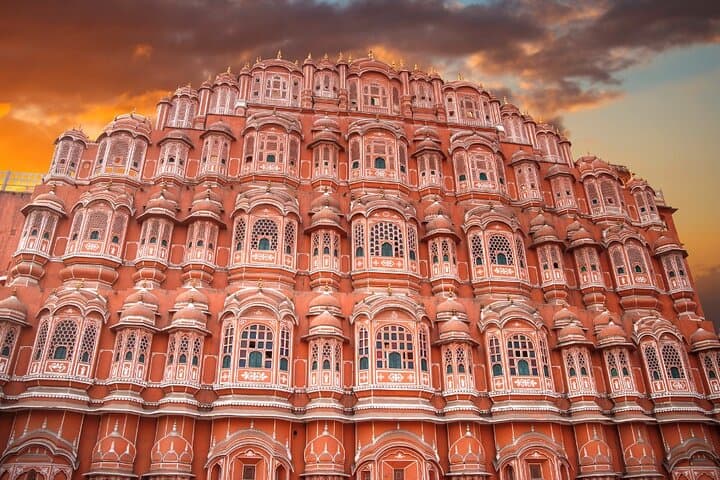
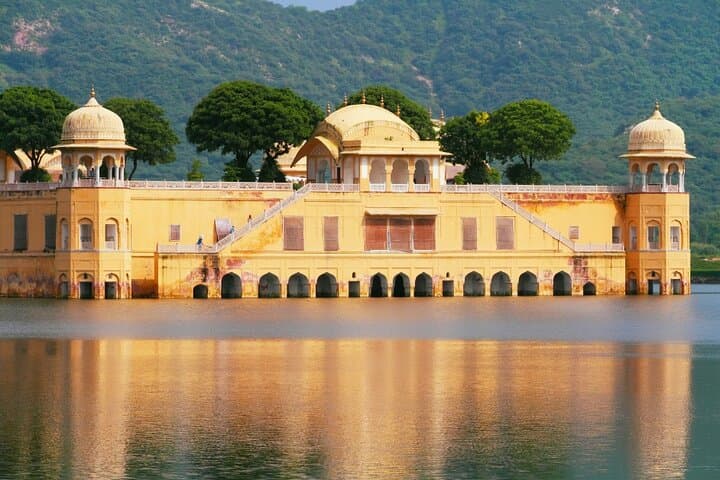
The route stitches Mughal-era Agra (Taj Mahal, Agra Fort) with Rajput Jaipur (forts and palaces); Ranthambore’s fort dates to the 10th century and sits within a later-established tiger reserve.
Ranthambore is a Project Tiger reserve (est. 1973) with strict rules—stay on designated routes, avoid feeding wildlife, and follow guide instructions to reduce disturbance.
Maria Tours operates guided outdoor trips and adventures with an emphasis on safety, stewardship, and memorable experiences.
Morning in Delhi feels immediate: horns, chai steam, and the first golden light skimming the dome of Gurudwara Bangla Sahib as your private car threads from city boulevards toward the Agra expressway.
Morning in Delhi feels immediate: horns, chai steam, and the first golden light skimming the dome of Gurudwara Bangla Sahib as your private car threads from city boulevards toward the Agra expressway.
Over four days this itinerary stitches urban Mughal monuments with scrubby tiger country and Rajput hill forts. Begin with Delhi’s layered history — Red Fort, Humayun’s tomb and the narrow spice alleys of Old Delhi — then cross to Agra for a guided sunrise at the Taj Mahal and a walk through Agra Fort where Mughal stonework marks imperial reach. The road climbs later into Rajasthan; Ranthambore’s dry deciduous forest and rocky outcrops push back at the edge of the Aravalli hills, a landscape that has been a hunting ground and fortress zone since the 10th century. Ranthambore was designated a Project Tiger reserve in 1973 and a national park in 1980; its jeep and canter safaris give structured access to tigers, sloth bears and chital amid seasonal waterholes.
Practical edge: expect long driving segments between cities (Delhi–Agra ~3–4 hours; Agra–Ranthambore ~4–5 hours). Safaris run early morning and late afternoon — rise well before dawn, carry water, sun protection and a telephoto lens. Guides handle permits and routes but sightings aren’t guaranteed; patience and quiet observation increase your chances. Book winter months for cooler temperatures and clearer visibility, and remain on designated trails in the park to minimize disturbance.