THE ADVENTURE COLLECTIVE® · Independent discovery and booking for outdoor travel

A compact, private 5‑day loop from Delhi that pairs UNESCO monuments with tiger safaris at Ranthambhore. Expect early starts, long drives between highlights and two focused wildlife safaris for the best chance to see Bengal tigers.
A compact, private 5‑day loop from Delhi that pairs UNESCO monuments with tiger safaris at Ranthambhore. Expect early starts, long drives between highlights and two focused wildlife safaris for the best chance to see Bengal tigers.
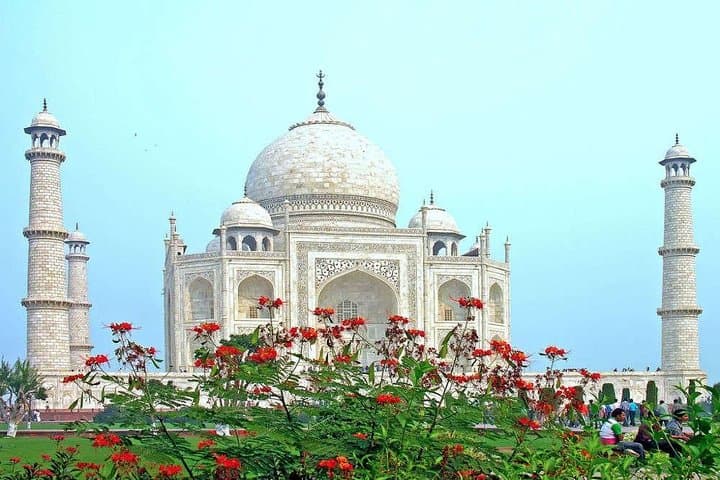
You step out of the car before dawn and the marble of the Taj shimmers like cooled milk as the first light slices the sky. Days ahead alternate between crowded city arteries and the slow, watchful quiet of the Ranthambhore forest where dry deciduous trees throw long shadows and the fort hill keeps a silent crown above the reserve.
Verified experiences and guided adventures in the surrounding area.
Operated by Bagga India Tour · New Delhi, Delhi
You step out of the car before dawn and the marble of the Taj shimmers like cooled milk as the first light slices the sky. Days ahead alternate between crowded city arteries and the slow, watchful quiet of the Ranthambhore forest where dry deciduous trees throw long shadows and the fort hill keeps a silent crown above the reserve.
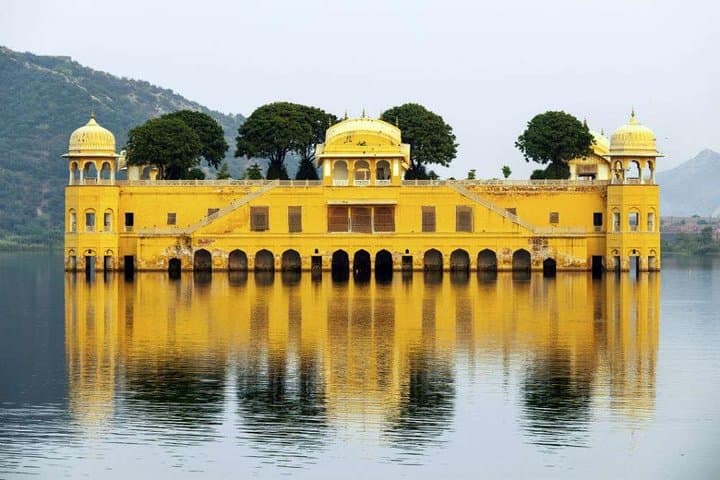
This itinerary threads three of northern India’s most important cultural layers: Mughal monuments in Delhi and Agra (Taj Mahal, Agra Fort, Humayun’s Tomb), Akbar’s fortified dream at Fatehpur Sikri, and the Rajput palaces of Jaipur—Jantar Mantar and Hawa Mahal showcase scientific and courtly traditions. Geologically you’ll cross the flat Indo-Gangetic plain into the outlying Aravalli foothills; Ranthambhore’s granite ridges and seasonal lakes create tiger habitat and dry-season visibility for wildlife viewing.
Culturally the route mixes Islamic, Hindu and Rajput architecture and invites local encounters in bazaars and craft workshops; expect Rajasthani textiles, stone inlay and spirited street food. Safari zones open primarily October–June, with reduced access in monsoon months.
Practical guidance: plan early-morning Taj visits to avoid crowds, and book Ranthambhore safari sessions (two 3-hour sessions are typical) through your operator; shared jeeps or 20-seat vans are used when jeeps aren’t available. Days are long with multiple drives—Delhi–Agra ≈3–4 hours, Agra–Ranthambhore ≈5–6 hours; pack light layers for cool mornings, sun protection for afternoons, and binoculars and a telephoto lens for wildlife photography. Respect park rules, keep distance from animals and carry cash for small purchases—this blend of heritage and wilderness rewards careful timing and a curious appetite for history and wildlife.
moderate.
5 days.
Suitable for travelers in fair health; expect multiple full-day drives and short walks at sites and moderate bumps during jeep safaris.
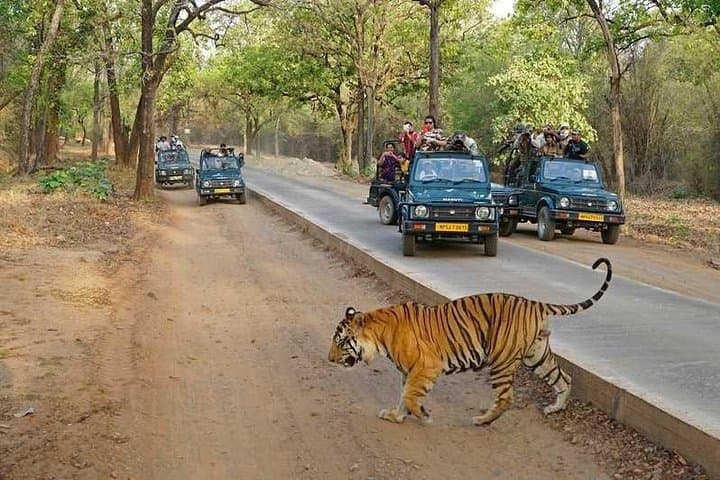
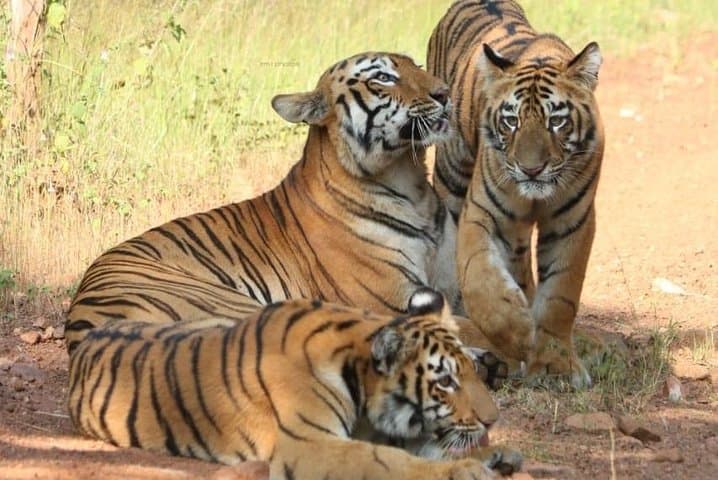
Tigers are present and sightings are possible but not guaranteed—probability increases with early-morning safaris, experienced guides, and visits during dry season when animals concentrate near water.
October–March offers cooler weather and full park zones; November–February is dry and pleasant for monuments and wildlife spotting.
This private tour can include monument entrance fees and transfers depending on booking options—confirm which inclusions you selected before travel.
Conservative clothing that covers shoulders and knees is recommended; remove shoes where required at temples and gurdwaras.
The route traces Mughal-era imperial architecture (16th–17th centuries) and earlier Rajput urban planning in Jaipur; Fatehpur Sikri is Akbar’s 16th‑century ghost city.
Ranthambhore operates zoned safaris and anti‑poaching measures to balance tourism and tiger protection; visitors should follow park rules to minimize disturbance.
Bagga India Tour operates guided outdoor trips and adventures with an emphasis on safety, stewardship, and memorable experiences.
You step out of the car before dawn and the marble of the Taj shimmers like cooled milk as the first light slices the sky. Days ahead alternate between crowded city arteries and the slow, watchful quiet of the Ranthambhore forest where dry deciduous trees throw long shadows and the fort hill keeps a silent crown above the reserve.
You step out of the car before dawn and the marble of the Taj shimmers like cooled milk as the first light slices the sky. Days ahead alternate between crowded city arteries and the slow, watchful quiet of the Ranthambhore forest where dry deciduous trees throw long shadows and the fort hill keeps a silent crown above the reserve.
This itinerary threads three of northern India’s most important cultural layers: Mughal monuments in Delhi and Agra (Taj Mahal, Agra Fort, Humayun’s Tomb), Akbar’s fortified dream at Fatehpur Sikri, and the Rajput palaces of Jaipur—Jantar Mantar and Hawa Mahal showcase scientific and courtly traditions. Geologically you’ll cross the flat Indo-Gangetic plain into the outlying Aravalli foothills; Ranthambhore’s granite ridges and seasonal lakes create tiger habitat and dry-season visibility for wildlife viewing.
Culturally the route mixes Islamic, Hindu and Rajput architecture and invites local encounters in bazaars and craft workshops; expect Rajasthani textiles, stone inlay and spirited street food. Safari zones open primarily October–June, with reduced access in monsoon months.
Practical guidance: plan early-morning Taj visits to avoid crowds, and book Ranthambhore safari sessions (two 3-hour sessions are typical) through your operator; shared jeeps or 20-seat vans are used when jeeps aren’t available. Days are long with multiple drives—Delhi–Agra ≈3–4 hours, Agra–Ranthambhore ≈5–6 hours; pack light layers for cool mornings, sun protection for afternoons, and binoculars and a telephoto lens for wildlife photography. Respect park rules, keep distance from animals and carry cash for small purchases—this blend of heritage and wilderness rewards careful timing and a curious appetite for history and wildlife.