THE ADVENTURE COLLECTIVE® · Independent discovery and booking for outdoor travel

Travel from Delhi’s imperial monuments to Ranthambhore’s tiger-haunted scrub on a compact 5-day loop. Expect sunrise at the Taj, two safaris in search of wild cats, and guided city tours that cut past long lines.
Travel from Delhi’s imperial monuments to Ranthambhore’s tiger-haunted scrub on a compact 5-day loop. Expect sunrise at the Taj, two safaris in search of wild cats, and guided city tours that cut past long lines.
You step from a morning Delhi traffic hum into a courtyard where the light falls on red sandstone and marble — the Taj’s silhouette still warm from sunrise. Over five days this tour stitches city streets and jungle trails together: New Delhi’s Mughal-era tombs, Agra’s riverbank forts, the tiger-scarred scrub of Ranthambhore and Jaipur’s pink-hued palaces.
Verified experiences and guided adventures in the surrounding area.
Operated by Bagga India Tour · New Delhi, Delhi
You step from a morning Delhi traffic hum into a courtyard where the light falls on red sandstone and marble — the Taj’s silhouette still warm from sunrise. Over five days this tour stitches city streets and jungle trails together: New Delhi’s Mughal-era tombs, Agra’s riverbank forts, the tiger-scarred scrub of Ranthambhore and Jaipur’s pink-hued palaces.
History here reads in stone. Qutub Minar, Humayun’s Tomb and Jantar Mantar mark eras of empire and astronomical curiosity; Fatehpur Sikri and Agra Fort show Mughal power projected in courtyards and gateways. Geology matters too — the Aravalli outcrops around Jaipur shape dry deciduous forest that channels monsoon water into kunds and lakes, while the Yamuna pushes past Agra, its current both lifeline and boundary.
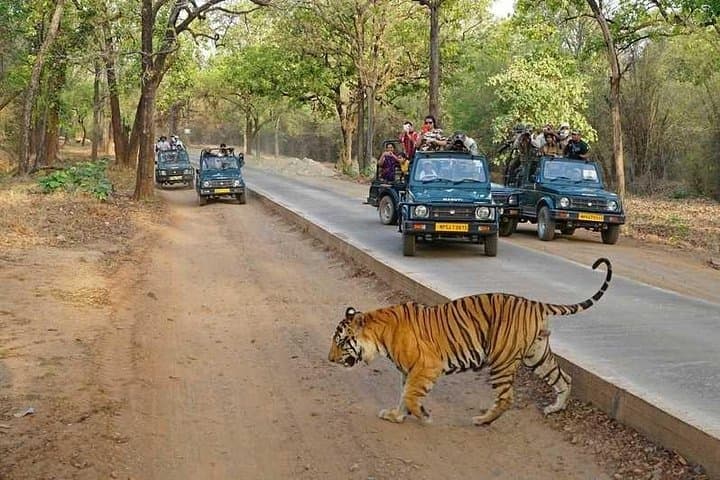
Culture threads through bazaars and slow chai breaks: rickshaw rides in Chandni Chowk, marble inlay workshops in Agra, and folk music drifting in Jaipur’s alleys. In Ranthambhore the landscape has agency — boulders and ruins block sightlines and a tiger’s shadow can dissolve into the scrub.
Practical guidance: plan this between October and June when most safari zones are open; expect early-morning departures for wildlife drives and sunrise at the Taj. Carry layered clothing for cool mornings and hot afternoons, photocopies of ID for monument entry, and enough battery power for long drives. Wildlife sightings are never guaranteed; patience and quiet increase your odds. Book hotel pickups in advance and confirm safari zones before arrival to avoid disappointment.
moderate.
5 days.
Basic fitness for short walks, early mornings and getting in/out of vehicles; no strenuous trekking required.
This tour covers transfers, guides and sightseeing; hotels and flights are not included—travelers must book accommodation separately unless a package specifies otherwise.
October through June is the prime season for Ranthambhore safaris: more zones are open and vegetation is thinner, improving sighting chances.
Children are allowed but policies vary—check age restrictions for shared jeeps or canter safaris and ensure child seating is arranged with the operator.
No; tiger sightings are never guaranteed. Safaris increase the chance but depend on animal movement, weather and zone allocation.
The route traces Mughal-era ambition—monuments like the Taj Mahal, Agra Fort and Fatehpur Sikri were built in the 16th–17th centuries as imperial statements of power and piety.
Ranthambhore is part of India’s Project Tiger network; follow park rules, avoid feeding wildlife and minimize noise to reduce disturbance.
Bagga India Tour operates guided outdoor trips and adventures with an emphasis on safety, stewardship, and memorable experiences.

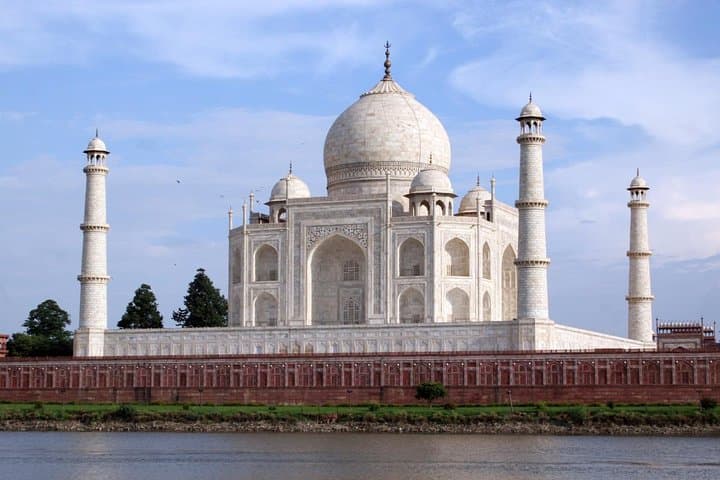
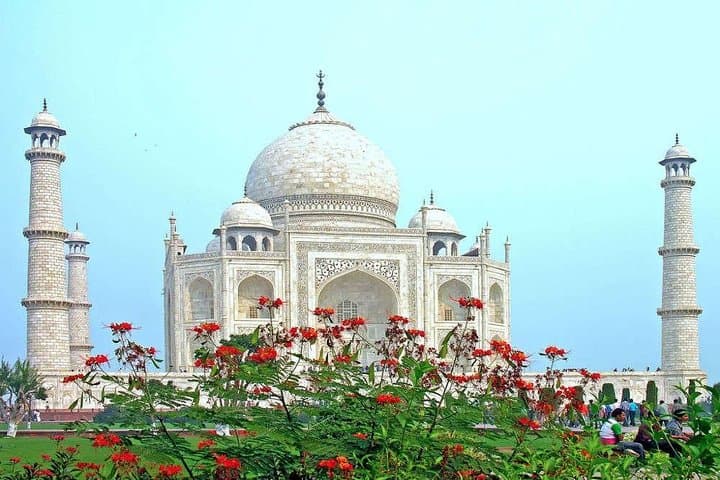
You step from a morning Delhi traffic hum into a courtyard where the light falls on red sandstone and marble — the Taj’s silhouette still warm from sunrise. Over five days this tour stitches city streets and jungle trails together: New Delhi’s Mughal-era tombs, Agra’s riverbank forts, the tiger-scarred scrub of Ranthambhore and Jaipur’s pink-hued palaces.
You step from a morning Delhi traffic hum into a courtyard where the light falls on red sandstone and marble — the Taj’s silhouette still warm from sunrise. Over five days this tour stitches city streets and jungle trails together: New Delhi’s Mughal-era tombs, Agra’s riverbank forts, the tiger-scarred scrub of Ranthambhore and Jaipur’s pink-hued palaces.
History here reads in stone. Qutub Minar, Humayun’s Tomb and Jantar Mantar mark eras of empire and astronomical curiosity; Fatehpur Sikri and Agra Fort show Mughal power projected in courtyards and gateways. Geology matters too — the Aravalli outcrops around Jaipur shape dry deciduous forest that channels monsoon water into kunds and lakes, while the Yamuna pushes past Agra, its current both lifeline and boundary.
Culture threads through bazaars and slow chai breaks: rickshaw rides in Chandni Chowk, marble inlay workshops in Agra, and folk music drifting in Jaipur’s alleys. In Ranthambhore the landscape has agency — boulders and ruins block sightlines and a tiger’s shadow can dissolve into the scrub.
Practical guidance: plan this between October and June when most safari zones are open; expect early-morning departures for wildlife drives and sunrise at the Taj. Carry layered clothing for cool mornings and hot afternoons, photocopies of ID for monument entry, and enough battery power for long drives. Wildlife sightings are never guaranteed; patience and quiet increase your odds. Book hotel pickups in advance and confirm safari zones before arrival to avoid disappointment.