THE ADVENTURE COLLECTIVE® · Independent discovery and booking for outdoor travel

Fly from Goa into the living history of India on a 6-day private Golden Triangle tour. Visit Delhi’s monuments, the Taj Mahal in Agra, and Jaipur’s forts with private transfers, guides, and optional hotel nights.
Fly from Goa into the living history of India on a 6-day private Golden Triangle tour. Visit Delhi’s monuments, the Taj Mahal in Agra, and Jaipur’s forts with private transfers, guides, and optional hotel nights.
You step out of Goa’s humid dawn into the hum of an airport transfer and, within hours, land beneath Delhi’s layered skyline—a city that keeps conversation with its past. The Golden Triangle tour moves like a measured march through history: Mughal red sandstone and marble in Agra, Rajput fortresses in Jaipur, and the colonial grids and chaotic bazaars of Delhi.
Verified experiences and guided adventures in the surrounding area.
Operated by Travel Creators Of India · Agra, Uttar Pradesh
You step out of Goa’s humid dawn into the hum of an airport transfer and, within hours, land beneath Delhi’s layered skyline—a city that keeps conversation with its past. The Golden Triangle tour moves like a measured march through history: Mughal red sandstone and marble in Agra, Rajput fortresses in Jaipur, and the colonial grids and chaotic bazaars of Delhi.
This route follows fault lines of empire as much as modern roads. The Taj Mahal’s white marble sits on alluvial plains fed by the Yamuna, its surfaces quietly affected by humidity and pollution. Amer Fort in Jaipur perches on Aravalli foothills—one of the world’s oldest mountain ranges—where sandstone walls throw back heat into terraced courtyards. Culture here is performative; markets call in color and spice, while etiquette, from removing shoes at monuments to modest dress at mosques, shapes how you move through sites.
Expect guided walks at major monuments, drives between cities (3–4 hours Delhi–Agra; 4–5 hours Agra–Jaipur with a stop at Fatehpur Sikri), and short local transfers including golf-cart access at the Taj. Practicalities matter: start early to dodge heat and crowds, carry a water bottle, and keep a copy of your passport. Footwear should handle cobbled fort courtyards and uneven museum stairs. Timing your visit outside peak summer will make walks across courtyards far more enjoyable.
This private itinerary is logistical convenience married to deep, tactile history—compact, walkable, and easy to adapt if you want more time lingering in bazaars or at a sunset view over the Taj.
easy.
6 days.
Light to moderate walking ability; able to handle stairs and short walks between venues
Yes—an economy class one-way flight from Goa to Delhi is included in the itinerary.
Guided visits and transfers are included, but some entrance fees may not be; confirm specific admissions with your provider before booking.
Yes—operators state the itinerary can be tailored for time, interests, and special requirements; request changes during booking.
No—the Taj Mahal is closed on Fridays; plan your schedule accordingly to ensure a visit on an open day.
The Golden Triangle traces centers of Mughal power and Rajput princely states; monuments like the Taj Mahal and Amer Fort reflect Mughal and Rajput architectural legacies.
High visitation places like the Taj require ongoing conservation; travelers can help by minimizing litter, using bottled water responsibly, and respecting site rules to reduce wear.
Travel Creators Of India operates guided outdoor trips and adventures with an emphasis on safety, stewardship, and memorable experiences.
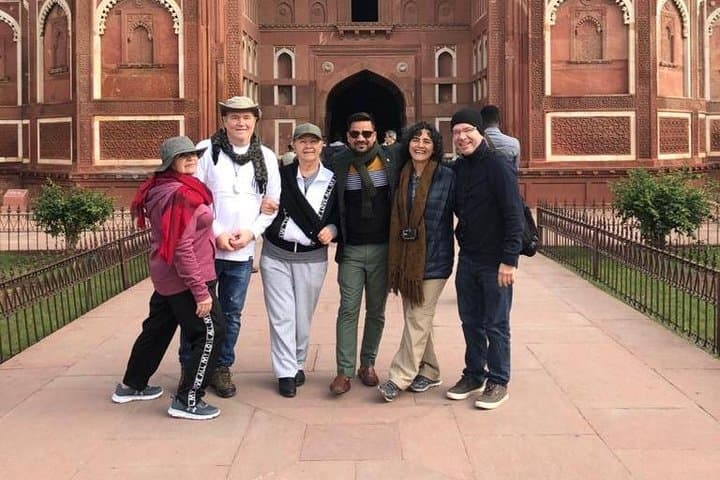
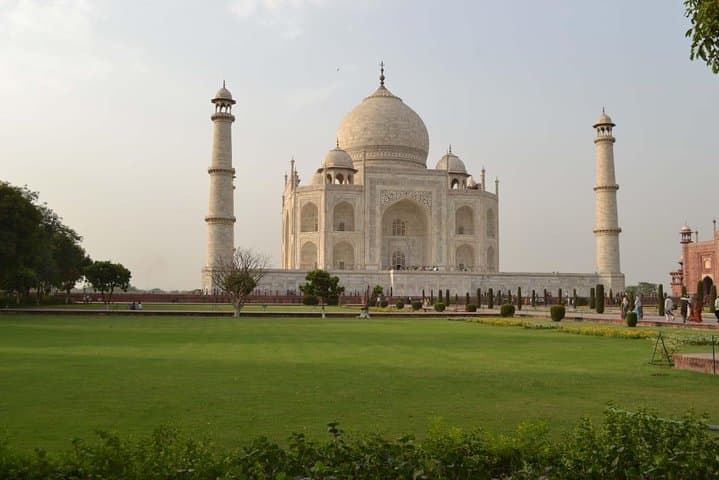
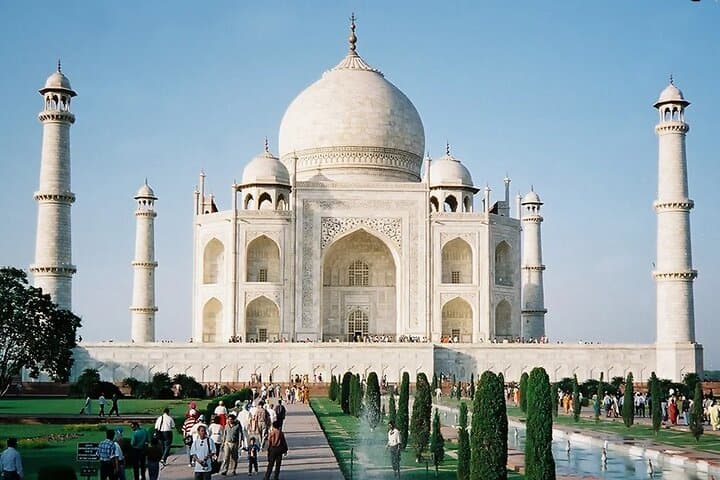
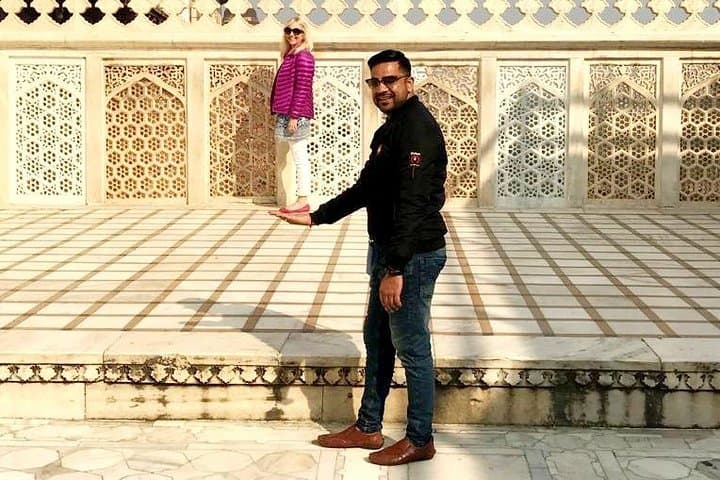
You step out of Goa’s humid dawn into the hum of an airport transfer and, within hours, land beneath Delhi’s layered skyline—a city that keeps conversation with its past. The Golden Triangle tour moves like a measured march through history: Mughal red sandstone and marble in Agra, Rajput fortresses in Jaipur, and the colonial grids and chaotic bazaars of Delhi.
You step out of Goa’s humid dawn into the hum of an airport transfer and, within hours, land beneath Delhi’s layered skyline—a city that keeps conversation with its past. The Golden Triangle tour moves like a measured march through history: Mughal red sandstone and marble in Agra, Rajput fortresses in Jaipur, and the colonial grids and chaotic bazaars of Delhi.
This route follows fault lines of empire as much as modern roads. The Taj Mahal’s white marble sits on alluvial plains fed by the Yamuna, its surfaces quietly affected by humidity and pollution. Amer Fort in Jaipur perches on Aravalli foothills—one of the world’s oldest mountain ranges—where sandstone walls throw back heat into terraced courtyards. Culture here is performative; markets call in color and spice, while etiquette, from removing shoes at monuments to modest dress at mosques, shapes how you move through sites.
Expect guided walks at major monuments, drives between cities (3–4 hours Delhi–Agra; 4–5 hours Agra–Jaipur with a stop at Fatehpur Sikri), and short local transfers including golf-cart access at the Taj. Practicalities matter: start early to dodge heat and crowds, carry a water bottle, and keep a copy of your passport. Footwear should handle cobbled fort courtyards and uneven museum stairs. Timing your visit outside peak summer will make walks across courtyards far more enjoyable.
This private itinerary is logistical convenience married to deep, tactile history—compact, walkable, and easy to adapt if you want more time lingering in bazaars or at a sunset view over the Taj.