THE ADVENTURE COLLECTIVE® · Independent discovery and booking for outdoor travel

A private, six-day circuit through India’s Golden Triangle—Delhi, Agra, Jaipur and Mandawa—combines UNESCO monuments, fortified palaces and painted havelis. Expect early starts, guided history, and practical pacing to beat heat and crowds.
A private, six-day circuit through India’s Golden Triangle—Delhi, Agra, Jaipur and Mandawa—combines UNESCO monuments, fortified palaces and painted havelis. Expect early starts, guided history, and practical pacing to beat heat and crowds.
You step out of your air-conditioned car into a morning in Old Delhi: exhaust, spice-scented air and bell-like calls from the mosque mingle as your guide folds a city’s history into a single narrative.
Verified experiences and guided adventures in the surrounding area.
Operated by Sunrise Taj Mahal Tour · New Delhi, Delhi
You step out of your air-conditioned car into a morning in Old Delhi: exhaust, spice-scented air and bell-like calls from the mosque mingle as your guide folds a city’s history into a single narrative.
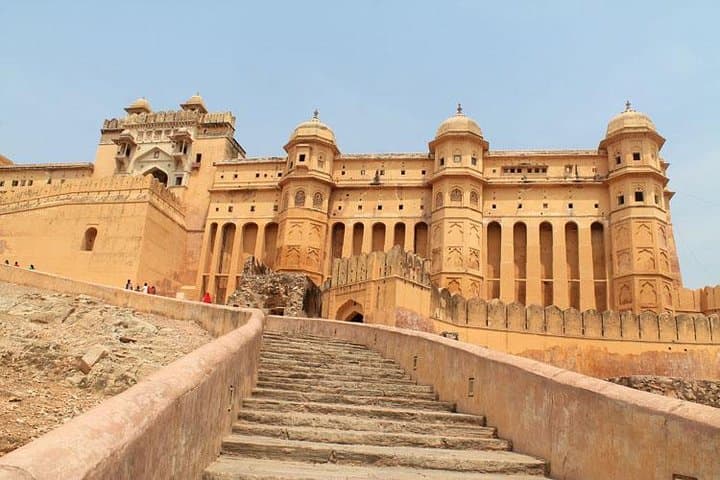
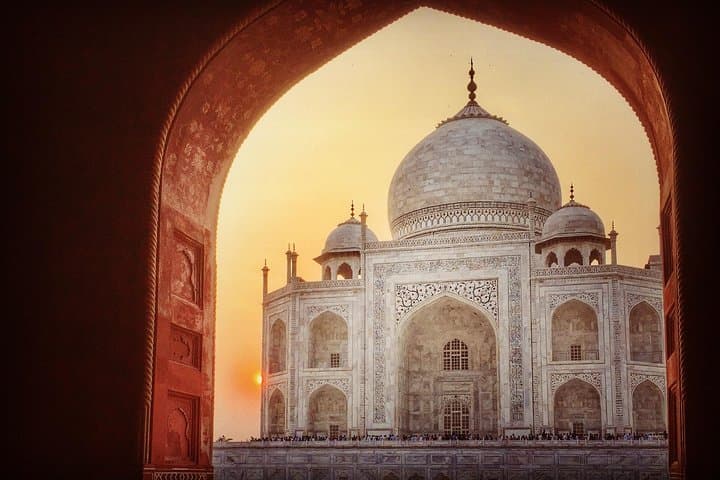
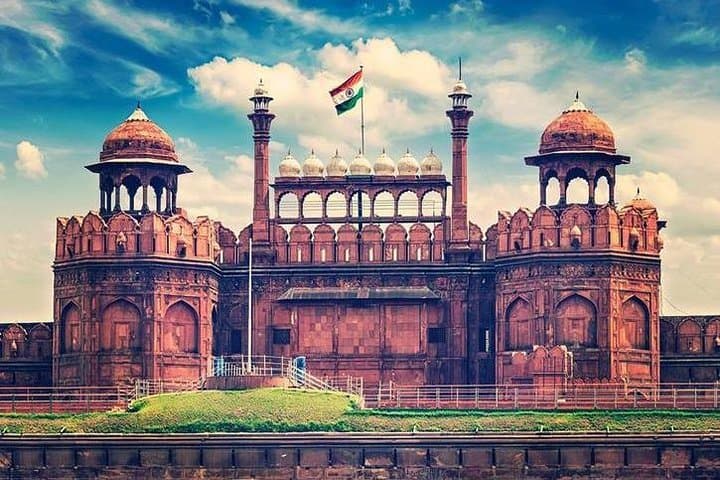
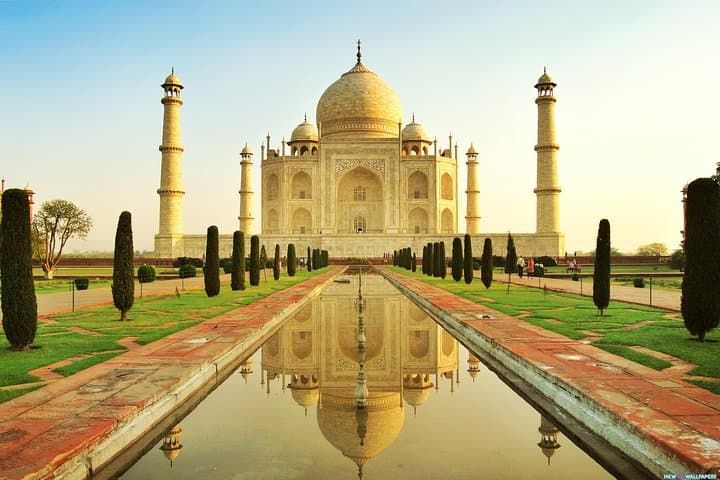
Over six days the route moves like a slow river—Delhi’s layered empires giving way to Agra’s white marble hush, then across arid plains to Jaipur’s ochre ramparts and finally to the painted havelis of Mandawa. The Taj Mahal’s white façade reads as Mughal grief rendered in stone; nearby Agra Fort records the tactical, sculpted pride of emperors. Qutub Minar and Humayun’s Tomb in Delhi show early Mughal masonry and garden planning, while Fatehpur Sikri is a deliberate urban experiment frozen in the 16th century.
Geology dictates more than color here: the Yamuna’s floodplain fed the cities’ growth, while the sandstone of Jaipur’s forts gives the Pink City its durable warmth. Culturally, Rajasthan and Uttar Pradesh present distinct rhythms—festivals, craft markets, and courtyard life that reward slow observation.
Practical guidance: mornings are best for major monuments—arrive early at the Taj and Amber Fort to avoid heat and crowds. Carry water, sun protection, and comfortable shoes for uneven paving and stairs. Respect local dress codes at religious sites (shoulders and knees covered). Your private guide handles logistics and stories; entrance fees are typically separate—confirm inclusions when you book. Plan at least one free afternoon in Jaipur or Mandawa to explore markets and frescoed alleys by foot, where the small details of paint and inlay reveal a different, quieter history.
easy.
6 days.
Suitable for travelers in average physical condition; involves moderate walking on paved and uneven surfaces and climbing steps at forts and tombs.
Breakfast and a private guide/vehicle are included; hotels are provided only if you select the tour price that includes accommodations—confirm your booking option for inclusions.
Yes—airport/hotel pickup and drop-off by private, air-conditioned vehicle are included as stated in the tour inclusions.
Most travelers can participate; children have a special rate (max two) and the itinerary involves walking and stairs—notify the operator of mobility concerns so they can adapt the pace and vehicle use.
Travelers to India typically require a visa—check the Indian government site for your country. Routine vaccinations are recommended; consult a travel clinic for up-to-date health advice.
The Golden Triangle’s highlights are largely Mughal and Rajput-era monuments—Shah Jahan’s Taj Mahal and Akbar’s Fatehpur Sikri mark different phases of 16th–17th century South Asian empire building.
High visitor volumes can stress fragile monuments and local water resources; choose licensed guides, avoid single-use plastics, and stick to marked paths to minimize impact.
Sunrise Taj Mahal Tour operates guided outdoor trips and adventures with an emphasis on safety, stewardship, and memorable experiences.
You step out of your air-conditioned car into a morning in Old Delhi: exhaust, spice-scented air and bell-like calls from the mosque mingle as your guide folds a city’s history into a single narrative.
You step out of your air-conditioned car into a morning in Old Delhi: exhaust, spice-scented air and bell-like calls from the mosque mingle as your guide folds a city’s history into a single narrative.
Over six days the route moves like a slow river—Delhi’s layered empires giving way to Agra’s white marble hush, then across arid plains to Jaipur’s ochre ramparts and finally to the painted havelis of Mandawa. The Taj Mahal’s white façade reads as Mughal grief rendered in stone; nearby Agra Fort records the tactical, sculpted pride of emperors. Qutub Minar and Humayun’s Tomb in Delhi show early Mughal masonry and garden planning, while Fatehpur Sikri is a deliberate urban experiment frozen in the 16th century.
Geology dictates more than color here: the Yamuna’s floodplain fed the cities’ growth, while the sandstone of Jaipur’s forts gives the Pink City its durable warmth. Culturally, Rajasthan and Uttar Pradesh present distinct rhythms—festivals, craft markets, and courtyard life that reward slow observation.
Practical guidance: mornings are best for major monuments—arrive early at the Taj and Amber Fort to avoid heat and crowds. Carry water, sun protection, and comfortable shoes for uneven paving and stairs. Respect local dress codes at religious sites (shoulders and knees covered). Your private guide handles logistics and stories; entrance fees are typically separate—confirm inclusions when you book. Plan at least one free afternoon in Jaipur or Mandawa to explore markets and frescoed alleys by foot, where the small details of paint and inlay reveal a different, quieter history.