THE ADVENTURE COLLECTIVE® · Independent discovery and booking for outdoor travel

Move from Jaipur’s pink palaces to the Taj Mahal and Delhi’s imperial monuments on a privately guided five-day Golden Triangle route. This itinerary pairs focused sightseeing with practical logistics—ideal for travelers who want deep cultural context without managing transfers.
Move from Jaipur’s pink palaces to the Taj Mahal and Delhi’s imperial monuments on a privately guided five-day Golden Triangle route. This itinerary pairs focused sightseeing with practical logistics—ideal for travelers who want deep cultural context without managing transfers.
The bus eases away from Jaipur before dawn; sandstone rooftops glow as the Aravalli hills push cool air across the city. Over five days you move through Mughal courts and Rajput palaces—Hawa Mahal’s latticed windows frame markets below, the Taj Mahal basks beside the slow Yamuna, and Delhi’s lanes hum with layered history.
Verified experiences and guided adventures in the surrounding area.
Operated by Rajasthan Car Hire · Jaipur, Rajasthan
The bus eases away from Jaipur before dawn; sandstone rooftops glow as the Aravalli hills push cool air across the city. Over five days you move through Mughal courts and Rajput palaces—Hawa Mahal’s latticed windows frame markets below, the Taj Mahal basks beside the slow Yamuna, and Delhi’s lanes hum with layered history.
This route follows a clear historical arc: Rajput courts in Jaipur (18th–19th c.), Mughal masterpieces in Agra (16th–17th c.), and imperial and colonial layers in Delhi. Geologically the trip is framed by the low Aravalli range and the broad alluvial plain of the Yamuna, which shaped settlement and trade routes for centuries. Local culture is tactile—textiles, mouthwatering street snacks, and ritual flows at Jama Masjid and Gurudwara Bangla Sahib create constant, human-scale encounters.
Expect guided walks through forts and mausoleums, regular vehicle transfers in an air-conditioned car, short hikes up hill forts like Nahargarh, and photo stops at Mehtab Bagh. Mornings are best for monuments to avoid heat and crowds; afternoons suit markets and museums. Practical notes: keep a copy of passport details handy, wear closed-toe shoes for uneven fort steps, and carry a refillable water bottle—tap into bottled water provided when in vehicle.
Timing, light, and sensible layers dictate how much you absorb: early sun on the Taj is quiet and soft; late afternoon at Nahargarh stretches the city into a map under your feet. The tour delivers history in motion, with logistics handled so you can focus on what the sites demand—attention.
easy.
5 days (approx. 8–10 hours/day).
Suitable for travelers in average fitness; involves walking and climbing short flights of stairs at monuments
The tour lists visits to major sites but entrance fees are often separate; confirm with the operator which admissions are covered when booking.
This private tour states wheelchair-accessible transport and many areas, but some historic sites have stairs—notify the operator in advance to plan accessible routes.
Expect several hours of vehicle transfer between cities (Jaipur–Agra–Delhi) plus short drives to individual sights; travel days can run 6–8 hours including stops.
Breakfast is listed for days when accommodation is booked through the operator; other meals are typically at your own expense unless otherwise specified.
The Golden Triangle connects distinct political eras—Rajput courts in Jaipur, Mughal imperial centers in Agra, and layers of Sultanate and colonial Delhi—each site reflects different patronage and architectural priorities.
Monuments are managed by ASI with visitor limits at peak times; avoid flash photography and follow local guidance to reduce wear on fragile stonework.
Rajasthan Car Hire operates guided outdoor trips and adventures with an emphasis on safety, stewardship, and memorable experiences.
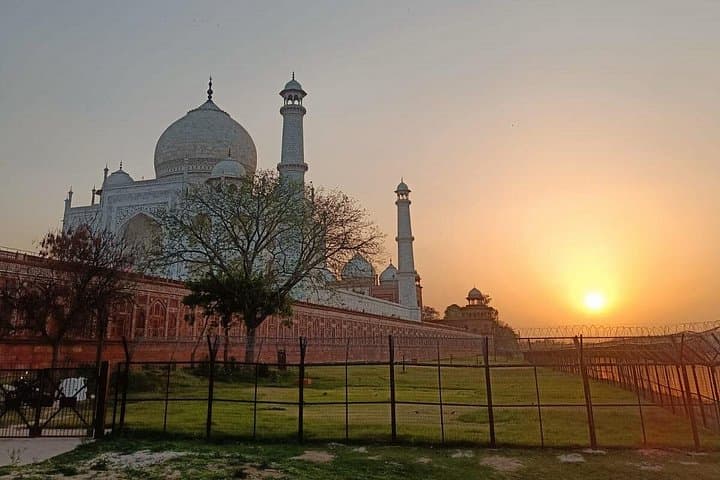

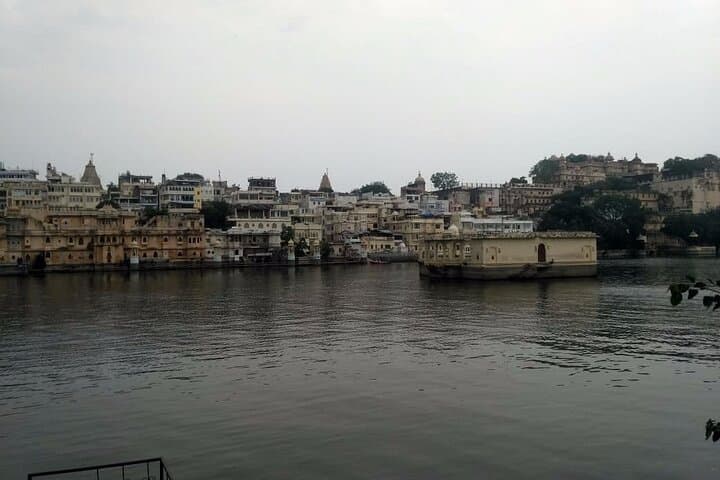
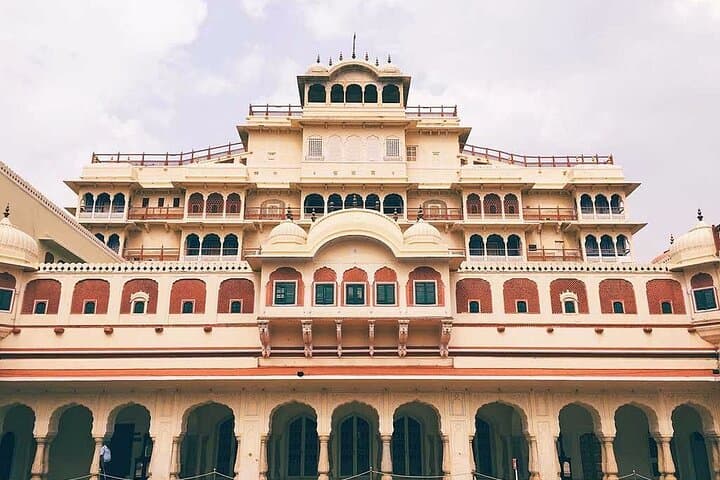
The bus eases away from Jaipur before dawn; sandstone rooftops glow as the Aravalli hills push cool air across the city. Over five days you move through Mughal courts and Rajput palaces—Hawa Mahal’s latticed windows frame markets below, the Taj Mahal basks beside the slow Yamuna, and Delhi’s lanes hum with layered history.
The bus eases away from Jaipur before dawn; sandstone rooftops glow as the Aravalli hills push cool air across the city. Over five days you move through Mughal courts and Rajput palaces—Hawa Mahal’s latticed windows frame markets below, the Taj Mahal basks beside the slow Yamuna, and Delhi’s lanes hum with layered history.
This route follows a clear historical arc: Rajput courts in Jaipur (18th–19th c.), Mughal masterpieces in Agra (16th–17th c.), and imperial and colonial layers in Delhi. Geologically the trip is framed by the low Aravalli range and the broad alluvial plain of the Yamuna, which shaped settlement and trade routes for centuries. Local culture is tactile—textiles, mouthwatering street snacks, and ritual flows at Jama Masjid and Gurudwara Bangla Sahib create constant, human-scale encounters.
Expect guided walks through forts and mausoleums, regular vehicle transfers in an air-conditioned car, short hikes up hill forts like Nahargarh, and photo stops at Mehtab Bagh. Mornings are best for monuments to avoid heat and crowds; afternoons suit markets and museums. Practical notes: keep a copy of passport details handy, wear closed-toe shoes for uneven fort steps, and carry a refillable water bottle—tap into bottled water provided when in vehicle.
Timing, light, and sensible layers dictate how much you absorb: early sun on the Taj is quiet and soft; late afternoon at Nahargarh stretches the city into a map under your feet. The tour delivers history in motion, with logistics handled so you can focus on what the sites demand—attention.