THE ADVENTURE COLLECTIVE® · Independent discovery and booking for outdoor travel

A 12-day road-forward tour linking Delhi, Agra and Jaipur with Udaipur, Jodhpur, Jaisalmer and Pushkar. Expect long drives, private guides, sunrise views at the Taj and a desert safari — all paced for first-time visitors who prefer structure with flexibility.
A 12-day road-forward tour linking Delhi, Agra and Jaipur with Udaipur, Jodhpur, Jaisalmer and Pushkar. Expect long drives, private guides, sunrise views at the Taj and a desert safari — all paced for first-time visitors who prefer structure with flexibility.
You step out into Delhi before dawn: humid air, mosque calls fading, and the city headlights tracing the highway as your driver slips onto the expressway. Over the next 12 days the road becomes a spine of history — a ribbon of tarmac connecting ivory marble, pink sandstone, lakes that hold palace reflections, and dunes that rearrange themselves with every wind.
Verified experiences and guided adventures in the surrounding area.
Operated by Golden Triangle Tours India · New Delhi, Delhi
You step out into Delhi before dawn: humid air, mosque calls fading, and the city headlights tracing the highway as your driver slips onto the expressway. Over the next 12 days the road becomes a spine of history — a ribbon of tarmac connecting ivory marble, pink sandstone, lakes that hold palace reflections, and dunes that rearrange themselves with every wind.
This itinerary threads UNESCO and regional highlights: sunrise at the Taj Mahal on the Yamuna's bank, Agra Fort's red sandstone ramparts, Jaipur's palaces and Jantar Mantar instruments, Udaipur's island palaces on Lake Pichola, and the Thar Desert's golden city of Jaisalmer with its living fort. Geology reads in color — river silt feeding Agra's plains, Vindhyan and Aravalli outcrops framing Rajasthan, and aeolian sand sculpting dunes outside Jaisalmer. Cultural layers are equally vivid: Mughal funerary gardens, Rajput havelis carved from honeystone, and Pushkar's Brahma temple and ghats where ritual and pilgrimage continue.
Practically, expect long drives (Delhi–Agra ~243 km/3.5 hrs; Jaipur–Udaipur ~400 km/7 hrs) balanced with guided walking tours and boat rides. The tour uses private AC transport and local guides; hotel nights are included on most options. Carry refillable water, sun protection, and comfortable walking shoes; start major sites early to avoid heat and crowds. For the desert, bring a wind scarf and be ready for sand underfoot. The pace suits travelers who want broad exposure to North India’s monuments, markets, and landscapes without camp-style logistics — culturally dense, road-forward, and grounded in practical rhythms.
easy.
12 days.
Suitable for travelers with average mobility who can manage several hours of walking and multi-hour drives; not physically demanding.
Options list 9 nights accommodation and airport or hotel pick-up/drop-off when the hotel-inclusive option is booked; confirm your booking choice during reservation.
No; the tour is rated easy and relies on private transport and guided short walks, though some walking on uneven surfaces and steps is expected.
October to March offers cooler temperatures and clearer skies; summers are hot, especially in Rajasthan, and monsoon can affect comfort.
The itinerary includes guided visits; note the battery bus from the parking lot to the Taj is provided and certain entry rules apply for photography and bags.
The route maps Mughal-era monuments and Rajput palaces built between the 12th and 18th centuries, reflecting imperial ambitions and local craft traditions.
Rajasthan and Uttar Pradesh face water stress and visitor pressure; travel with refillable bottles, follow local guidance at sensitive sites, and avoid disturbing fauna in desert reserves.
Golden Triangle Tours India operates guided outdoor trips and adventures with an emphasis on safety, stewardship, and memorable experiences.


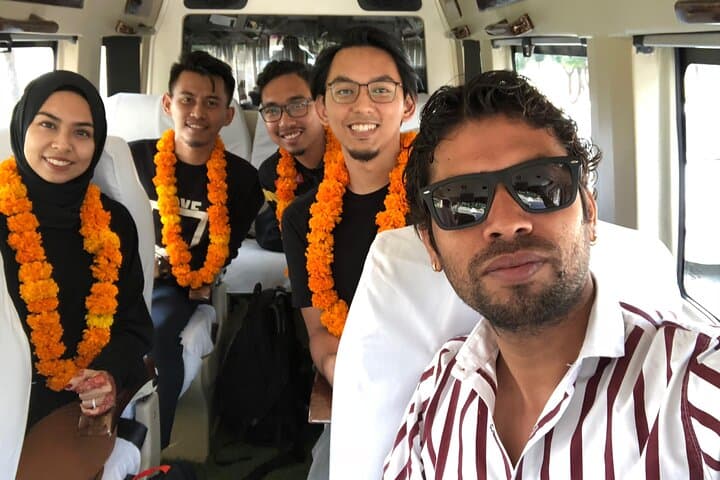

You step out into Delhi before dawn: humid air, mosque calls fading, and the city headlights tracing the highway as your driver slips onto the expressway. Over the next 12 days the road becomes a spine of history — a ribbon of tarmac connecting ivory marble, pink sandstone, lakes that hold palace reflections, and dunes that rearrange themselves with every wind.
You step out into Delhi before dawn: humid air, mosque calls fading, and the city headlights tracing the highway as your driver slips onto the expressway. Over the next 12 days the road becomes a spine of history — a ribbon of tarmac connecting ivory marble, pink sandstone, lakes that hold palace reflections, and dunes that rearrange themselves with every wind.
This itinerary threads UNESCO and regional highlights: sunrise at the Taj Mahal on the Yamuna's bank, Agra Fort's red sandstone ramparts, Jaipur's palaces and Jantar Mantar instruments, Udaipur's island palaces on Lake Pichola, and the Thar Desert's golden city of Jaisalmer with its living fort. Geology reads in color — river silt feeding Agra's plains, Vindhyan and Aravalli outcrops framing Rajasthan, and aeolian sand sculpting dunes outside Jaisalmer. Cultural layers are equally vivid: Mughal funerary gardens, Rajput havelis carved from honeystone, and Pushkar's Brahma temple and ghats where ritual and pilgrimage continue.
Practically, expect long drives (Delhi–Agra ~243 km/3.5 hrs; Jaipur–Udaipur ~400 km/7 hrs) balanced with guided walking tours and boat rides. The tour uses private AC transport and local guides; hotel nights are included on most options. Carry refillable water, sun protection, and comfortable walking shoes; start major sites early to avoid heat and crowds. For the desert, bring a wind scarf and be ready for sand underfoot. The pace suits travelers who want broad exposure to North India’s monuments, markets, and landscapes without camp-style logistics — culturally dense, road-forward, and grounded in practical rhythms.