THE ADVENTURE COLLECTIVE® · Independent discovery and booking for outdoor travel

Experience Delhi, Agra and Jaipur without the pressure to shop: sunrise at the Taj, Old Delhi walking tours, and Amber Fort’s hilltop views are the focus. This four‑day private tour prioritizes history, architecture and local neighborhoods over retail stops.
Experience Delhi, Agra and Jaipur without the pressure to shop: sunrise at the Taj, Old Delhi walking tours, and Amber Fort’s hilltop views are the focus. This four‑day private tour prioritizes history, architecture and local neighborhoods over retail stops.
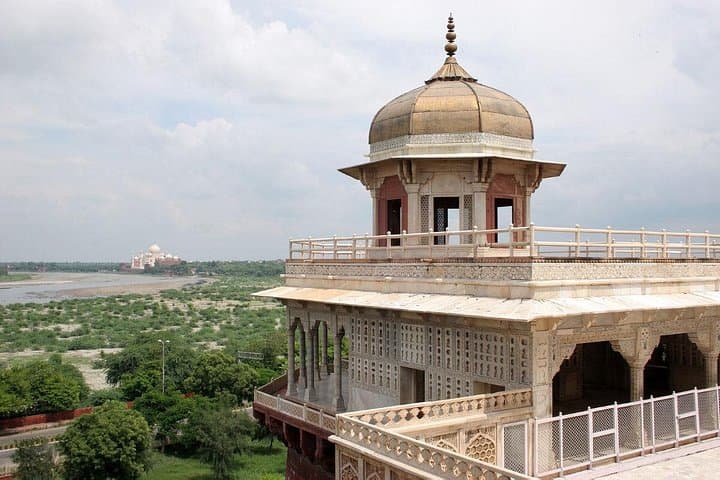
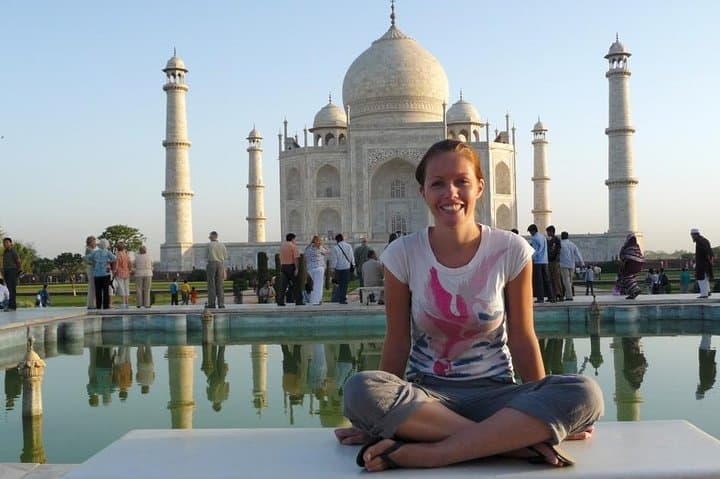
You wake before dawn to a low, cool light over the Yamuna as the Taj Mahal’s white silhouette sharpens against the sky. The car hums along the Yamuna Expressway; city noise peels away and the day is measured in monuments—Jama Masjid’s call to prayer, the ponderous gates of Agra Fort, and the honey‑colored ramparts of Amber Fort clinging to a Jaipur ridge.
Verified experiences and guided adventures in the surrounding area.
Operated by S.A.M Tours & Travels · New Delhi, Delhi
You wake before dawn to a low, cool light over the Yamuna as the Taj Mahal’s white silhouette sharpens against the sky. The car hums along the Yamuna Expressway; city noise peels away and the day is measured in monuments—Jama Masjid’s call to prayer, the ponderous gates of Agra Fort, and the honey‑colored ramparts of Amber Fort clinging to a Jaipur ridge.
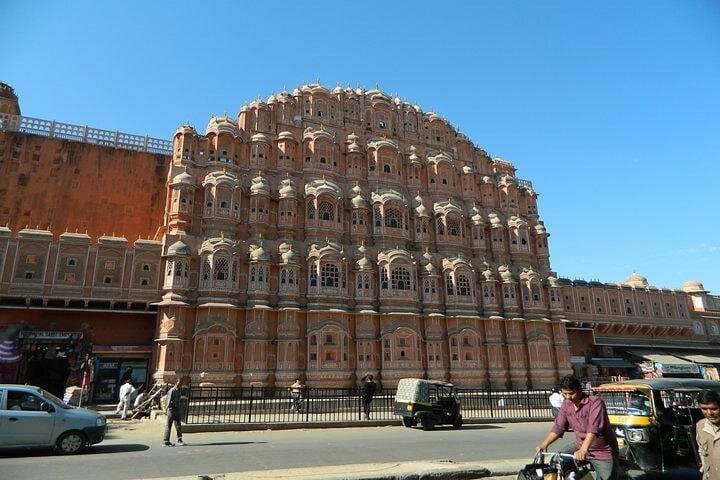
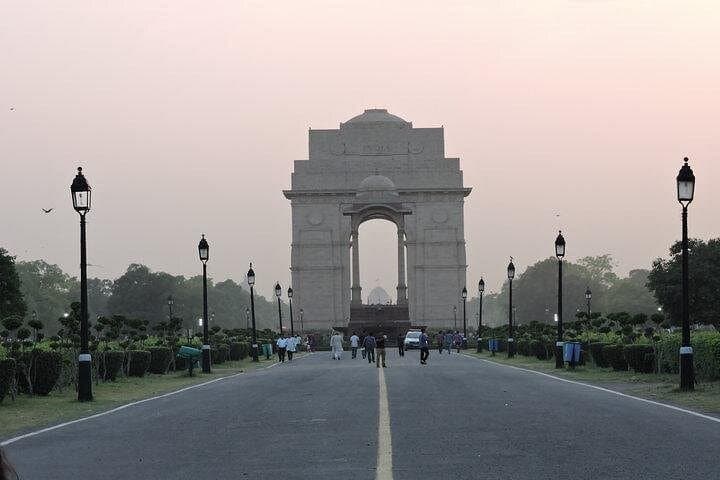
This itinerary threads three eras of north India. Mughal rulers left red sandstone forts and Makrana marble mausoleums; Rajput kings carved palaces and jharokha balconies into Jaipur’s hill‑fringed city. Expect narrow alleys in Old Delhi where colonial and medieval layers overlap, and wide ceremonial boulevards around India Gate that reflect 20th‑century city planning.
Local culture shows itself in markets, scent‑rich breakfasts, and informal walking tours through neighborhoods rather than shopping stops. Meander past stepwells and chowks, watch artisans at work, and time a sunrise at the Taj for soft light and fewer crowds.
Practical guidance: the tour runs over four days with early starts and short urban walks—plan on 2–5 km of walking per day on mostly flat pavement; some steps at forts. Entry fees and optional experiences (elephant rides) aren’t included, so carry modest cash and exact-change for small vendors. Dress respectfully for mosque visits, bring sun protection and a refillable water bottle, and keep passport copies handy—you’ll need them for monument entry. The private vehicle makes transfers comfortable, but be prepared for warm afternoons and busy traffic windows between cities.
easy.
4 days.
Light walking fitness; able to manage multiple short urban walks and stairs at forts.
No—entry fees to the Taj Mahal, Agra Fort, Amber Fort and other monuments are excluded and must be paid on site.
The tour is largely accessible but includes steps at forts and walking in old markets—inform the operator about mobility needs in advance.
Fatehpur Sikri is sometimes included en route to Jaipur when timing allows; confirm with the operator during booking.
Breakfast for three mornings is included; other meals and drinks are typically at your expense unless otherwise arranged.
The Golden Triangle concentrates Mughal and Rajput legacies—Taj Mahal’s 17th‑century Mughal design and Jaipur’s 18th‑century planned grid and palaces mark distinct chapters in north Indian history.
High visitor volumes strain fragile monuments; follow marked paths, avoid littering, and use designated viewing areas to support conservation efforts.
S.A.M Tours & Travels operates guided outdoor trips and adventures with an emphasis on safety, stewardship, and memorable experiences.
You wake before dawn to a low, cool light over the Yamuna as the Taj Mahal’s white silhouette sharpens against the sky. The car hums along the Yamuna Expressway; city noise peels away and the day is measured in monuments—Jama Masjid’s call to prayer, the ponderous gates of Agra Fort, and the honey‑colored ramparts of Amber Fort clinging to a Jaipur ridge.
You wake before dawn to a low, cool light over the Yamuna as the Taj Mahal’s white silhouette sharpens against the sky. The car hums along the Yamuna Expressway; city noise peels away and the day is measured in monuments—Jama Masjid’s call to prayer, the ponderous gates of Agra Fort, and the honey‑colored ramparts of Amber Fort clinging to a Jaipur ridge.
This itinerary threads three eras of north India. Mughal rulers left red sandstone forts and Makrana marble mausoleums; Rajput kings carved palaces and jharokha balconies into Jaipur’s hill‑fringed city. Expect narrow alleys in Old Delhi where colonial and medieval layers overlap, and wide ceremonial boulevards around India Gate that reflect 20th‑century city planning.
Local culture shows itself in markets, scent‑rich breakfasts, and informal walking tours through neighborhoods rather than shopping stops. Meander past stepwells and chowks, watch artisans at work, and time a sunrise at the Taj for soft light and fewer crowds.
Practical guidance: the tour runs over four days with early starts and short urban walks—plan on 2–5 km of walking per day on mostly flat pavement; some steps at forts. Entry fees and optional experiences (elephant rides) aren’t included, so carry modest cash and exact-change for small vendors. Dress respectfully for mosque visits, bring sun protection and a refillable water bottle, and keep passport copies handy—you’ll need them for monument entry. The private vehicle makes transfers comfortable, but be prepared for warm afternoons and busy traffic windows between cities.