THE ADVENTURE COLLECTIVE® · Independent discovery and booking for outdoor travel

Combine sunrise at the Taj Mahal with a river safari in the rugged Chambal Reserve on a four-day private tour through Delhi, Agra and Jaipur. Expect early starts, long drives, cultural sites and up-close river wildlife viewing.
Combine sunrise at the Taj Mahal with a river safari in the rugged Chambal Reserve on a four-day private tour through Delhi, Agra and Jaipur. Expect early starts, long drives, cultural sites and up-close river wildlife viewing.
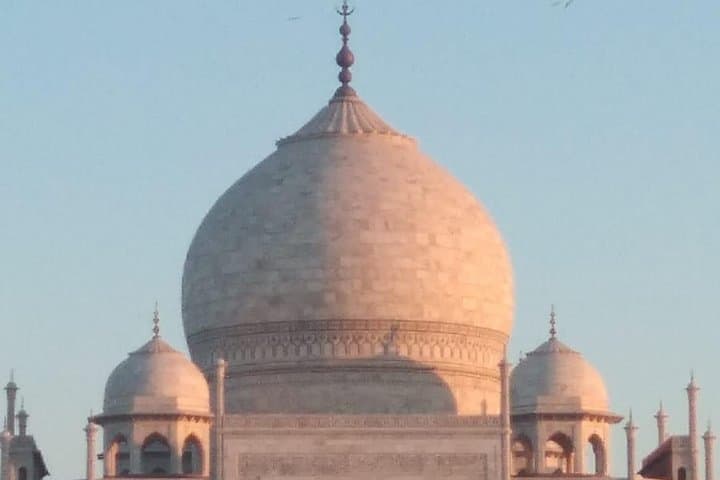
Dawn in Agra finds the Taj Mahal pale and patient as the Yamuna slips by, the marble waking with the sun. By the third day you'll trade the monument's polished silence for the raw geology of the Chambal River—mud cliffs that hold gullies, nests and the low-voiced calls of river birds—an entirely different India where the landscape feels active, not ornamental.
Verified experiences and guided adventures in the surrounding area.
Operated by Padma Holidays · New Delhi, Delhi
Dawn in Agra finds the Taj Mahal pale and patient as the Yamuna slips by, the marble waking with the sun. By the third day you'll trade the monument's polished silence for the raw geology of the Chambal River—mud cliffs that hold gullies, nests and the low-voiced calls of river birds—an entirely different India where the landscape feels active, not ornamental.
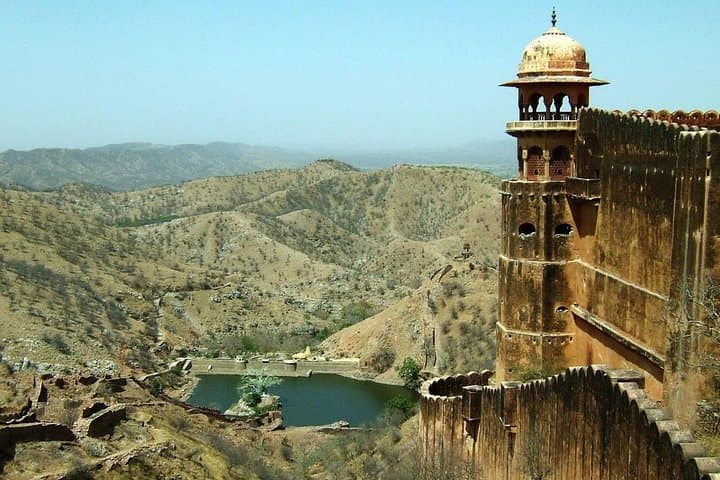
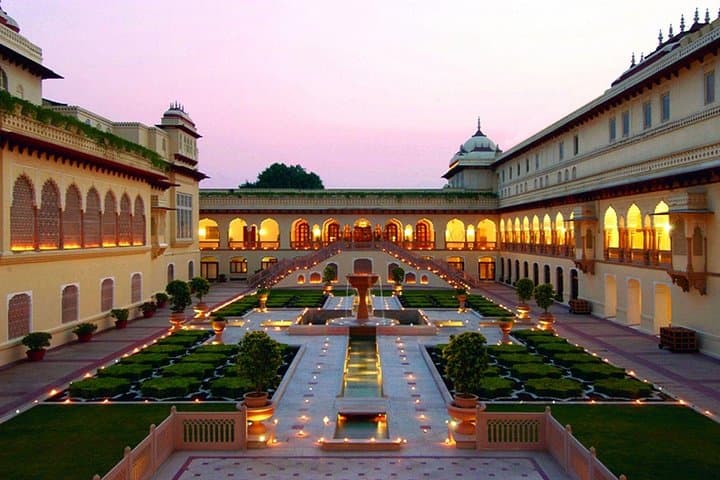
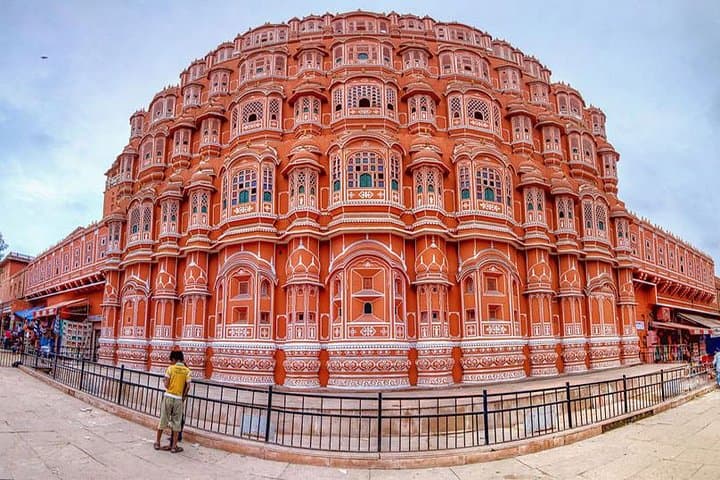
The Golden Triangle links three centuries of Mughal and Rajput power: Delhi's layered forts and colonial avenues, Agra's Mughal funerary architecture centred on Shah Jahan's masterpiece, and Jaipur’s sandstone palaces and observatory — each city a practical lesson in imperial design and trade routes. Chambal Reserve, carved by a slow, erosive river, preserves ravines that support gharials, marsh birds and communities that still fish and farm in seasonal rhythms.
Expect early mornings and long drives between highlights; the itinerary balances guided city walks and museum stops with open-air safaris. On the Chambal river safari, boats edge close to mudbanks where crocodilians and marsh terns appear unexpectedly, and the river seems to dare you to keep moving downstream.
Plan for heat and dust: comfortable walking shoes, sun protection, and a lightweight scarf for temple and mosque visits. Carry local currency for small purchases and tip in small notes. Photographers will want wide-angle lenses for city façades and a mid-telephoto for wildlife. Overall this mix suits travelers who want architectural history plus a short, wildlife-focused wilderness interlude without strenuous hiking.
moderate.
4 days.
Light to moderate — able to handle multiple days of walking up to a few hours, plus long vehicle transfers
This is a four-day private tour with early starts for sunrise at the Taj, full-day sightseeing in Delhi and Jaipur, and a dedicated day for the Chambal river safari; expect several hours of driving between cities.
Yes—boat safaris are family-friendly, but young children should be supervised near water and during boat embarkation; check age policies with the operator.
Lunches and the listed visits are included per the itinerary but verify specific monument entry fees and optional activities with the provider when booking.
Light, breathable clothing for daytime, a sun hat for safaris, and modest attire for religious or palace interiors; bring a light layer for early mornings.
The route connects Mughal-era Agra and Delhi with Jaipur’s Rajput urban plan; caravans and courtly rivalry shaped the forts and palaces you will visit.
Chambal's protected zone focuses on riverine species and habitat restoration; follow local guidance to minimize disturbance during boat safaris.
Padma Holidays operates guided outdoor trips and adventures with an emphasis on safety, stewardship, and memorable experiences.
Dawn in Agra finds the Taj Mahal pale and patient as the Yamuna slips by, the marble waking with the sun. By the third day you'll trade the monument's polished silence for the raw geology of the Chambal River—mud cliffs that hold gullies, nests and the low-voiced calls of river birds—an entirely different India where the landscape feels active, not ornamental.
Dawn in Agra finds the Taj Mahal pale and patient as the Yamuna slips by, the marble waking with the sun. By the third day you'll trade the monument's polished silence for the raw geology of the Chambal River—mud cliffs that hold gullies, nests and the low-voiced calls of river birds—an entirely different India where the landscape feels active, not ornamental.
The Golden Triangle links three centuries of Mughal and Rajput power: Delhi's layered forts and colonial avenues, Agra's Mughal funerary architecture centred on Shah Jahan's masterpiece, and Jaipur’s sandstone palaces and observatory — each city a practical lesson in imperial design and trade routes. Chambal Reserve, carved by a slow, erosive river, preserves ravines that support gharials, marsh birds and communities that still fish and farm in seasonal rhythms.
Expect early mornings and long drives between highlights; the itinerary balances guided city walks and museum stops with open-air safaris. On the Chambal river safari, boats edge close to mudbanks where crocodilians and marsh terns appear unexpectedly, and the river seems to dare you to keep moving downstream.
Plan for heat and dust: comfortable walking shoes, sun protection, and a lightweight scarf for temple and mosque visits. Carry local currency for small purchases and tip in small notes. Photographers will want wide-angle lenses for city façades and a mid-telephoto for wildlife. Overall this mix suits travelers who want architectural history plus a short, wildlife-focused wilderness interlude without strenuous hiking.