THE ADVENTURE COLLECTIVE® · Independent discovery and booking for outdoor travel

A six-day guided loop from Mumbai to the Taj, Jaipur’s forts and Varanasi’s ghats — timed for sunrise at the Taj and the evening Ganga Aarti. Practical routing, included flights and local guides make it a compact introduction to North India’s living history.
A six-day guided loop from Mumbai to the Taj, Jaipur’s forts and Varanasi’s ghats — timed for sunrise at the Taj and the evening Ganga Aarti. Practical routing, included flights and local guides make it a compact introduction to North India’s living history.
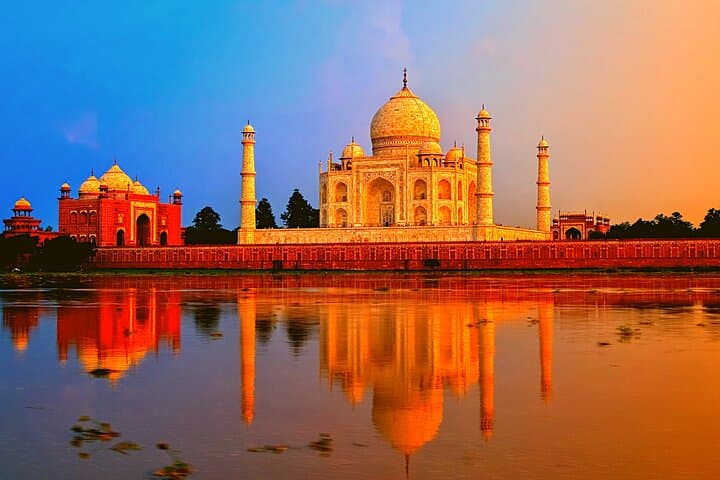
The bus grinds out of Delhi at dawn and the plains open like a map: mustard fields, low villages, the Yamuna cutting a silver line beside Agra. By sunset you’re watching the Taj Mahal bloom in the copper light from Mehtab Bagh; before sunrise you’ll return when its white marble seems to float.
Verified experiences and guided adventures in the surrounding area.
Operated by INDIA Trotter · Agra, Uttar Pradesh
The bus grinds out of Delhi at dawn and the plains open like a map: mustard fields, low villages, the Yamuna cutting a silver line beside Agra. By sunset you’re watching the Taj Mahal bloom in the copper light from Mehtab Bagh; before sunrise you’ll return when its white marble seems to float.
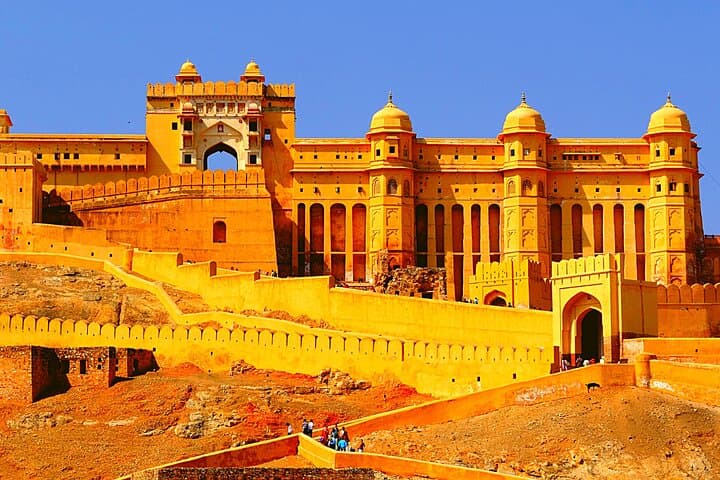
This six-day circuit covers Mughal mausoleums, Rajput forts and the ancient ghats of Varanasi. Agra’s Taj Mahal and Agra Fort reveal 17th-century Mughal ambition in marble and red sandstone; Jaipur’s Amber Fort and City Palace show Rajput grandeur carved into the Aravalli foothills. Varanasi is older still, a living ritual city where the Ganges dares you to watch life and death performed on its steps.
Geology is visible in the stones: the red sandstones of north Indian forts and the alluvial plains that feed the Ganges. Culture shifts visibly too — courtly architecture gives way to colorful bazaars and the loom-filled lanes of Banarasi weavers.
Practical guidance: expect several long drives (Delhi–Agra ≈250 km/4–5 hours, Agra–Jaipur ≈240 km/6–7 hours) and short flights between Jaipur and Varanasi. Plan early wake-ups for sunrise at the Taj and river cruises at dawn; midday heat can be intense so hydrate and use sun protection. Wear comfortable walking shoes for uneven fort courtyards and ghats. Carry local currency for small temple donations, tipping guides, and buying handicrafts.
This itinerary balances curated logistics with time to absorb the architecture, craft traditions and river rituals that make northern India tangible and immediate.
moderate.
5–6 days.
Suitable for travelers in average physical condition who can handle multiple short walks, stair climbing in forts, and several long vehicle transfers.
Yes—this package includes flights Mumbai–Delhi, Jaipur–Varanasi and Varanasi–Mumbai as part of the itinerary.
No—the itinerary is suitable for most fitness levels but includes stairs, uneven surfaces and multiple short walks; inform operators of mobility needs.
Guide charges are included but monument entrance fees may be optional extras—confirm with the operator and carry local cash for tips and small purchases.
October–March offers cooler temperatures and clearer skies; avoid the monsoon months for the least disruption.
The route stitches Mughal-era Agra and the Rajput courts of Jaipur with Varanasi’s millennia-old river culture, reflecting layers of north Indian political and religious history.
Monuments face wear from mass tourism and pollution; minimize impact by following site rules, avoiding litter, and supporting certified local guides and artisans.
INDIA Trotter operates guided outdoor trips and adventures with an emphasis on safety, stewardship, and memorable experiences.

The bus grinds out of Delhi at dawn and the plains open like a map: mustard fields, low villages, the Yamuna cutting a silver line beside Agra. By sunset you’re watching the Taj Mahal bloom in the copper light from Mehtab Bagh; before sunrise you’ll return when its white marble seems to float.
The bus grinds out of Delhi at dawn and the plains open like a map: mustard fields, low villages, the Yamuna cutting a silver line beside Agra. By sunset you’re watching the Taj Mahal bloom in the copper light from Mehtab Bagh; before sunrise you’ll return when its white marble seems to float.
This six-day circuit covers Mughal mausoleums, Rajput forts and the ancient ghats of Varanasi. Agra’s Taj Mahal and Agra Fort reveal 17th-century Mughal ambition in marble and red sandstone; Jaipur’s Amber Fort and City Palace show Rajput grandeur carved into the Aravalli foothills. Varanasi is older still, a living ritual city where the Ganges dares you to watch life and death performed on its steps.
Geology is visible in the stones: the red sandstones of north Indian forts and the alluvial plains that feed the Ganges. Culture shifts visibly too — courtly architecture gives way to colorful bazaars and the loom-filled lanes of Banarasi weavers.
Practical guidance: expect several long drives (Delhi–Agra ≈250 km/4–5 hours, Agra–Jaipur ≈240 km/6–7 hours) and short flights between Jaipur and Varanasi. Plan early wake-ups for sunrise at the Taj and river cruises at dawn; midday heat can be intense so hydrate and use sun protection. Wear comfortable walking shoes for uneven fort courtyards and ghats. Carry local currency for small temple donations, tipping guides, and buying handicrafts.
This itinerary balances curated logistics with time to absorb the architecture, craft traditions and river rituals that make northern India tangible and immediate.