THE ADVENTURE COLLECTIVE® · Independent discovery and booking for outdoor travel

Six days across Delhi, Jaipur, Agra and Varanasi condense India’s imperial and spiritual landmarks into a single loop. Early mornings at the Taj and a dawn boat ride on the Ganges are highlights—this tour balances structured transfers with time to explore bazaars and temples.
Six days across Delhi, Jaipur, Agra and Varanasi condense India’s imperial and spiritual landmarks into a single loop. Early mornings at the Taj and a dawn boat ride on the Ganges are highlights—this tour balances structured transfers with time to explore bazaars and temples.
Morning in Delhi arrives with traffic and temple bells—rickshaws thread along Mughal-era lanes while the city’s sandstone monuments catch the sun. On this six-day loop you move from the imperial avenues of New Delhi to the pink ramparts of Jaipur, the marble perfection of the Taj, and the smoke-and-prayer rhythm of Varanasi’s ghats.
Verified experiences and guided adventures in the surrounding area.
Operated by Indian Golden Triangle Tour · New Delhi, Delhi
Morning in Delhi arrives with traffic and temple bells—rickshaws thread along Mughal-era lanes while the city’s sandstone monuments catch the sun. On this six-day loop you move from the imperial avenues of New Delhi to the pink ramparts of Jaipur, the marble perfection of the Taj, and the smoke-and-prayer rhythm of Varanasi’s ghats.
The route stitches together Mughal and Rajput histories: Humayun’s Tomb and Qutub Minar in Delhi speak to early imperial power; Fatehpur Sikri and Agra Fort show Mughal administrative ambition; Jaipur’s Amber and City Palace reveal Rajput courtcraft. Geologically the plains are alluvial—low elevation, flat travel between towns—while Jaipur’s ridge and Amber Fort give occasional short climbs and broad views. Varanasi’s Ganges is both a living cultural system and an active river landscape, best experienced from a fragile wooden boat at sunrise.
Expect structured sightseeing: hotel pickups in an air-conditioned private car, a pre-dawn visit to the Taj Mahal, an overnight train to Varanasi (1AC), and an included domestic flight back to Delhi. Daily walking ranges from 2–5 miles across uneven streets, monument steps, and stone ghats; early mornings and evenings are busiest and most atmospheric.
Practical guidance: bring sturdy walking shoes, sun protection, a lightweight scarf for temple entrances, and a power bank. Hydrate often and carry a refillable bottle—plastic reduction helps the ghats. Pace your days: plan slower mornings in Varanasi for the boat ride and Aarti, and hold shopping windows in the late afternoons. With basic mobility you can cover the highlights comfortably—this tour trades wilderness for dense cultural immersion.
easy.
6 days.
Suitable for travelers who can walk 2–5 miles a day on paved and uneven surfaces; not demanding but requires stamina for full days.
Yes—the itinerary includes a domestic flight between Varanasi and Delhi and a 1AC train ticket from Agra to Varanasi as listed in the inclusions.
Entrance fees are typically not listed among inclusions; confirm with your operator before departure and carry cash or card for any onsite tickets or camera permits.
The tour involves temple steps, uneven streets, and stairs at monuments; the supplier notes it’s not recommended for travelers with spinal injuries or significant cardiovascular conditions.
Dress modestly—cover shoulders and knees; women may prefer a scarf. Avoid overly revealing clothing and be prepared to remove shoes where required.
The Golden Triangle traces Mughal administrative centers and Rajput courts from the 16th–18th centuries; each city reflects different palace and urban planning traditions.
Plastic and waste management are ongoing challenges at river ghats—use refillable bottles and avoid single-use plastics; respect local customs to reduce strain on fragile sites.
Indian Golden Triangle Tour operates guided outdoor trips and adventures with an emphasis on safety, stewardship, and memorable experiences.


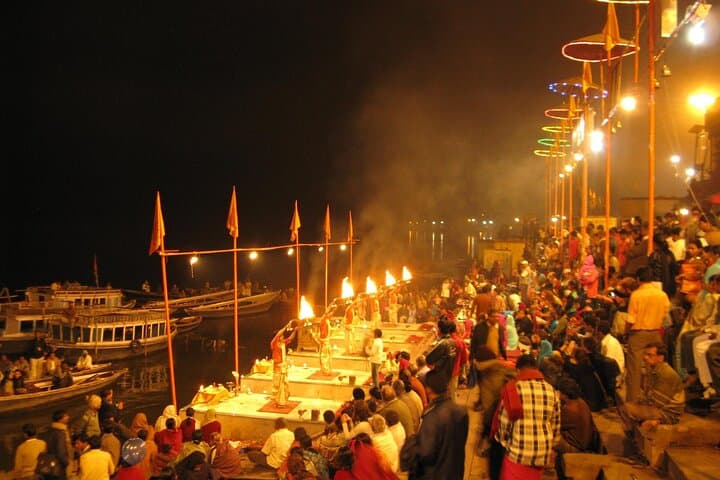

Morning in Delhi arrives with traffic and temple bells—rickshaws thread along Mughal-era lanes while the city’s sandstone monuments catch the sun. On this six-day loop you move from the imperial avenues of New Delhi to the pink ramparts of Jaipur, the marble perfection of the Taj, and the smoke-and-prayer rhythm of Varanasi’s ghats.
Morning in Delhi arrives with traffic and temple bells—rickshaws thread along Mughal-era lanes while the city’s sandstone monuments catch the sun. On this six-day loop you move from the imperial avenues of New Delhi to the pink ramparts of Jaipur, the marble perfection of the Taj, and the smoke-and-prayer rhythm of Varanasi’s ghats.
The route stitches together Mughal and Rajput histories: Humayun’s Tomb and Qutub Minar in Delhi speak to early imperial power; Fatehpur Sikri and Agra Fort show Mughal administrative ambition; Jaipur’s Amber and City Palace reveal Rajput courtcraft. Geologically the plains are alluvial—low elevation, flat travel between towns—while Jaipur’s ridge and Amber Fort give occasional short climbs and broad views. Varanasi’s Ganges is both a living cultural system and an active river landscape, best experienced from a fragile wooden boat at sunrise.
Expect structured sightseeing: hotel pickups in an air-conditioned private car, a pre-dawn visit to the Taj Mahal, an overnight train to Varanasi (1AC), and an included domestic flight back to Delhi. Daily walking ranges from 2–5 miles across uneven streets, monument steps, and stone ghats; early mornings and evenings are busiest and most atmospheric.
Practical guidance: bring sturdy walking shoes, sun protection, a lightweight scarf for temple entrances, and a power bank. Hydrate often and carry a refillable bottle—plastic reduction helps the ghats. Pace your days: plan slower mornings in Varanasi for the boat ride and Aarti, and hold shopping windows in the late afternoons. With basic mobility you can cover the highlights comfortably—this tour trades wilderness for dense cultural immersion.