THE ADVENTURE COLLECTIVE® · Independent discovery and booking for outdoor travel

Cover Delhi, Agra and Jaipur in five days on a compact loop through Mughal tombs, the Taj Mahal and Jaipur’s forts. Early starts and private transport make this itinerary efficient for first-time visitors who want curated history and real street-life moments.
Cover Delhi, Agra and Jaipur in five days on a compact loop through Mughal tombs, the Taj Mahal and Jaipur’s forts. Early starts and private transport make this itinerary efficient for first-time visitors who want curated history and real street-life moments.
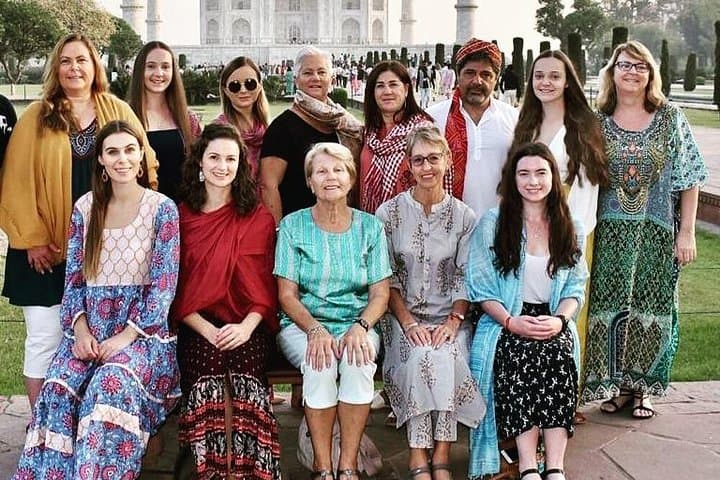
Morning in Old Delhi opens with the city pulling itself upright: rickshaws slip through narrow lanes, vendors wheel steam and spice into the light, and the air carries a sharp edge of cardamom and tobacco. This five-day circuit moves from that urban pulse to the marble hush of the Taj Mahal, then on to the pink-hued streets and forts of Jaipur — a compact route that maps Mughal ambition and Rajput craft across the north Indian plain.
Verified experiences and guided adventures in the surrounding area.
Operated by INDIA through my eyes · New Delhi, Delhi
Morning in Old Delhi opens with the city pulling itself upright: rickshaws slip through narrow lanes, vendors wheel steam and spice into the light, and the air carries a sharp edge of cardamom and tobacco. This five-day circuit moves from that urban pulse to the marble hush of the Taj Mahal, then on to the pink-hued streets and forts of Jaipur — a compact route that maps Mughal ambition and Rajput craft across the north Indian plain.
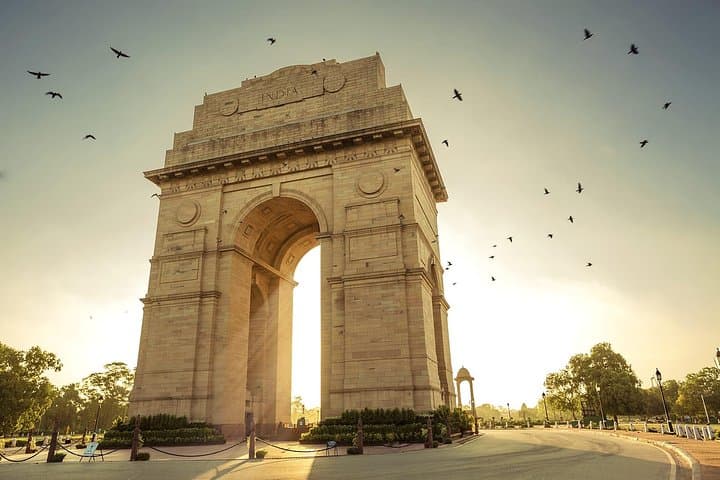
The itinerary threads together key monuments: Jama Masjid and Humayun’s Tomb in Delhi, the sunrise at the Taj and Agra Fort, and Jaipur’s City Palace, Jantar Mantar and Amber Fort. Geologically the region sits on the alluvial Gangetic-plain; rivers like the Yamuna have long shifted soil and shaped the floodplain that makes these cities possible. Culturally the route contrasts Mughal-era marble and pietra dura with later Rajput palaces and living bazaars where artisans still work hand tools learned generations ago.
Practical guidance: plan early starts for major sites to avoid heat and crowds, especially the Taj at sunrise. Expect substantial walking on stone courtyards and uneven steps — comfortable, broken-in shoes matter more than fashion. Carry a refillable water bottle and sunscreen; summers are brutally hot and winters pleasantly cool. Respect dress codes at religious sites (shoulders and knees covered), and book skip-the-line tickets for peak-season travel. Private, air-conditioned transfers between cities reduce fatigue and maximize sightseeing time.
This tour suits travelers who want dense cultural history over a short time, with a mix of guided context and independent exploration.
easy.
5 days.
Suitable for travelers in average fitness—expect several hours of walking on most days with occasional steep steps
Private air‑conditioned transfers and city guides are included per the listing; check specific monument entry fees as some are paid on arrival or included depending on the package.
Many vehicles and some public areas are wheelchair accessible, but historic sites have steps and uneven surfaces—notify the operator in advance to plan accessibility accommodations.
Sunrise offers the best light and lowest crowds; late afternoon can also be attractive but expect more visitors.
International travelers need a valid passport and visa for India; the operator requests passport details at booking for permits and transfers.
The Golden Triangle stitches Mughal-era monuments like the Taj (built by Shah Jahan in the 17th century) with Jaipur, a planned Rajput capital founded by Maharaja Sawai Jai Singh II in 1727.
High visitor numbers at major monuments create wear and pollution pressure; carry reusable water, avoid littering and follow local guidance to limit impact.
INDIA through my eyes operates guided outdoor trips and adventures with an emphasis on safety, stewardship, and memorable experiences.


Morning in Old Delhi opens with the city pulling itself upright: rickshaws slip through narrow lanes, vendors wheel steam and spice into the light, and the air carries a sharp edge of cardamom and tobacco. This five-day circuit moves from that urban pulse to the marble hush of the Taj Mahal, then on to the pink-hued streets and forts of Jaipur — a compact route that maps Mughal ambition and Rajput craft across the north Indian plain.
Morning in Old Delhi opens with the city pulling itself upright: rickshaws slip through narrow lanes, vendors wheel steam and spice into the light, and the air carries a sharp edge of cardamom and tobacco. This five-day circuit moves from that urban pulse to the marble hush of the Taj Mahal, then on to the pink-hued streets and forts of Jaipur — a compact route that maps Mughal ambition and Rajput craft across the north Indian plain.
The itinerary threads together key monuments: Jama Masjid and Humayun’s Tomb in Delhi, the sunrise at the Taj and Agra Fort, and Jaipur’s City Palace, Jantar Mantar and Amber Fort. Geologically the region sits on the alluvial Gangetic-plain; rivers like the Yamuna have long shifted soil and shaped the floodplain that makes these cities possible. Culturally the route contrasts Mughal-era marble and pietra dura with later Rajput palaces and living bazaars where artisans still work hand tools learned generations ago.
Practical guidance: plan early starts for major sites to avoid heat and crowds, especially the Taj at sunrise. Expect substantial walking on stone courtyards and uneven steps — comfortable, broken-in shoes matter more than fashion. Carry a refillable water bottle and sunscreen; summers are brutally hot and winters pleasantly cool. Respect dress codes at religious sites (shoulders and knees covered), and book skip-the-line tickets for peak-season travel. Private, air-conditioned transfers between cities reduce fatigue and maximize sightseeing time.
This tour suits travelers who want dense cultural history over a short time, with a mix of guided context and independent exploration.