THE ADVENTURE COLLECTIVE® · Independent discovery and booking for outdoor travel

A four-day private Golden Triangle tour that moves from Delhi’s imperial monuments to the Taj Mahal’s marble quiet and Jaipur’s hill forts. Expect long drives, early starts, and concentrated cultural immersion across three iconic northern Indian cities.
A four-day private Golden Triangle tour that moves from Delhi’s imperial monuments to the Taj Mahal’s marble quiet and Jaipur’s hill forts. Expect long drives, early starts, and concentrated cultural immersion across three iconic northern Indian cities.
You step from the airport into Delhi’s hot, honking morning—an urban plain that presses outward toward the Yamuna, then gives way two days later to the marble hush of the Taj and the rosy ramparts of Jaipur. The route traces the heart of northern India: New Delhi’s imperial boulevards, Agra’s white-marbled grief, and Jaipur’s pink façades and hilltop forts.
Verified experiences and guided adventures in the surrounding area.
Operated by ITS Holidays · New Delhi, Delhi
You step from the airport into Delhi’s hot, honking morning—an urban plain that presses outward toward the Yamuna, then gives way two days later to the marble hush of the Taj and the rosy ramparts of Jaipur. The route traces the heart of northern India: New Delhi’s imperial boulevards, Agra’s white-marbled grief, and Jaipur’s pink façades and hilltop forts.
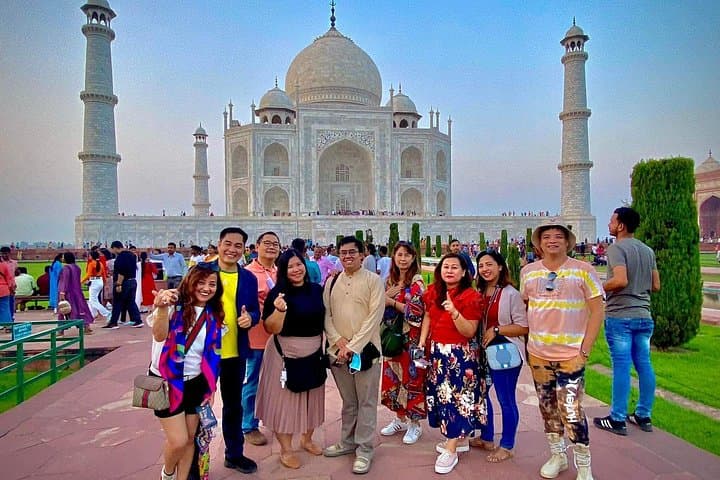
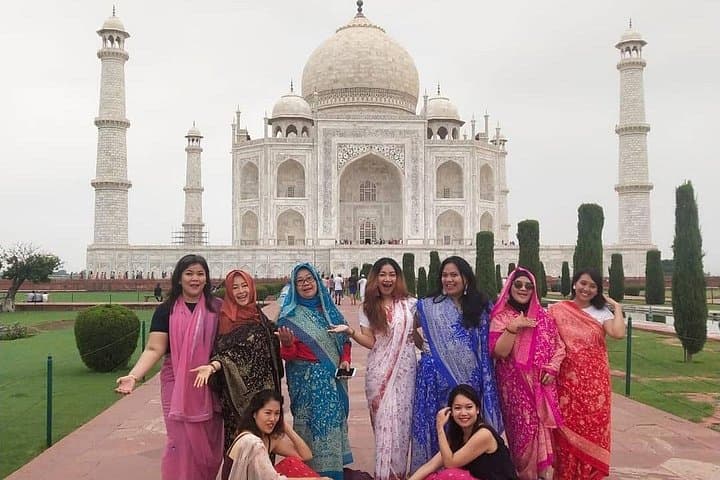
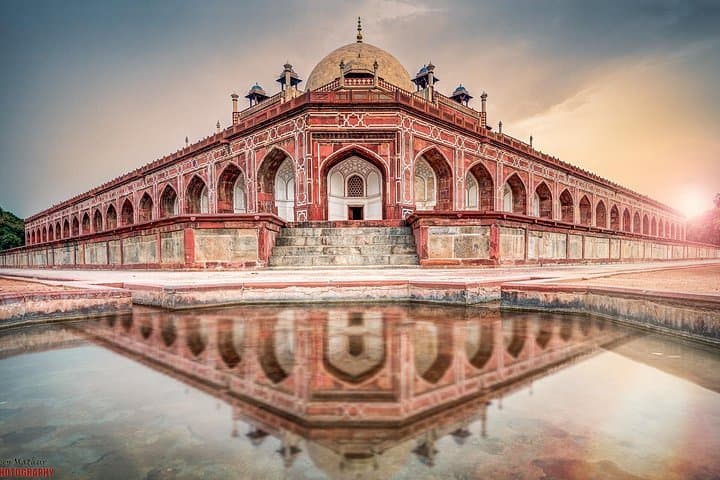
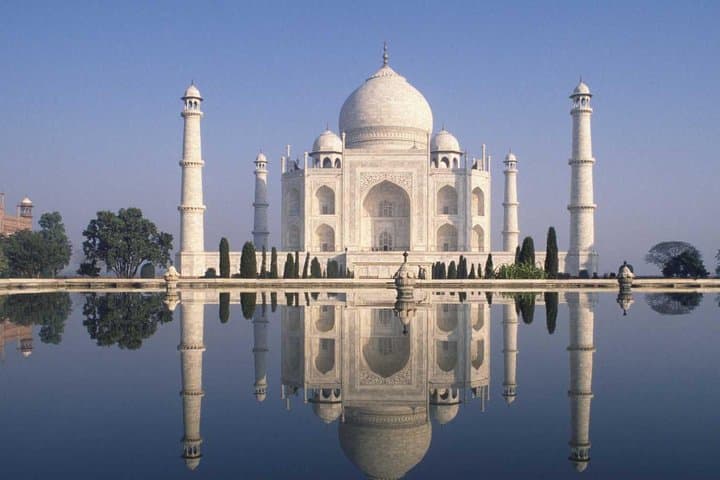
This compact circuit threads Mughal and Rajput histories: Qutub Minar and Humayun’s Tomb speak to early Mughal architecture; Agra Fort and the Taj Mahal are chapters in Shah Jahan’s legacy; Jaipur’s Amer Fort and Jantar Mantar reveal Rajput power and royal astronomy. Geologically the tour crosses the flat Indo-Gangetic plains, river terraces shaped by the Yamuna, with the Aravalli foothills rising near Jaipur—a subtle change in slope that makes Amer Fort feel perched rather than planted.
Culturally, expect markets, architectural detail, and a steady shift in color palettes—from Delhi’s sandstone to Agra’s marble to Jaipur’s painted facades. Local guides translate stories into tangible context: palace politics, craft traditions, and the etiquette of temple and mausoleum visits.
Practical guidance: tours run as early starts and long drives (Delhi–Agra ≈ 230 km; Agra–Jaipur ≈ 240 km). Wear sturdy walking shoes for uneven fort and monument surfaces, carry sun protection and a refillable water bottle—temperatures can spike. Bring photo ID for monument entry, modest clothing for religious sites, and small bills for local purchases. Plan sightseeing in cool daylight hours to avoid crowds and midday heat; the private transfer model conserves time but be prepared for several short walks and steps at heritage sites.
moderate.
4 days.
Moderate fitness: able to handle several hours of walking across uneven monument grounds and short stair sections each day.
Admissions vary by site—some visits list admission not included; confirm with the operator before travel so you can budget for tickets and any required timed entries.
Round-trip private transfers are included according to the itinerary; you’ll provide flight details at booking for coordinated pickup times.
Children can join but expect long drives and multiple stair sections; travelers with spinal or serious heart conditions are discouraged per the operator’s advisories.
The provider notes a formal dress code; in practice modest, neat clothing is expected at religious sites and many heritage locations—avoid revealing garments.
The Golden Triangle links Mughal-era capitals and Rajput strongholds—each city preserves different layers of imperial power, from Humayun’s Persianate tomb to Shah Jahan’s marble monuments and Jaipur’s planned royal city.
High visitor numbers stress fragile sites; follow barrier rules, avoid touching delicate inlay work, and use water responsibly—local programs prioritize monument conservation and sustainable tourism.
ITS Holidays operates guided outdoor trips and adventures with an emphasis on safety, stewardship, and memorable experiences.
You step from the airport into Delhi’s hot, honking morning—an urban plain that presses outward toward the Yamuna, then gives way two days later to the marble hush of the Taj and the rosy ramparts of Jaipur. The route traces the heart of northern India: New Delhi’s imperial boulevards, Agra’s white-marbled grief, and Jaipur’s pink façades and hilltop forts.
You step from the airport into Delhi’s hot, honking morning—an urban plain that presses outward toward the Yamuna, then gives way two days later to the marble hush of the Taj and the rosy ramparts of Jaipur. The route traces the heart of northern India: New Delhi’s imperial boulevards, Agra’s white-marbled grief, and Jaipur’s pink façades and hilltop forts.
This compact circuit threads Mughal and Rajput histories: Qutub Minar and Humayun’s Tomb speak to early Mughal architecture; Agra Fort and the Taj Mahal are chapters in Shah Jahan’s legacy; Jaipur’s Amer Fort and Jantar Mantar reveal Rajput power and royal astronomy. Geologically the tour crosses the flat Indo-Gangetic plains, river terraces shaped by the Yamuna, with the Aravalli foothills rising near Jaipur—a subtle change in slope that makes Amer Fort feel perched rather than planted.
Culturally, expect markets, architectural detail, and a steady shift in color palettes—from Delhi’s sandstone to Agra’s marble to Jaipur’s painted facades. Local guides translate stories into tangible context: palace politics, craft traditions, and the etiquette of temple and mausoleum visits.
Practical guidance: tours run as early starts and long drives (Delhi–Agra ≈ 230 km; Agra–Jaipur ≈ 240 km). Wear sturdy walking shoes for uneven fort and monument surfaces, carry sun protection and a refillable water bottle—temperatures can spike. Bring photo ID for monument entry, modest clothing for religious sites, and small bills for local purchases. Plan sightseeing in cool daylight hours to avoid crowds and midday heat; the private transfer model conserves time but be prepared for several short walks and steps at heritage sites.