THE ADVENTURE COLLECTIVE® · Independent discovery and booking for outdoor travel

Three days across Delhi, Agra and Jaipur condense Mughal tombs, the Taj Mahal and Rajput palaces into a tightly run cultural circuit. This guide outlines what you'll see, how to prepare, and practical tips for making the most of each stop.
Three days across Delhi, Agra and Jaipur condense Mughal tombs, the Taj Mahal and Rajput palaces into a tightly run cultural circuit. This guide outlines what you'll see, how to prepare, and practical tips for making the most of each stop.
Step from Delhi's humid, horn-scored streets into a morning of white marble and red sandstone—a three-day circuit that pushes you through centuries of empire and everyday life.
Verified experiences and guided adventures in the surrounding area.
Operated by Divyan Holidays · New Delhi, Delhi
Step from Delhi's humid, horn-scored streets into a morning of white marble and red sandstone—a three-day circuit that pushes you through centuries of empire and everyday life.
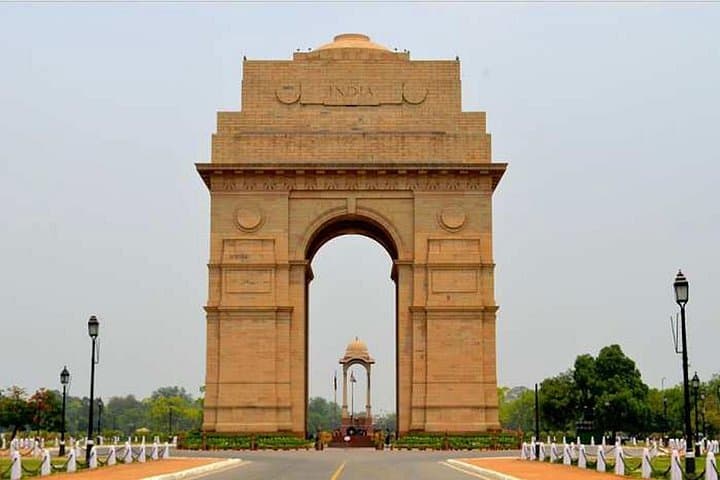
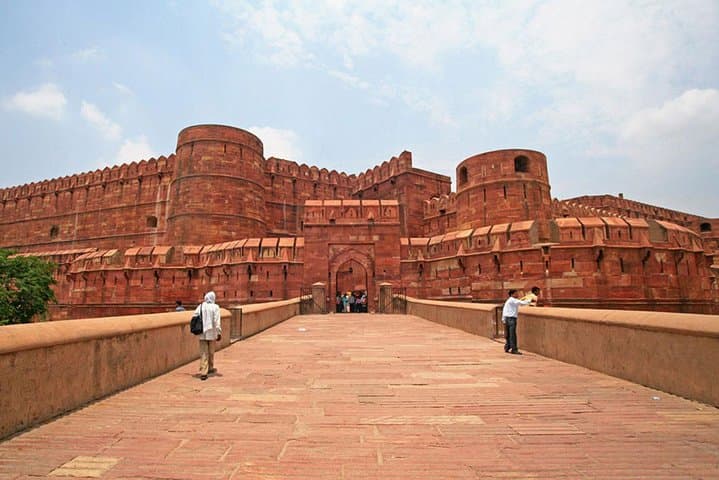
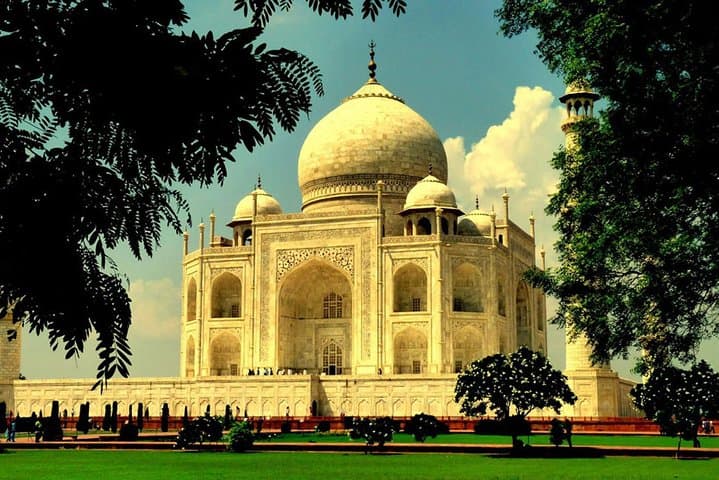
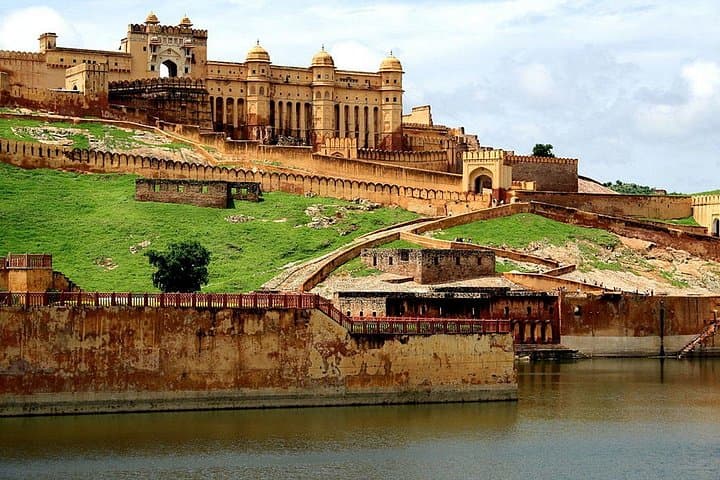
The itinerary threads New Delhi's imperial boulevards and Mughal monuments with Agra's riverside silhouette of the Taj Mahal and the fortified ramparts of Agra Fort, then climbs into Jaipur's ochre-pink streets and hillside Amber Fort. History here is physical: Mughal domes and Rajput ramparts mapped across a plain carved by the Yamuna and backed by the low Aravalli ridgeline.
Expect architecture more than geology — the region sits on alluvial plains, so travel is road-based between cultural sites. Culturally, markets matter: bazaars pulse with textiles, spices and street-food vendors, and bargaining is part of the rhythm. Religious and royal histories intersect at sites like Humayun’s Tomb, Fatehpur Sikri and Jantar Mantar, each carrying practical stories of power, astronomy and water management.
Practical guidance: plan early starts—sunrise at the Taj reduces crowds and softens the marble’s glare. Modest, layered clothing speeds security checks and respects local norms; comfortable closed shoes handle courtyards and uneven stone. The tour is primarily seated transport with short walking segments at each stop, so bring a compact daypack, refillable water and cash for market purchases and optional rickshaw rides. Expect guided commentary in English and a private air-conditioned vehicle between cities. Security checks and entry queues are normal—factor extra time for photography and ticket lines. With mindful pacing, the Golden Triangle compresses three major chapters of northern India into a readable, tightly managed cultural circuit.
moderate.
3 days.
Suitable for travelers with basic mobility — short walks, stairs and extended standing at sites; minimal endurance required.
This tour listing notes sightseeing by car and guide but typically does not include monument admission fees; confirm with the operator before booking.
Pickup and drop-off are included; the operator arranges private transfers between your Delhi pickup point and final drop-off as listed.
Walks are short to moderate — expect courtyard wandering and staircases at forts; comfortable mobility is advised but strenuous hiking is not required.
The itinerary specifies an English-speaking guide; request other languages when booking if needed.
The Golden Triangle links Mughal and Rajput eras—sites like Fatehpur Sikri and Agra Fort reflect imperial planning, while Jaipur’s grid and observatory date to 18th-century royal urbanism.
High visitor numbers strain monuments and water resources; use refillable bottles, follow signposted paths and avoid feeding animals to reduce impact.
Divyan Holidays operates guided outdoor trips and adventures with an emphasis on safety, stewardship, and memorable experiences.
Step from Delhi's humid, horn-scored streets into a morning of white marble and red sandstone—a three-day circuit that pushes you through centuries of empire and everyday life.
Step from Delhi's humid, horn-scored streets into a morning of white marble and red sandstone—a three-day circuit that pushes you through centuries of empire and everyday life.
The itinerary threads New Delhi's imperial boulevards and Mughal monuments with Agra's riverside silhouette of the Taj Mahal and the fortified ramparts of Agra Fort, then climbs into Jaipur's ochre-pink streets and hillside Amber Fort. History here is physical: Mughal domes and Rajput ramparts mapped across a plain carved by the Yamuna and backed by the low Aravalli ridgeline.
Expect architecture more than geology — the region sits on alluvial plains, so travel is road-based between cultural sites. Culturally, markets matter: bazaars pulse with textiles, spices and street-food vendors, and bargaining is part of the rhythm. Religious and royal histories intersect at sites like Humayun’s Tomb, Fatehpur Sikri and Jantar Mantar, each carrying practical stories of power, astronomy and water management.
Practical guidance: plan early starts—sunrise at the Taj reduces crowds and softens the marble’s glare. Modest, layered clothing speeds security checks and respects local norms; comfortable closed shoes handle courtyards and uneven stone. The tour is primarily seated transport with short walking segments at each stop, so bring a compact daypack, refillable water and cash for market purchases and optional rickshaw rides. Expect guided commentary in English and a private air-conditioned vehicle between cities. Security checks and entry queues are normal—factor extra time for photography and ticket lines. With mindful pacing, the Golden Triangle compresses three major chapters of northern India into a readable, tightly managed cultural circuit.