THE ADVENTURE COLLECTIVE® · Independent discovery and booking for outdoor travel

A brisk, three-day circuit through Delhi, Agra and Jaipur that delivers the Taj Mahal, Agra Fort and Jaipur’s hilltop palaces. Ideal for travelers who want concentrated cultural highlights with practical logistics handled by a private vehicle.
A brisk, three-day circuit through Delhi, Agra and Jaipur that delivers the Taj Mahal, Agra Fort and Jaipur’s hilltop palaces. Ideal for travelers who want concentrated cultural highlights with practical logistics handled by a private vehicle.
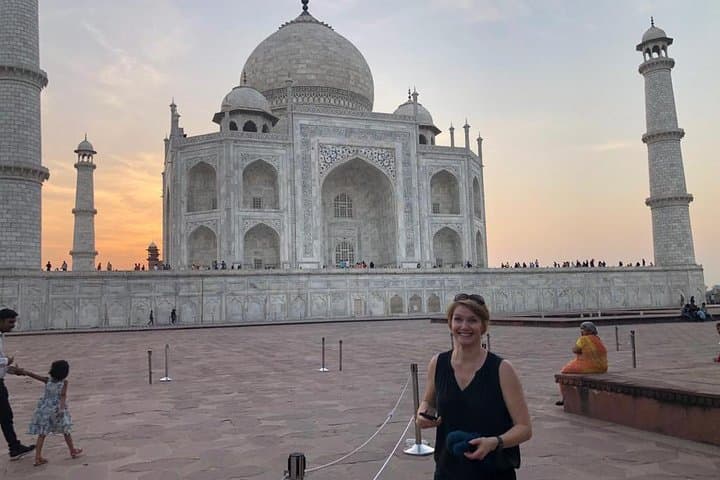
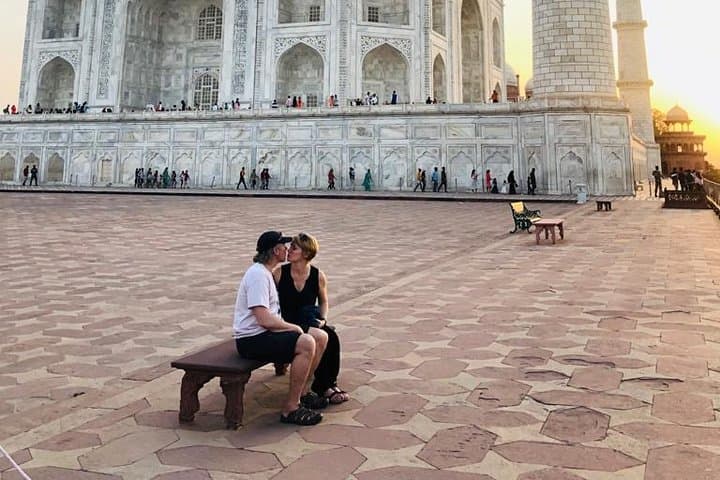
Morning breaks over a highway as the city gives way to sparser fields; the car hums and the Taj Mahal’s marble waits on the riverbank like a held breath.
Verified experiences and guided adventures in the surrounding area.
Operated by Masterji kee haveli dot com · New Delhi, Delhi
Morning breaks over a highway as the city gives way to sparser fields; the car hums and the Taj Mahal’s marble waits on the riverbank like a held breath.
This compact 3-day loop links New Delhi's broad avenues, Agra's Mughal-era masterpieces, and Jaipur's hilltop forts. Travelers move by private vehicle between sites, arriving to the Taj Mahal at the Yamuna's edge, the layered red sandstone of Agra Fort, and Jaipur’s Amer Fort perched above the plain. Geologically, the Taj’s white Makrana marble contrasts with the local sandstone used across Rajasthan, a visible lesson in the region’s material history.
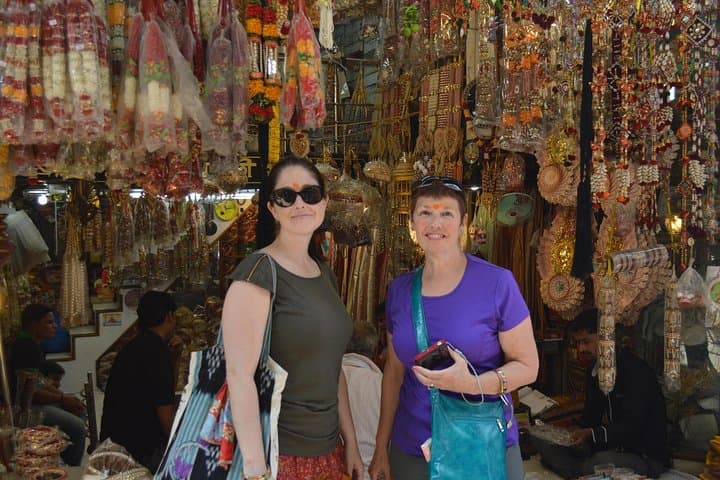
Culture here is a layered story: Mughal courtcraft left tombs and gardens; Rajput rulers shaped palaces and astronomical instruments such as Jaipur’s Jantar Mantar. Market streets pulse with shoe-makers, textiles, and artisan workshops—useful places to observe craft traditions rather than impulse-shop.
Practically, expect long days of walking on uneven surfaces and stairs. Start early at monuments to avoid heat and crowds; mid‑day in summer is best spent in shaded cafés or inside museums. Tickets for major sites are often bought separately; confirm admissions before you arrive. Carry a reusable water bottle, sun protection, and comfortable shoes with good tread. Local drivers handle intercity logistics, but allow padding for traffic and security checks. Respect site rules—no drones, limited photography in some interiors—and consider hiring a licensed guide for historical context.
The route is manageable for most travelers and rewards with concentrated encounters of history, architecture, and living craft traditions across three very different cities.
easy.
3 days.
Suitable for travelers with basic mobility; be prepared for multiple short walks and stair climbs each day.
No; major admission fees such as the Taj Mahal, Agra Fort, Amer Fort and Jantar Mantar are typically not included and should be purchased separately or coordinated in advance.
The operator indicates wheelchair accessibility, but many historic sites have stairs and uneven ground; check access at each monument and notify the operator of specific needs.
There is limited free time for shopping—merchants offer handicrafts and leather goods, but the tour emphasizes sightseeing; plan extra days if shopping is a priority.
Tipping guides, drivers and porters is customary; small cash tips are appreciated and practical for local staff.
The route stitches Mughal-era Agra (17th century) with Jaipur’s 18th-century planned city and earlier Rajput seats; many monuments were court projects that signaled power through architecture.
High visitor numbers and urban pollution strain monuments; follow site rules, avoid single‑use plastics, and support licensed guides and local conservation fees when available.
Masterji kee haveli dot com operates guided outdoor trips and adventures with an emphasis on safety, stewardship, and memorable experiences.

Morning breaks over a highway as the city gives way to sparser fields; the car hums and the Taj Mahal’s marble waits on the riverbank like a held breath.
Morning breaks over a highway as the city gives way to sparser fields; the car hums and the Taj Mahal’s marble waits on the riverbank like a held breath.
This compact 3-day loop links New Delhi's broad avenues, Agra's Mughal-era masterpieces, and Jaipur's hilltop forts. Travelers move by private vehicle between sites, arriving to the Taj Mahal at the Yamuna's edge, the layered red sandstone of Agra Fort, and Jaipur’s Amer Fort perched above the plain. Geologically, the Taj’s white Makrana marble contrasts with the local sandstone used across Rajasthan, a visible lesson in the region’s material history.
Culture here is a layered story: Mughal courtcraft left tombs and gardens; Rajput rulers shaped palaces and astronomical instruments such as Jaipur’s Jantar Mantar. Market streets pulse with shoe-makers, textiles, and artisan workshops—useful places to observe craft traditions rather than impulse-shop.
Practically, expect long days of walking on uneven surfaces and stairs. Start early at monuments to avoid heat and crowds; mid‑day in summer is best spent in shaded cafés or inside museums. Tickets for major sites are often bought separately; confirm admissions before you arrive. Carry a reusable water bottle, sun protection, and comfortable shoes with good tread. Local drivers handle intercity logistics, but allow padding for traffic and security checks. Respect site rules—no drones, limited photography in some interiors—and consider hiring a licensed guide for historical context.
The route is manageable for most travelers and rewards with concentrated encounters of history, architecture, and living craft traditions across three very different cities.