THE ADVENTURE COLLECTIVE® · Independent discovery and booking for outdoor travel

Cover Delhi, Agra and Jaipur in four tidy days by fast, air‑conditioned trains. See the Taj at sunrise, explore Mughal forts and Rajput palaces, and move between sites efficiently with guided transfers.
Cover Delhi, Agra and Jaipur in four tidy days by fast, air‑conditioned trains. See the Taj at sunrise, explore Mughal forts and Rajput palaces, and move between sites efficiently with guided transfers.
The platform hums before dawn as a fast, air‑conditioned train slides out of New Delhi — a clean, quick ribbon connecting three very different worlds. In four days you trade city bustle for Mughal marble and Rajput ramparts, watching the landscape change from congested avenues to the slow current of the Yamuna and the scrubby rise of Rajasthan’s hills.
Verified experiences and guided adventures in the surrounding area.
Operated by Holiday Tours And Travels · New Delhi, Delhi
The platform hums before dawn as a fast, air‑conditioned train slides out of New Delhi — a clean, quick ribbon connecting three very different worlds. In four days you trade city bustle for Mughal marble and Rajput ramparts, watching the landscape change from congested avenues to the slow current of the Yamuna and the scrubby rise of Rajasthan’s hills.
This route threads imperial history and architecture: Humayun’s Tomb and Qutub Minar in Delhi speak to early Mughal power; Agra’s Taj Mahal and Agra Fort record 16th–17th century stonecraft and funerary ritual; Jaipur’s Amer Fort, Hawa Mahal and City Palace show Rajput urban planning and astronomy (Jantar Mantar). Geologically, you’ll move from the alluvial plains around the Yamuna into drier, lateritic soils edging the Aravalli foothills.
Culturally expect markets that push and plead for your attention, street food that defines timing and place, and guides whose local knowledge clarifies centuries in a few sentences. Train legs are efficient: Delhi–Agra ~2–3 hours (≈200 km), Agra–Jaipur ~4–5 hours (≈240 km), Jaipur–Delhi ~4–5 hours (≈280 km).
Practical guidance: pack day‑packs for monument walks (many sites require shoes to be removed or covered), schedule sunrise at the Taj for softer light and smaller crowds, and allow time for security checks. Hydrate rigorously — summer heat is relentless — and carry photocopies of passport/visa. Comfortable walking shoes and layered clothing make long touring days manageable. With efficient trains and local transfers, the itinerary delivers big sights with minimal transit fatigue.
easy.
4 days.
Suitable for travelers in average fitness—days involve several hours of walking and stairs at forts and palaces.
Train tickets are included with this product; choose tour options carefully—some include transfers and hotels, others provide trains only.
Most international visitors need an Indian visa—check your country’s requirements and carry passport details required at booking.
Yes—physical requirements are easy, but infants must sit on an adult’s lap on trains and many sites require vigilance near stairs and platforms.
The operator offers multiple options (train only, train with transfers and sightseeing, and packages with 3‑ or 4‑star hotels); specify preferences at booking.
The route traces Mughal court power and later Rajput statecraft: Delhi and Agra grew under Mughal emperors; Jaipur was planned in 1727 by Maharaja Sawai Jai Singh II.
High visitor numbers strain monuments and local water resources—use refillable bottles, obey site rules, and avoid flash photography where restricted.
Holiday Tours And Travels operates guided outdoor trips and adventures with an emphasis on safety, stewardship, and memorable experiences.
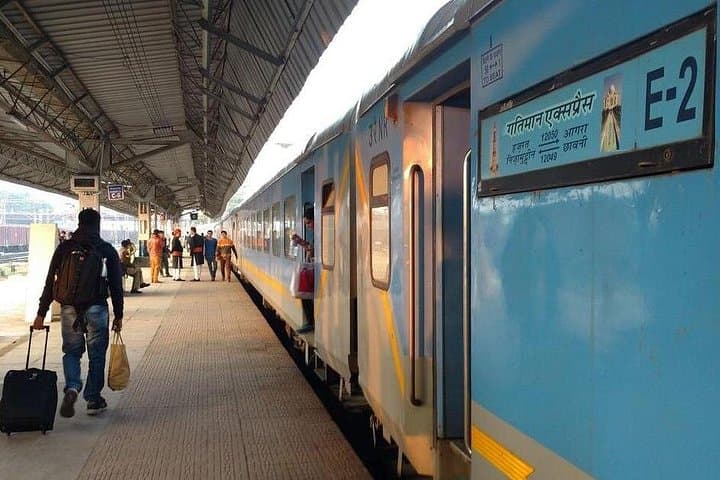
The platform hums before dawn as a fast, air‑conditioned train slides out of New Delhi — a clean, quick ribbon connecting three very different worlds. In four days you trade city bustle for Mughal marble and Rajput ramparts, watching the landscape change from congested avenues to the slow current of the Yamuna and the scrubby rise of Rajasthan’s hills.
The platform hums before dawn as a fast, air‑conditioned train slides out of New Delhi — a clean, quick ribbon connecting three very different worlds. In four days you trade city bustle for Mughal marble and Rajput ramparts, watching the landscape change from congested avenues to the slow current of the Yamuna and the scrubby rise of Rajasthan’s hills.
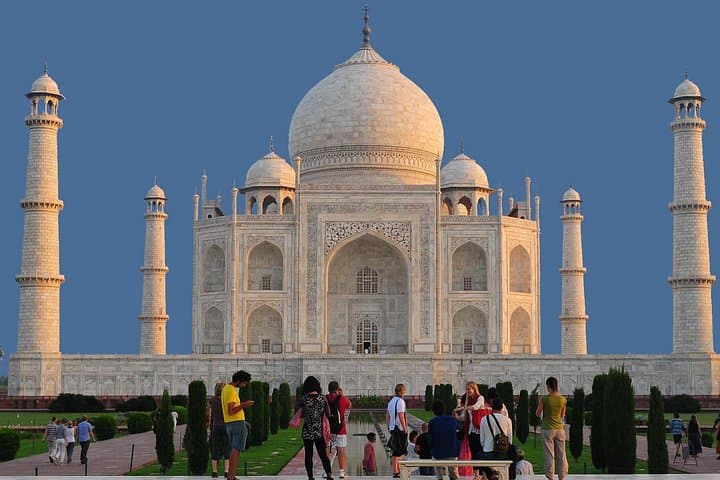
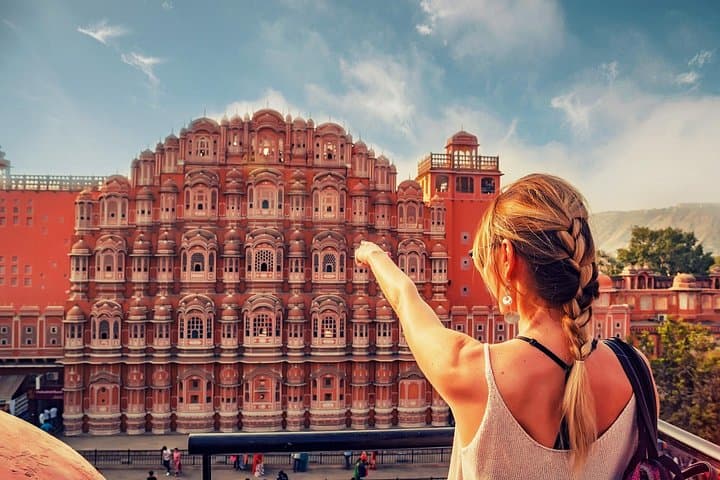
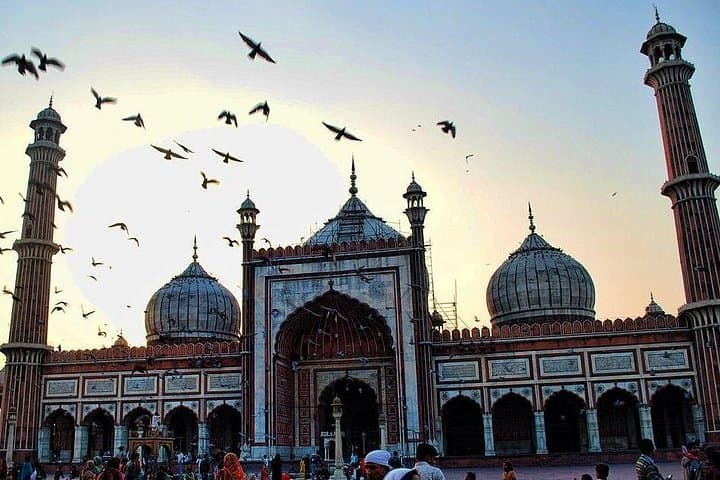
This route threads imperial history and architecture: Humayun’s Tomb and Qutub Minar in Delhi speak to early Mughal power; Agra’s Taj Mahal and Agra Fort record 16th–17th century stonecraft and funerary ritual; Jaipur’s Amer Fort, Hawa Mahal and City Palace show Rajput urban planning and astronomy (Jantar Mantar). Geologically, you’ll move from the alluvial plains around the Yamuna into drier, lateritic soils edging the Aravalli foothills.
Culturally expect markets that push and plead for your attention, street food that defines timing and place, and guides whose local knowledge clarifies centuries in a few sentences. Train legs are efficient: Delhi–Agra ~2–3 hours (≈200 km), Agra–Jaipur ~4–5 hours (≈240 km), Jaipur–Delhi ~4–5 hours (≈280 km).
Practical guidance: pack day‑packs for monument walks (many sites require shoes to be removed or covered), schedule sunrise at the Taj for softer light and smaller crowds, and allow time for security checks. Hydrate rigorously — summer heat is relentless — and carry photocopies of passport/visa. Comfortable walking shoes and layered clothing make long touring days manageable. With efficient trains and local transfers, the itinerary delivers big sights with minimal transit fatigue.