THE ADVENTURE COLLECTIVE® · Independent discovery and booking for outdoor travel

Experience the contrasts of northern Thailand on a long day trip from Chiang Mai: surreal art at the White Temple, the geopolitical sweep of the Golden Triangle, and a cultural visit to a Karen long‑neck village with an optional Mekong boat ride.
Experience the contrasts of northern Thailand on a long day trip from Chiang Mai: surreal art at the White Temple, the geopolitical sweep of the Golden Triangle, and a cultural visit to a Karen long‑neck village with an optional Mekong boat ride.
The day opens before dawn as the minivan slips out of Chiang Mai and climbs toward the pale light of northern Thailand. Rice paddies blur past; the air cools and, hours later, the White Temple appears like a carving of frost—its white plaster catching sun like a coin.
Verified experiences and guided adventures in the surrounding area.
Operated by Sightseeing Pattaya · Chiang Rai, Chiang Rai Province
The day opens before dawn as the minivan slips out of Chiang Mai and climbs toward the pale light of northern Thailand. Rice paddies blur past; the air cools and, hours later, the White Temple appears like a carving of frost—its white plaster catching sun like a coin.
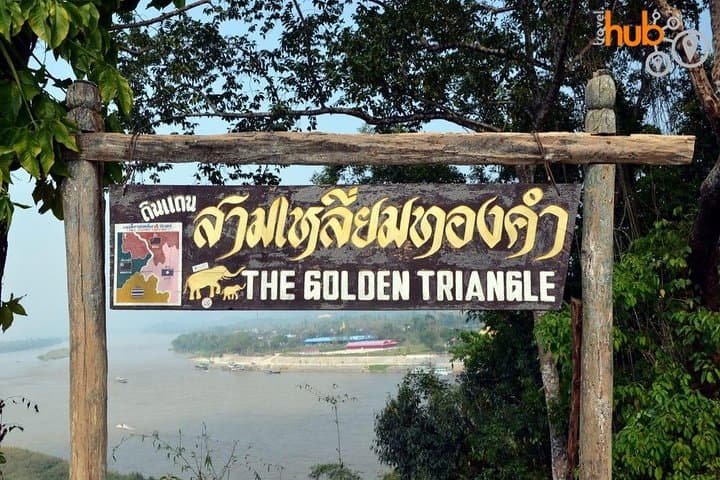
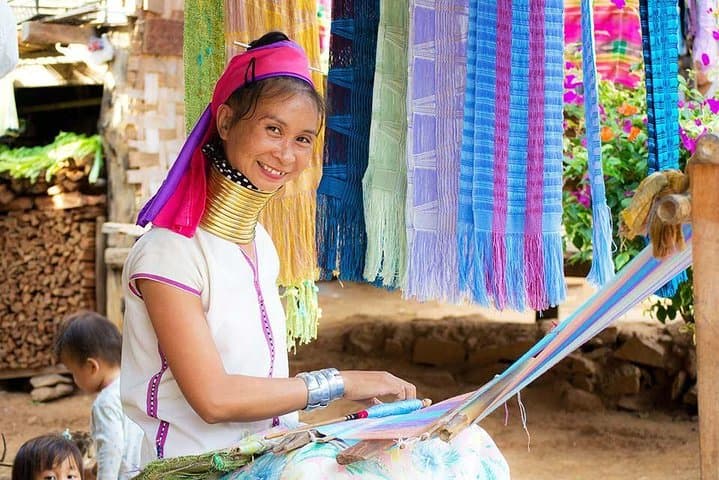
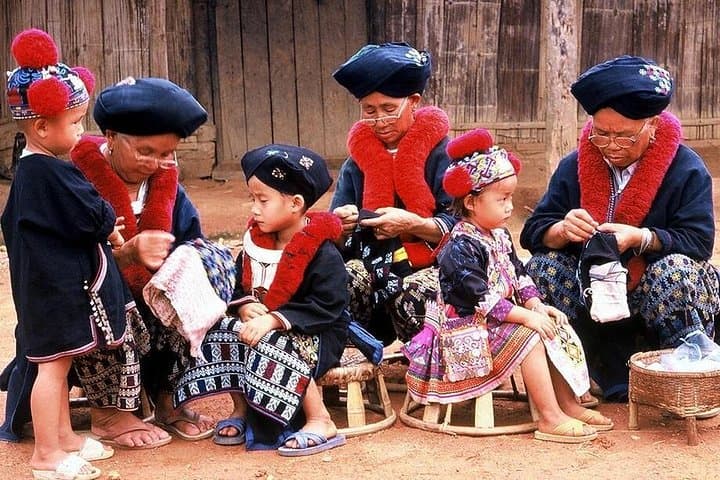
Chiang Rai sits at a cultural crossroads. The Golden Triangle marks where the Ruak and Mekong rivers meet and where the borders of Thailand, Laos and Myanmar converge—an area shaped by riverine geology and centuries of trade and migration. Wat Rong Khun (the White Temple) is a modern artistic statement by Chalermchai Kositpipat, mixing Buddhist symbolism with surreal contemporary imagery. Nearby hill-tribe communities, including Karen (Padaung), maintain distinctive customs such as brass neck rings—practices tied to identity and local history, though viewed today through complex ethical debates.
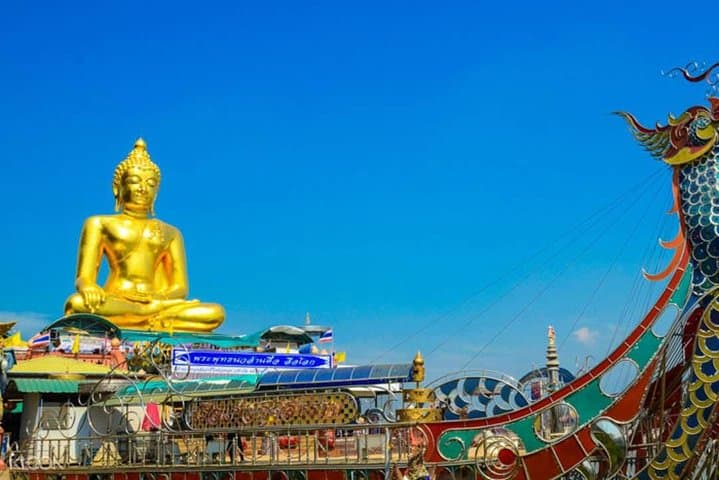
On the river, the Mekong moves with intent, pushing boats toward the Lao bank; the boat ride offers a close-up of the water’s texture and border life. Temple steps climb to panoramic viewpoints where plains unfurl and haze softens distant ridgelines.
Practical guidance: this is a long day—expect 12–13 hours with multiple short walks and stair climbs. Bring cash for small purchases and donations, wear sturdy walking shoes for temple steps and uneven village paths, and dress respectfully (covered shoulders and knees) for religious and cultural sites. Hydration and sun protection matter—the highland sun is direct. Respect residents’ privacy in villages; ask before photographing. The trip balances scenic vistas, striking contemporary art, and a focused cultural encounter—plan for sensory contrasts and an ethical, observant approach to visiting living communities.
easy.
12–13 hours.
Suitable for average fitness; requires short walks, stair climbs at temples, and tolerance for a long day in a vehicle
Expect a full-day excursion—typically about 12–13 hours round trip including stops; departure is early morning and return in the evening.
Boat access across the Mekong to view the Lao bank is offered as part of the itinerary; border entry beyond the river requires proper documentation.
Visits vary; many villages participate in tourism for income. Be respectful, minimize intrusive photography, and avoid treating residents as exhibits—ask guides about community practices and fees that support locals.
The tour typically includes buffet lunch and admissions listed in the itinerary (e.g., White Temple, Golden Triangle sites); confirm specifics with the operator before booking.
The Golden Triangle’s modern identity grew from historic cross-border trade and opium trafficking; temples like Wat Rong Khun reflect recent cultural revival and private patronage in Chiang Rai.
Tourism can strain small communities and river ecosystems—support vendors using fair practices, avoid single‑use plastics, and follow guides’ directions to reduce impact.
Sightseeing Pattaya operates guided outdoor trips and adventures with an emphasis on safety, stewardship, and memorable experiences.
The day opens before dawn as the minivan slips out of Chiang Mai and climbs toward the pale light of northern Thailand. Rice paddies blur past; the air cools and, hours later, the White Temple appears like a carving of frost—its white plaster catching sun like a coin.
The day opens before dawn as the minivan slips out of Chiang Mai and climbs toward the pale light of northern Thailand. Rice paddies blur past; the air cools and, hours later, the White Temple appears like a carving of frost—its white plaster catching sun like a coin.
Chiang Rai sits at a cultural crossroads. The Golden Triangle marks where the Ruak and Mekong rivers meet and where the borders of Thailand, Laos and Myanmar converge—an area shaped by riverine geology and centuries of trade and migration. Wat Rong Khun (the White Temple) is a modern artistic statement by Chalermchai Kositpipat, mixing Buddhist symbolism with surreal contemporary imagery. Nearby hill-tribe communities, including Karen (Padaung), maintain distinctive customs such as brass neck rings—practices tied to identity and local history, though viewed today through complex ethical debates.
On the river, the Mekong moves with intent, pushing boats toward the Lao bank; the boat ride offers a close-up of the water’s texture and border life. Temple steps climb to panoramic viewpoints where plains unfurl and haze softens distant ridgelines.
Practical guidance: this is a long day—expect 12–13 hours with multiple short walks and stair climbs. Bring cash for small purchases and donations, wear sturdy walking shoes for temple steps and uneven village paths, and dress respectfully (covered shoulders and knees) for religious and cultural sites. Hydration and sun protection matter—the highland sun is direct. Respect residents’ privacy in villages; ask before photographing. The trip balances scenic vistas, striking contemporary art, and a focused cultural encounter—plan for sensory contrasts and an ethical, observant approach to visiting living communities.