THE ADVENTURE COLLECTIVE® · Independent discovery and booking for outdoor travel

Spend a full day from Chiang Rai exploring the Golden Triangle viewpoint, Lanna temples, hill-tribe villages and a visa-free Laos border market. This accessible 10–11 hour tour blends easy sightseeing with cultural history and practical local stops.
Spend a full day from Chiang Rai exploring the Golden Triangle viewpoint, Lanna temples, hill-tribe villages and a visa-free Laos border market. This accessible 10–11 hour tour blends easy sightseeing with cultural history and practical local stops.
A predawn pickup in Chiang Rai, a cool van, and a guide who knows the roads: by midmorning you’re following the Kok River where fish-silver water pushes against the shore and the landscape opens to a three-country view. From the Golden Triangle viewpoint the Mekong and Ruak rivers argue for space, Myanmar’s ragged hills sit opposite Laos’ low terraces, and the wind carries the distant calls of market vendors.
Verified experiences and guided adventures in the surrounding area.
Operated by Benja Tepin · Chiang Rai, Chiang Rai Province
A predawn pickup in Chiang Rai, a cool van, and a guide who knows the roads: by midmorning you’re following the Kok River where fish-silver water pushes against the shore and the landscape opens to a three-country view. From the Golden Triangle viewpoint the Mekong and Ruak rivers argue for space, Myanmar’s ragged hills sit opposite Laos’ low terraces, and the wind carries the distant calls of market vendors.
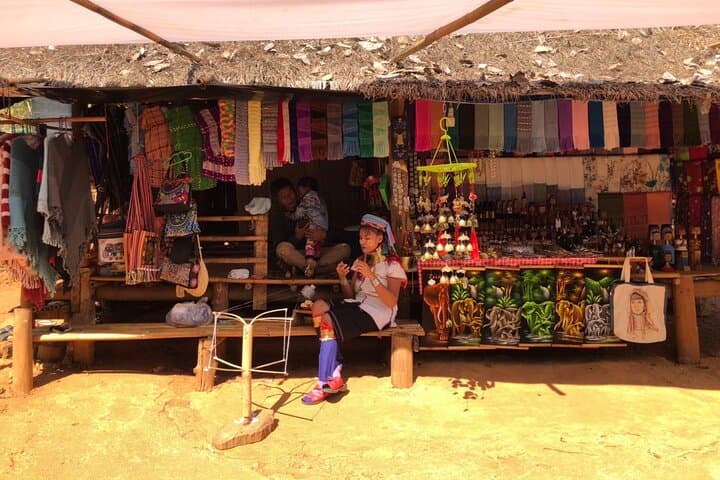
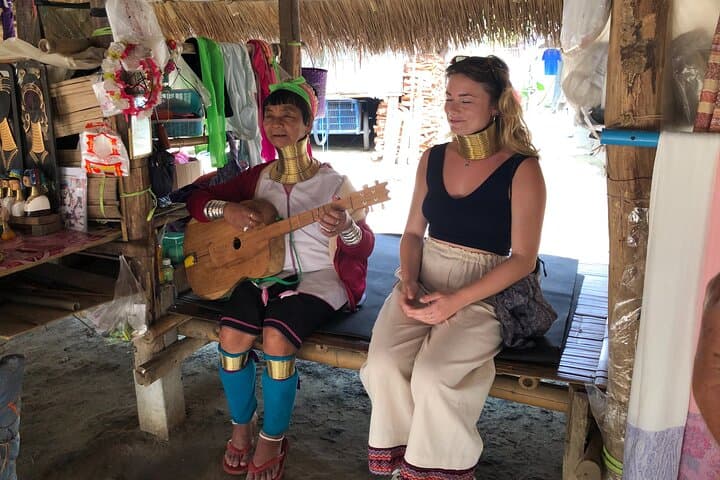
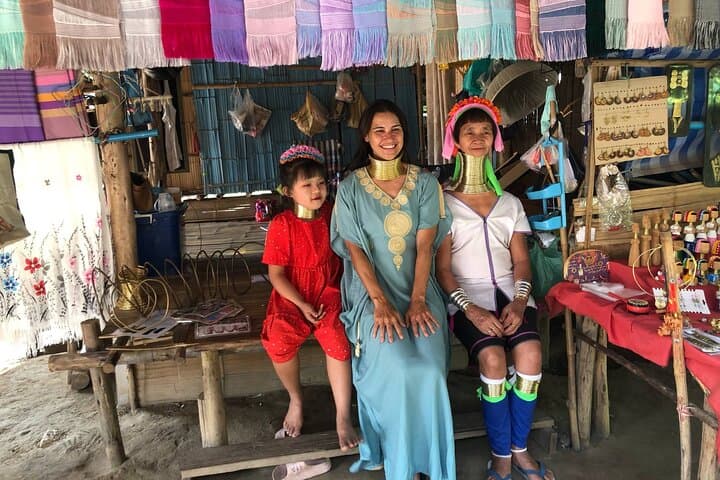
This corridor has layered meaning — geologically young river valleys carved through northern Thailand, historically a crossroads of the Lanna kingdom and, more recently, the region once tied to opium trade routes. Cultural traces pile up along the route: Lanna-style temples with tiled roofs and mirrored mosaics, hill-tribe villages where Long Neck Karen and other groups sell woven goods, and a small private museum cataloguing the area’s opium-era past and local crafts.
On a single 10–11 hour day you’ll stop at Wat Rong Khun’s white, mirror-studded facade and the vivid blue of Wat Rong Suea Ten, walk Chiang Saen’s older temple sites among teak and ruins, step into a border market in Laos without a visa for a brief visit, and learn at the museum about the region’s recent history.
Practical notes: the tour runs in an air-conditioned van with bottled water and travel insurance, minimal walking required, and flexible timing for slower groups. Dress modestly for temples (shoulders and knees covered), carry your passport (and a photocopy), bring sun protection and small change for markets, and pace the day — rest stops are frequent but facilities vary.
easy.
10–11 hours.
Minimal fitness required; suitable for older travelers and those comfortable with a full day in a vehicle and several short walks
Most short visits to the Laos border market arranged by day tours do not require a visa, but rules change—bring your passport and confirm entry requirements with the operator before travel.
Yes—this itinerary is designed for minimal walking with vehicle transport, frequent stops, and flexible timing to accommodate slower groups.
Temples have visitor areas and basic facilities; however standards vary—carry tissues and small change for donations or small fees.
Guides typically speak Thai and English; local vendors may use limited English—your guide can translate and assist with purchases.
The Golden Triangle sits at the meeting point of historic trade routes and was a center of opium production and commerce before regional eradication efforts and development shifted local economies.
Support community-run sellers, avoid products made from endangered wildlife, and follow local guidance to minimize impact on village life and riverbanks.
Benja Tepin operates guided outdoor trips and adventures with an emphasis on safety, stewardship, and memorable experiences.

A predawn pickup in Chiang Rai, a cool van, and a guide who knows the roads: by midmorning you’re following the Kok River where fish-silver water pushes against the shore and the landscape opens to a three-country view. From the Golden Triangle viewpoint the Mekong and Ruak rivers argue for space, Myanmar’s ragged hills sit opposite Laos’ low terraces, and the wind carries the distant calls of market vendors.
A predawn pickup in Chiang Rai, a cool van, and a guide who knows the roads: by midmorning you’re following the Kok River where fish-silver water pushes against the shore and the landscape opens to a three-country view. From the Golden Triangle viewpoint the Mekong and Ruak rivers argue for space, Myanmar’s ragged hills sit opposite Laos’ low terraces, and the wind carries the distant calls of market vendors.
This corridor has layered meaning — geologically young river valleys carved through northern Thailand, historically a crossroads of the Lanna kingdom and, more recently, the region once tied to opium trade routes. Cultural traces pile up along the route: Lanna-style temples with tiled roofs and mirrored mosaics, hill-tribe villages where Long Neck Karen and other groups sell woven goods, and a small private museum cataloguing the area’s opium-era past and local crafts.
On a single 10–11 hour day you’ll stop at Wat Rong Khun’s white, mirror-studded facade and the vivid blue of Wat Rong Suea Ten, walk Chiang Saen’s older temple sites among teak and ruins, step into a border market in Laos without a visa for a brief visit, and learn at the museum about the region’s recent history.
Practical notes: the tour runs in an air-conditioned van with bottled water and travel insurance, minimal walking required, and flexible timing for slower groups. Dress modestly for temples (shoulders and knees covered), carry your passport (and a photocopy), bring sun protection and small change for markets, and pace the day — rest stops are frequent but facilities vary.