THE ADVENTURE COLLECTIVE® · Independent discovery and booking for outdoor travel

Follow a tightly paced 9-night itinerary from Delhi’s monuments through Jaipur and Agra to Varanasi’s river ghats. Expect palace visits, a stepwell, tuk-tuk rides, and a sunrise boat on the Ganges—pack for heat, crowds, and ceremony.
Follow a tightly paced 9-night itinerary from Delhi’s monuments through Jaipur and Agra to Varanasi’s river ghats. Expect palace visits, a stepwell, tuk-tuk rides, and a sunrise boat on the Ganges—pack for heat, crowds, and ceremony.
First light falls across wide boulevards of New Delhi and the city exhales—mughal domes and sandstone walls catching the sun while the Ganges waits downstream, restless and insistent. This 9-night circuit threads three historic capitals—Delhi, Jaipur, Agra—and finishes in Varanasi, where ritual smoke and river light shape a very different rhythm.
Verified experiences and guided adventures in the surrounding area.
Operated by Way Of India · New Delhi, Delhi
First light falls across wide boulevards of New Delhi and the city exhales—mughal domes and sandstone walls catching the sun while the Ganges waits downstream, restless and insistent. This 9-night circuit threads three historic capitals—Delhi, Jaipur, Agra—and finishes in Varanasi, where ritual smoke and river light shape a very different rhythm.
The route stitches Mughal forts, Rajput palaces, and Hindu temples into a single narrative: Humayun’s Persian-influenced tombs and the Taj Mahal’s white-marble geometry; Jaipur’s pink-stone Hawa Mahal and royal City Palace; Chand Baori’s stepped geometry in Abhaneri that speaks of medieval water engineering; and Varanasi’s ghats where the Ganges asserts both daily life and mortality. Geologically the plains are alluvial—soft soils that supported empires and the farming that fed them—while architecture reflects cross-cultural exchange between Persian, Mughal and Rajput builders.
Travelers can expect long but well-paced transit days—air or sleeper trains between Agra and Varanasi, several road transfers in air-conditioned vehicles, short tuk-tuk diversions and one early-morning boat ride on the Ganges. Sensory notes: market spices that prick the air, marble cool underfoot, and river currents that seem to pull ceremony forward.
Practical guidance: pack breathable clothing that covers shoulders and knees for temple visits, sturdy walking shoes for uneven fort ramps, a lightweight scarf for sun and modesty, and photocopies of travel documents. Rise early for monuments to avoid heat and crowds and set aside time in Varanasi for a guided boat at sunrise to understand the city’s rituals.
easy.
9 nights / 10 days.
Suitable for travelers with basic mobility; requires comfortable walking on uneven surfaces and tolerance for multi-hour transfers
Yes—this itinerary includes admission to the Taj Mahal during the Agra visit, typically scheduled in the morning segment.
Options include an overnight or daytime train (roughly 10–12 hours) or a short flight; the itinerary provides one train ticket or an included flight depending on the selected option.
Guides or site introductions are included for many major monuments, but guide availability and language options should be confirmed at booking.
The tour is rated physically easy but many historic sites have steps and uneven surfaces; notify the operator of accessibility needs before booking.
The circuit traces Mughal imperial architecture and Rajput court culture; Varanasi preserves layers of Hindu ritual practice that predate many modern institutions.
Visitors should avoid single-use plastic, respect ghats by not leaving waste in the river, and follow local guidance to minimize impact at sensitive heritage sites.
Way Of India operates guided outdoor trips and adventures with an emphasis on safety, stewardship, and memorable experiences.

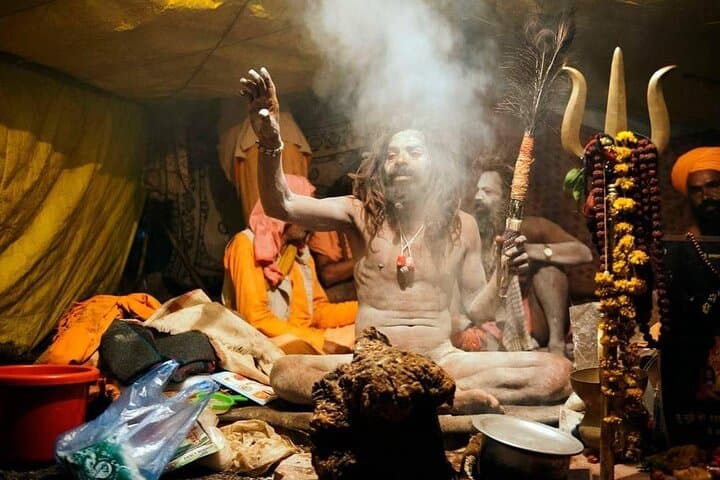
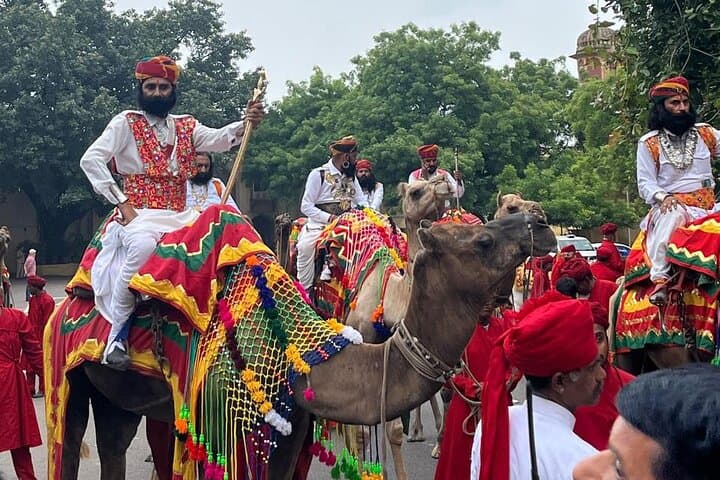
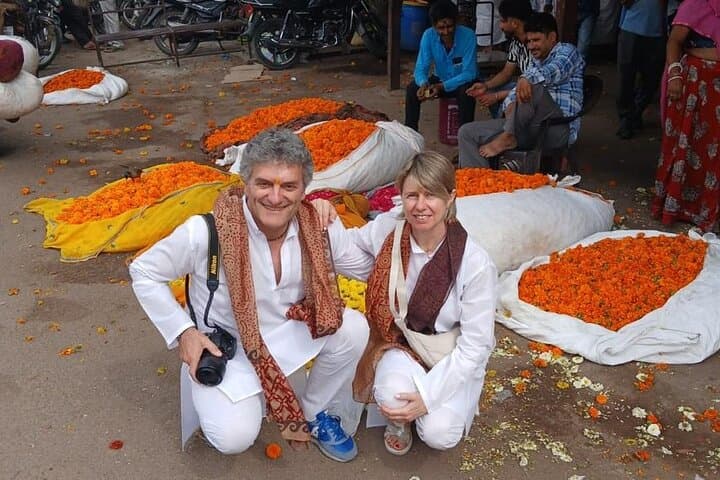
First light falls across wide boulevards of New Delhi and the city exhales—mughal domes and sandstone walls catching the sun while the Ganges waits downstream, restless and insistent. This 9-night circuit threads three historic capitals—Delhi, Jaipur, Agra—and finishes in Varanasi, where ritual smoke and river light shape a very different rhythm.
First light falls across wide boulevards of New Delhi and the city exhales—mughal domes and sandstone walls catching the sun while the Ganges waits downstream, restless and insistent. This 9-night circuit threads three historic capitals—Delhi, Jaipur, Agra—and finishes in Varanasi, where ritual smoke and river light shape a very different rhythm.
The route stitches Mughal forts, Rajput palaces, and Hindu temples into a single narrative: Humayun’s Persian-influenced tombs and the Taj Mahal’s white-marble geometry; Jaipur’s pink-stone Hawa Mahal and royal City Palace; Chand Baori’s stepped geometry in Abhaneri that speaks of medieval water engineering; and Varanasi’s ghats where the Ganges asserts both daily life and mortality. Geologically the plains are alluvial—soft soils that supported empires and the farming that fed them—while architecture reflects cross-cultural exchange between Persian, Mughal and Rajput builders.
Travelers can expect long but well-paced transit days—air or sleeper trains between Agra and Varanasi, several road transfers in air-conditioned vehicles, short tuk-tuk diversions and one early-morning boat ride on the Ganges. Sensory notes: market spices that prick the air, marble cool underfoot, and river currents that seem to pull ceremony forward.
Practical guidance: pack breathable clothing that covers shoulders and knees for temple visits, sturdy walking shoes for uneven fort ramps, a lightweight scarf for sun and modesty, and photocopies of travel documents. Rise early for monuments to avoid heat and crowds and set aside time in Varanasi for a guided boat at sunrise to understand the city’s rituals.