THE ADVENTURE COLLECTIVE® · Independent discovery and booking for outdoor travel

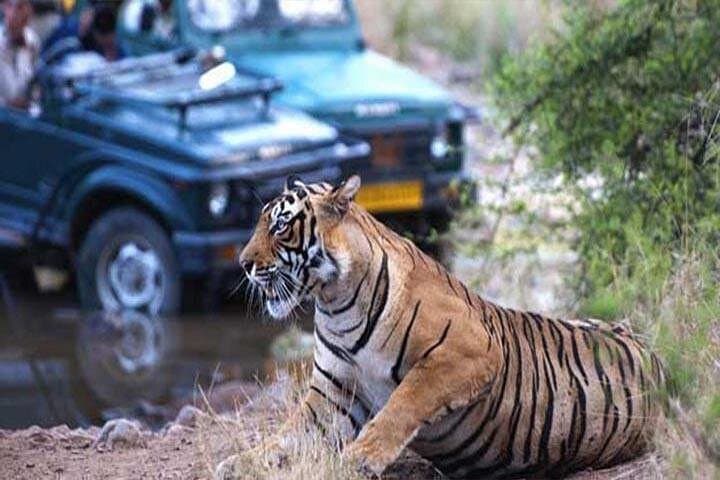
Combine India’s iconic cultural circuit with two ranthambore safaris on a seven-day route that moves from Delhi’s monuments to Jaipur’s palaces and the tiger-rich forests of Ranthambore. Early mornings, dusty jeep tracks, and concentrated wildlife viewing make this a compact cultural plus nature experience.
Combine India’s iconic cultural circuit with two ranthambore safaris on a seven-day route that moves from Delhi’s monuments to Jaipur’s palaces and the tiger-rich forests of Ranthambore. Early mornings, dusty jeep tracks, and concentrated wildlife viewing make this a compact cultural plus nature experience.
A dawn-silvered Yamuna slips past the car window as the tour moves from Delhi’s crowded avenues toward quieter horizons.
Verified experiences and guided adventures in the surrounding area.
Operated by INDIA TRIP DESIGNER India · Sawai Madhopur, Rajasthan
A dawn-silvered Yamuna slips past the car window as the tour moves from Delhi’s crowded avenues toward quieter horizons.
By the time the Taj Mahal catches the sunrise, the city noise has been replaced by the measured breathing of a monument—and later, by the dry rustle of Ranthambore’s teak and acacia woods where jeep engines and guides’ calls break the forest’s hush. This seven-day itinerary pairs the classical sights of India’s Golden Triangle—Delhi’s imperial avenues, Agra’s Mughal masterpieces, Jaipur’s pink facades—with two wildlife safaris in Ranthambore National Park.
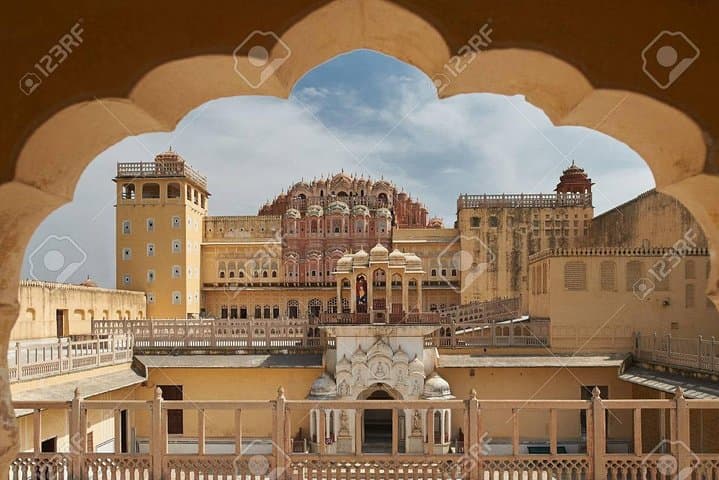
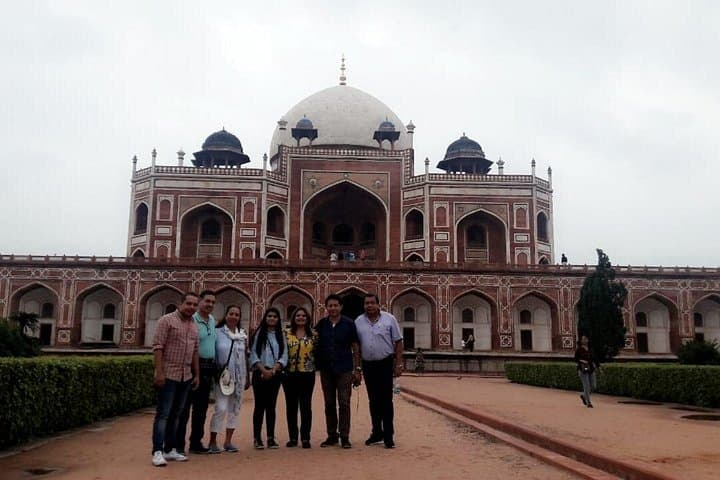
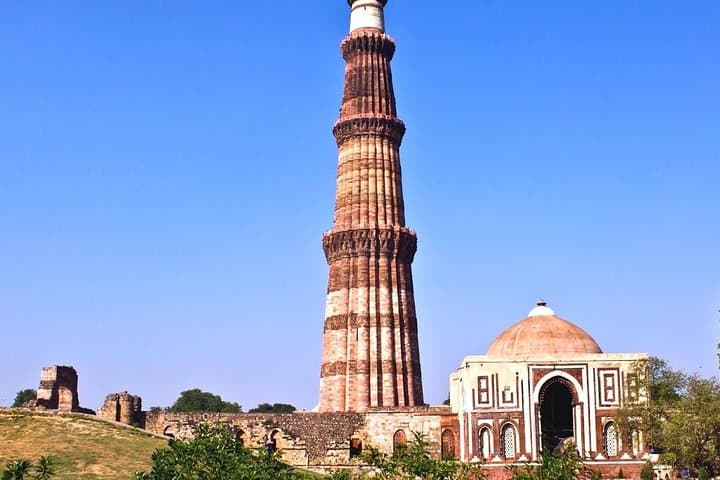
The route threads Mughal history and Rajput fortifications: Humayun’s Tomb and the Red Fort in Delhi, Fatehpur Sikri between Agra and Ranthambore, and Jaipur’s City Palace and Amer Fort. Geologically, the park sits on rocky outcrops of the Aravalli foothills; ancient fort walls perch over seasonal lakes that draw wildlife in dry months.
Culturally, this circuit shows contrasting urban and rural Rajasthan—markets full of block-printed textiles, evening chai rituals, and the slow rhythm of park life centered on waterholes.
Practical guidance: expect early starts for sunrise monuments and 6:00 a.m. and late-afternoon safaris; jeep rides cover uneven, dusty tracks and can last three hours. Carry binoculars, layered clothing for cool mornings and hot afternoons, sun protection, and a prepared camera with extra batteries. Book hotel transfers and safari permits in advance; follow park rules, keep noise low, and listen to guides for the best wildlife opportunities and ethical viewing practices.
easy.
7 days.
Minimal fitness required: involves short walks, getting in/out of vehicles, and tolerating long transfer drives; suitable for most travelers.
October–June is the park season for safaris; late winter and spring (Feb–Apr) concentrate wildlife around shrinking water sources and often improve sighting odds.
This itinerary typically includes two Ranthambore safaris and intercity transfers—confirm specific inclusions and pickup points when booking.
The schedule involves long drives and early starts; operators usually advise against participation for pregnant travelers—check booking restrictions and age limits.
Expect several multi-hour drives (Delhi–Agra ~4 hrs, Agra–Ranthambore ~5 hrs, Ranthambore–Jaipur ~3 hrs, Jaipur–Delhi ~5 hrs) with breaks at planned stops.
The circuit links Mughal-era monuments—Taj Mahal, Agra Fort—and Rajput heritage at Ranthambore Fort, a 10th-century citadel above the park.
Ranthambore is a focal point of India’s Project Tiger efforts; sustainable tourism practices—staying on trails, avoiding litter and minimizing noise—help protect habitat and sighting opportunities.
INDIA TRIP DESIGNER India operates guided outdoor trips and adventures with an emphasis on safety, stewardship, and memorable experiences.
A dawn-silvered Yamuna slips past the car window as the tour moves from Delhi’s crowded avenues toward quieter horizons.
A dawn-silvered Yamuna slips past the car window as the tour moves from Delhi’s crowded avenues toward quieter horizons.
By the time the Taj Mahal catches the sunrise, the city noise has been replaced by the measured breathing of a monument—and later, by the dry rustle of Ranthambore’s teak and acacia woods where jeep engines and guides’ calls break the forest’s hush. This seven-day itinerary pairs the classical sights of India’s Golden Triangle—Delhi’s imperial avenues, Agra’s Mughal masterpieces, Jaipur’s pink facades—with two wildlife safaris in Ranthambore National Park.
The route threads Mughal history and Rajput fortifications: Humayun’s Tomb and the Red Fort in Delhi, Fatehpur Sikri between Agra and Ranthambore, and Jaipur’s City Palace and Amer Fort. Geologically, the park sits on rocky outcrops of the Aravalli foothills; ancient fort walls perch over seasonal lakes that draw wildlife in dry months.
Culturally, this circuit shows contrasting urban and rural Rajasthan—markets full of block-printed textiles, evening chai rituals, and the slow rhythm of park life centered on waterholes.
Practical guidance: expect early starts for sunrise monuments and 6:00 a.m. and late-afternoon safaris; jeep rides cover uneven, dusty tracks and can last three hours. Carry binoculars, layered clothing for cool mornings and hot afternoons, sun protection, and a prepared camera with extra batteries. Book hotel transfers and safari permits in advance; follow park rules, keep noise low, and listen to guides for the best wildlife opportunities and ethical viewing practices.