THE ADVENTURE COLLECTIVE® · Independent discovery and booking for outdoor travel

A seven-day circuit from Delhi through Agra and Jaipur that culminates in wild-game safaris at Ranthambore. Expect imperial architecture, long drives across plains and morning canter safaris hunting for Bengal tigers.
A seven-day circuit from Delhi through Agra and Jaipur that culminates in wild-game safaris at Ranthambore. Expect imperial architecture, long drives across plains and morning canter safaris hunting for Bengal tigers.
You arrive in Delhi at dawn, traffic a slow river of lights as your driver steers toward old monuments. By the second morning you’re threading through Mughal courtyards and market alleys, then a day later watching the Taj Mahal catch sunrise light. The landscape loosens on the drive toward Ranthambore — scrub forests and rocky ridges where the forest seems to lean closer, daring you to spot movement among the trees.
Verified experiences and guided adventures in the surrounding area.
Operated by visit golden triangle trip · Sawai Madhopur, Rajasthan
You arrive in Delhi at dawn, traffic a slow river of lights as your driver steers toward old monuments. By the second morning you’re threading through Mughal courtyards and market alleys, then a day later watching the Taj Mahal catch sunrise light. The landscape loosens on the drive toward Ranthambore — scrub forests and rocky ridges where the forest seems to lean closer, daring you to spot movement among the trees.
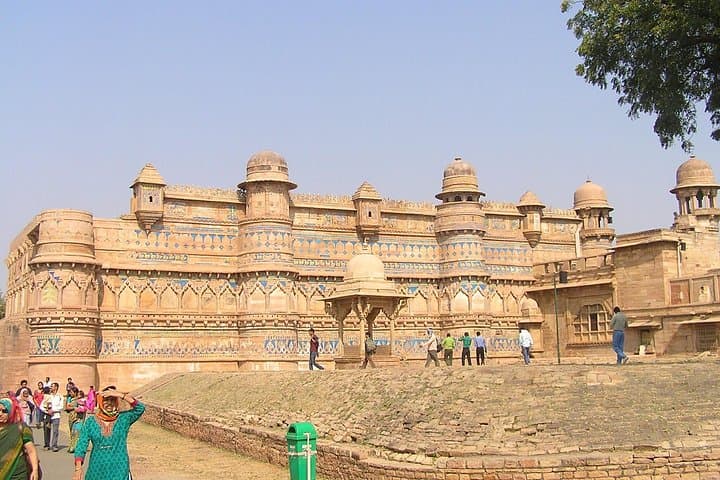
This seven-day loop pairs northern India’s imperial architecture with a classic wildlife block: Ranthambore National Park, one of India’s oldest tiger reserves, sits on Vindhya-fringe terrain with a medieval fort that predates Mughal rule. Agra and Jaipur provide Mughal and Rajput chapters — Fatehpur Sikri’s ghost-city courtyards and Amber Fort’s ramparts frame centuries of regional power and craft.
Practical note: the tour is primarily road-based (multiple 3–6 hour drives between cities) with two reserved canter safaris in Ranthambore, each ~3 hours and best at first light. Pack light layers for cool mornings, bring binoculars and a long lens if you photograph wildlife, and be prepared for dusty roads and basic park facilities.
Timing matters: winter months give the clearest wildlife viewing and comfortable city touring; summer is hot and the park can be quieter. Respect park rules — stay with guides, avoid feeding or approaching animals, and carry cash for small purchases and tips. With planning, this itinerary delivers both cultural landmarks and the real possibility of seeing the tiger in the wild.
easy.
7 days.
Suitable for travelers with average fitness; requires ability to sit for long drives and short walks at monuments and park trails.
October through March offers cooler temperatures and better wildlife visibility; summers (Apr–Jun) are hot and monsoon months can limit park access.
Ranthambore has a healthy tiger population and sightings are common on morning safaris, but wild animals are unpredictable—pack patience and aim for multiple safari drives.
This itinerary lists entrance fees and a government-approved guide among inclusions; confirm specific monument tickets and any additional local taxes when booking.
Yes—activities are low-impact (car travel and gentle walks), but early starts and safari vehicle terrain can be tiring; consult providers about seat and safety accommodations.
The route traces Mughal and Rajput chapters—Shah Jahan’s Taj and Agra’s forts sit alongside Ranthambore’s medieval fortress, which has been a strategic hilltop stronghold for centuries.
Ranthambore is part of India’s Project Tiger efforts; stick to park rules, minimize single-use plastics, and use licensed guides to support responsible tourism.
visit golden triangle trip operates guided outdoor trips and adventures with an emphasis on safety, stewardship, and memorable experiences.
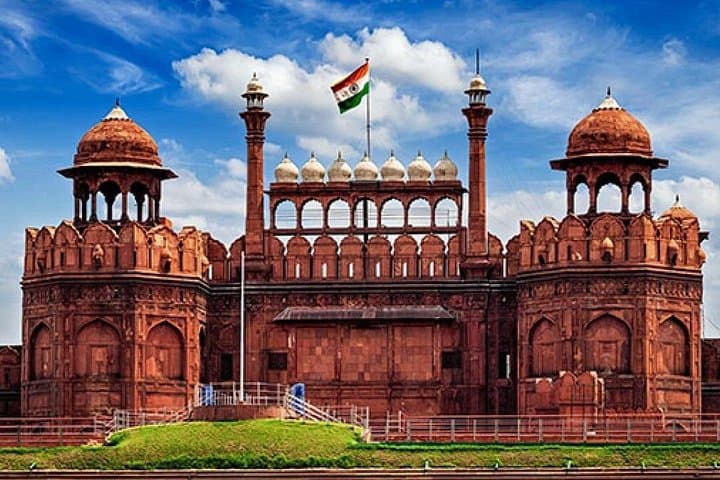
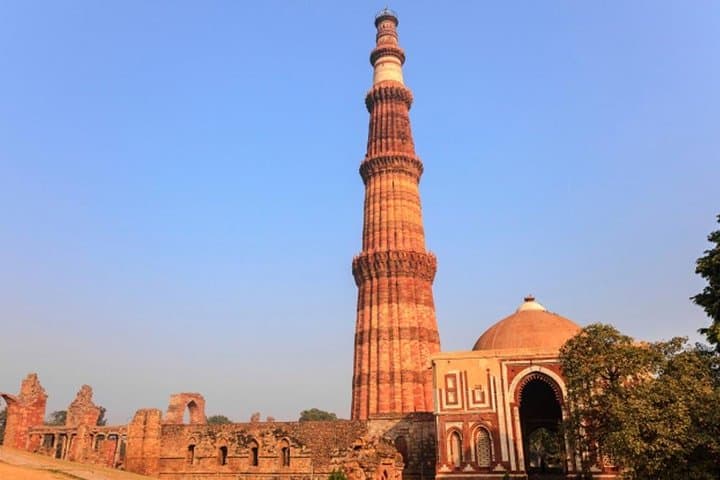
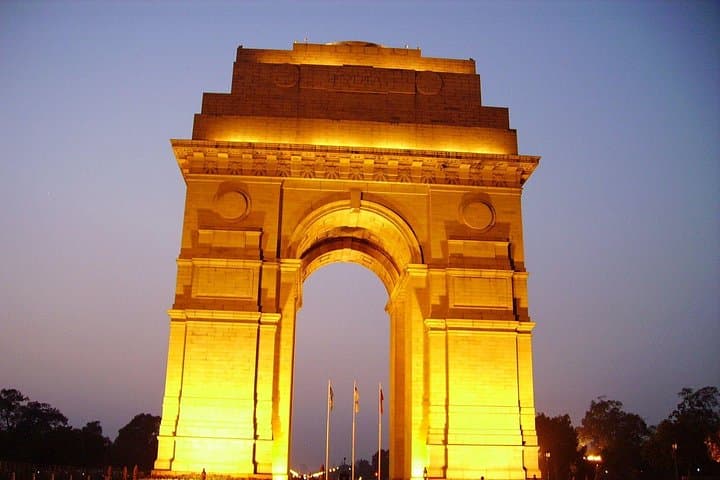
You arrive in Delhi at dawn, traffic a slow river of lights as your driver steers toward old monuments. By the second morning you’re threading through Mughal courtyards and market alleys, then a day later watching the Taj Mahal catch sunrise light. The landscape loosens on the drive toward Ranthambore — scrub forests and rocky ridges where the forest seems to lean closer, daring you to spot movement among the trees.
You arrive in Delhi at dawn, traffic a slow river of lights as your driver steers toward old monuments. By the second morning you’re threading through Mughal courtyards and market alleys, then a day later watching the Taj Mahal catch sunrise light. The landscape loosens on the drive toward Ranthambore — scrub forests and rocky ridges where the forest seems to lean closer, daring you to spot movement among the trees.
This seven-day loop pairs northern India’s imperial architecture with a classic wildlife block: Ranthambore National Park, one of India’s oldest tiger reserves, sits on Vindhya-fringe terrain with a medieval fort that predates Mughal rule. Agra and Jaipur provide Mughal and Rajput chapters — Fatehpur Sikri’s ghost-city courtyards and Amber Fort’s ramparts frame centuries of regional power and craft.
Practical note: the tour is primarily road-based (multiple 3–6 hour drives between cities) with two reserved canter safaris in Ranthambore, each ~3 hours and best at first light. Pack light layers for cool mornings, bring binoculars and a long lens if you photograph wildlife, and be prepared for dusty roads and basic park facilities.
Timing matters: winter months give the clearest wildlife viewing and comfortable city touring; summer is hot and the park can be quieter. Respect park rules — stay with guides, avoid feeding or approaching animals, and carry cash for small purchases and tips. With planning, this itinerary delivers both cultural landmarks and the real possibility of seeing the tiger in the wild.