THE ADVENTURE COLLECTIVE® · Independent discovery and booking for outdoor travel

A concentrated five-day loop from Delhi covers the Taj Mahal at sunrise, two Ranthambore safaris in tiger country, and Jaipur’s forts and bazaars. This private tour balances cultural heritage with high-chance wildlife viewing and door-to-door transfers.
A concentrated five-day loop from Delhi covers the Taj Mahal at sunrise, two Ranthambore safaris in tiger country, and Jaipur’s forts and bazaars. This private tour balances cultural heritage with high-chance wildlife viewing and door-to-door transfers.
You step from an air-conditioned car into warm Delhi morning, the city already pulsing with rickshaws and chai stalls. Over five days the itinerary unfolds like chapters: Mughal red sandstone in Agra at sunrise, the scrub forests of Ranthambore where lakes and ruins punctuate tiger country, and the pink-hued bazaars and observatories of Jaipur.
Verified experiences and guided adventures in the surrounding area.
Operated by Bagga India Tour · New Delhi, Delhi
You step from an air-conditioned car into warm Delhi morning, the city already pulsing with rickshaws and chai stalls. Over five days the itinerary unfolds like chapters: Mughal red sandstone in Agra at sunrise, the scrub forests of Ranthambore where lakes and ruins punctuate tiger country, and the pink-hued bazaars and observatories of Jaipur.
This route threads three centuries of history. Delhi and Agra showcase Mughal architecture—Qutub Minar, Humayun’s Tomb, the Taj Mahal—while Jaipur’s 18th-century urban planning and Jantar Mantar reflect Rajput court culture and early astronomy. Ranthambore sits on Vindhyan outcrops; its granite ridgelines and the 10th-century Ranthambore Fort create lookout points that once controlled trade routes and now guide wildlife movements.
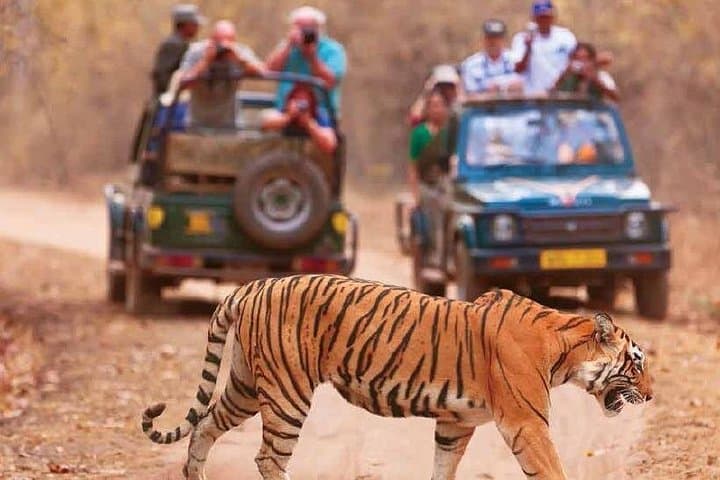
On safari, expect dusty tracks, the whisper of dry leaves and birds testing the air; the forest seems to watch back, lagoons daring you to pause. Tigers are elusive—sightings are possible but never guaranteed—while deer, sambar, langur and marsh crocodiles form a vivid backdrop.
Practical edge: the park runs high season from October to June with monsoon-limited zones July–September; sunrise visits to the Taj require early starts and often battery-bus transfers. Accommodation is standard hotel to luxury, and private transport offers flexibility.
Plan for early-morning drives, sun protection, and a camera with a good zoom. Bring patience: the best wildlife moments arrive when you slow your schedule and give the forest room to reveal itself.
moderate.
5 days.
Suitable for travelers in average fitness; involves short walks at monuments and early-morning jeep safaris requiring quick entry/exit.
No—tigers are wild and sightings depend on luck, season, and animal movement; the tour increases chances with two safaris in Ranthambore but cannot promise a sighting.
Private car with driver, door-to-door transfers, government-approved city guides, tolls and bottled water are included; hotel stays and some monument fees may not be.
Generally October 1–June 30 all zones are available; during monsoon (July–September) only select zones operate and some areas close for safety.
Yes—physical demands are low, but expect early starts and bumpy jeep rides; inform the operator of special needs for smoother arrangements.
The route links Mughal-era monuments and Rajput forts; Ranthambore Fort dates to the 10th century and once controlled trade through the region.
Ranthambore is part of Project Tiger conservation efforts; visitors should minimize noise, avoid single-use plastics and follow jeep-route guidelines to reduce disturbance.
Bagga India Tour operates guided outdoor trips and adventures with an emphasis on safety, stewardship, and memorable experiences.
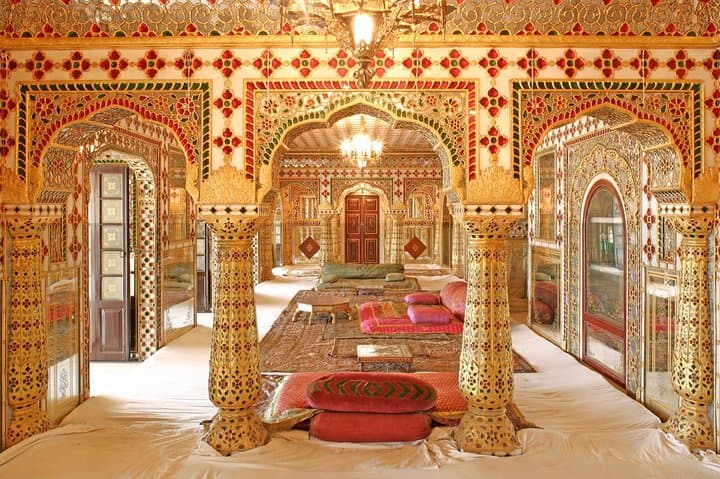
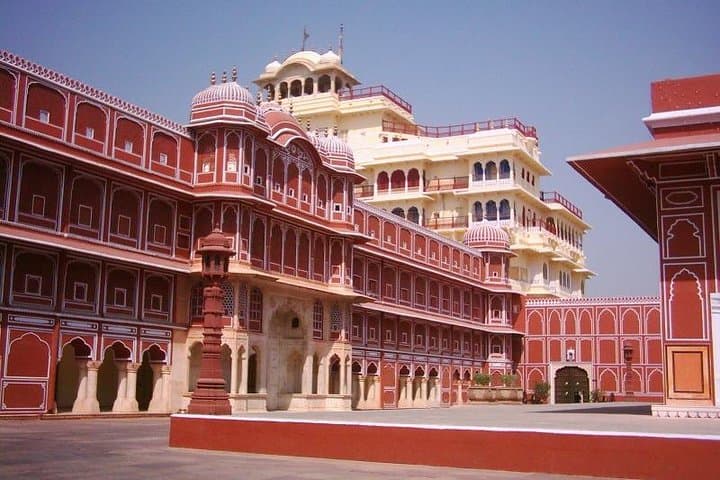
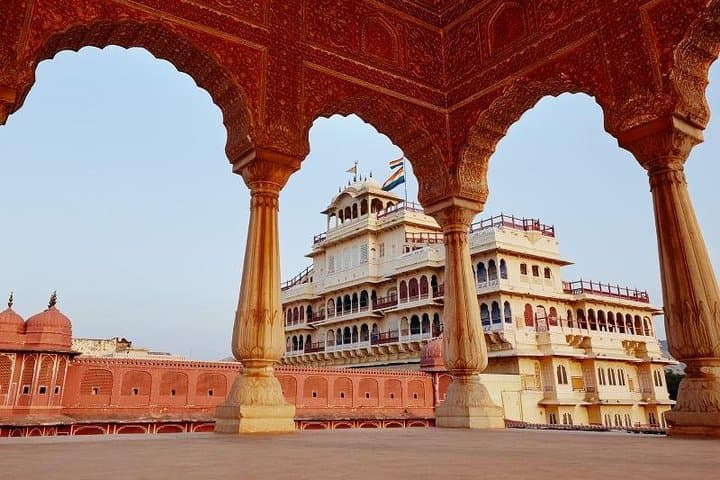
You step from an air-conditioned car into warm Delhi morning, the city already pulsing with rickshaws and chai stalls. Over five days the itinerary unfolds like chapters: Mughal red sandstone in Agra at sunrise, the scrub forests of Ranthambore where lakes and ruins punctuate tiger country, and the pink-hued bazaars and observatories of Jaipur.
You step from an air-conditioned car into warm Delhi morning, the city already pulsing with rickshaws and chai stalls. Over five days the itinerary unfolds like chapters: Mughal red sandstone in Agra at sunrise, the scrub forests of Ranthambore where lakes and ruins punctuate tiger country, and the pink-hued bazaars and observatories of Jaipur.
This route threads three centuries of history. Delhi and Agra showcase Mughal architecture—Qutub Minar, Humayun’s Tomb, the Taj Mahal—while Jaipur’s 18th-century urban planning and Jantar Mantar reflect Rajput court culture and early astronomy. Ranthambore sits on Vindhyan outcrops; its granite ridgelines and the 10th-century Ranthambore Fort create lookout points that once controlled trade routes and now guide wildlife movements.
On safari, expect dusty tracks, the whisper of dry leaves and birds testing the air; the forest seems to watch back, lagoons daring you to pause. Tigers are elusive—sightings are possible but never guaranteed—while deer, sambar, langur and marsh crocodiles form a vivid backdrop.
Practical edge: the park runs high season from October to June with monsoon-limited zones July–September; sunrise visits to the Taj require early starts and often battery-bus transfers. Accommodation is standard hotel to luxury, and private transport offers flexibility.
Plan for early-morning drives, sun protection, and a camera with a good zoom. Bring patience: the best wildlife moments arrive when you slow your schedule and give the forest room to reveal itself.