THE ADVENTURE COLLECTIVE® · Independent discovery and booking for outdoor travel

A six‑day loop from Delhi through Agra, Jaipur and Amritsar that pairs sunrise at the Taj with the Golden Temple and the Wagah border ceremony. Perfect for travelers seeking concentrated cultural history and efficient transit between India’s headline monuments.
A six‑day loop from Delhi through Agra, Jaipur and Amritsar that pairs sunrise at the Taj with the Golden Temple and the Wagah border ceremony. Perfect for travelers seeking concentrated cultural history and efficient transit between India’s headline monuments.
You step out of an air‑conditioned car into a humid Delhi morning, traffic humming like a distant engine, and the guide folds a map into your palm. Over six days the landscape opens and tightens: Mughal marble at sunrise in Agra, the ochre hilltop of Amber Palace, Jaipur’s grid of bazaars, and the reflective calm of Amritsar’s Golden Temple after sunset. The itinerary moves at a steady, vehicle‑based pace—city drives, short walks through monuments, and two overnight AC train legs that also serve as transitions between regions.
Verified experiences and guided adventures in the surrounding area.
Operated by Indian Golden Triangle Tour · New Delhi, Delhi
You step out of an air‑conditioned car into a humid Delhi morning, traffic humming like a distant engine, and the guide folds a map into your palm. Over six days the landscape opens and tightens: Mughal marble at sunrise in Agra, the ochre hilltop of Amber Palace, Jaipur’s grid of bazaars, and the reflective calm of Amritsar’s Golden Temple after sunset. The itinerary moves at a steady, vehicle‑based pace—city drives, short walks through monuments, and two overnight AC train legs that also serve as transitions between regions.
The route stitches together centuries of Mughal and Rajput architecture and Sikh heritage. Qutub Minar and Humayun’s Tomb mark early Mughal ambitions; Fatehpur Sikri records a brief imperial experiment; the Taj Mahal is both funerary masterpiece and geological marvel—its white marble sourced from Makrana and set atop a raised plinth that amplifies dawn light. Amritsar introduces Punjabi culture and the Golden Temple’s langar, the world’s largest community kitchen.
Practically, expect repeated security checks, uneven stone steps at forts, and crowded markets that reward patience. Sunrise at the Taj is cooler and less crowded; evenings at Wagah Border are loud and theatrical. Stay hydrated, wear sturdy shoes for cobbled paths and fort stairs, and carry a small scarf for temple etiquette (heads must be covered). The trip suits travelers who prefer curated cultural immersion over rugged trekking—pack light, book peak‑season windows early, and allow a flexible layover in Delhi to absorb the city’s rhythm before you depart.
easy.
6 days.
Light fitness required—ability to walk 1–3 miles per day and manage stairs and crowded sites.
Most foreign travelers require an Indian tourist visa—check your country’s current e‑visa rules and secure it before arrival.
The tour includes AC chair train tickets (Delhi–Amritsar–Delhi) and many transfers; verify specific monument fees with the operator before booking.
Yes—visitors of all backgrounds are welcome; follow etiquette: remove shoes, wash feet, cover your head, and dress modestly.
Expect short to moderate walks at sites (30–90 minutes) plus time on the coach; comfortable mobility is sufficient—no technical hiking required.
The loop links Mughal imperial sites (Taj Mahal, Humayun’s Tomb, Fatehpur Sikri) with Rajput hill forts and Sikh history centered on Amritsar and the Golden Temple.
High visitor numbers strain heritage sites—use refillable bottles, follow site rules, and avoid littering; local programs encourage community‑led conservation at monuments.
Indian Golden Triangle Tour operates guided outdoor trips and adventures with an emphasis on safety, stewardship, and memorable experiences.
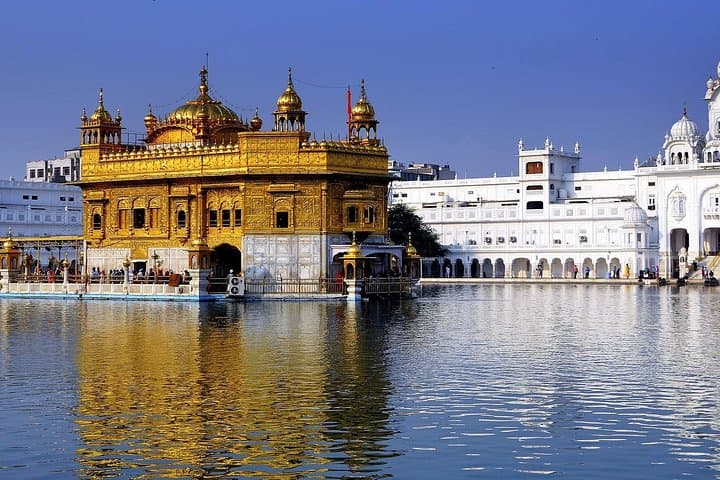
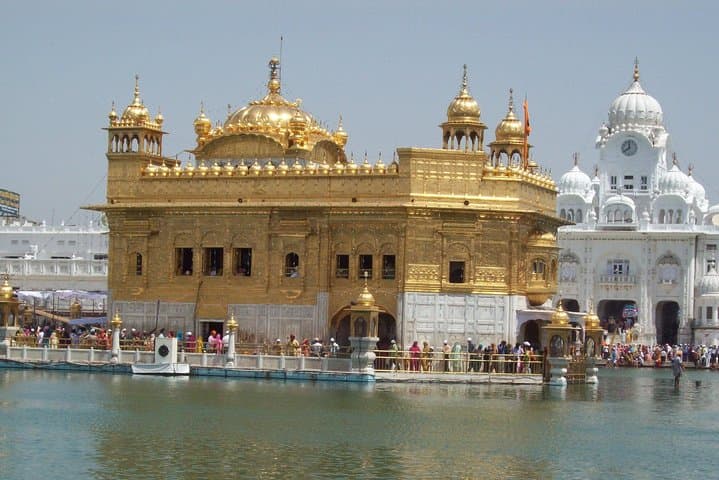
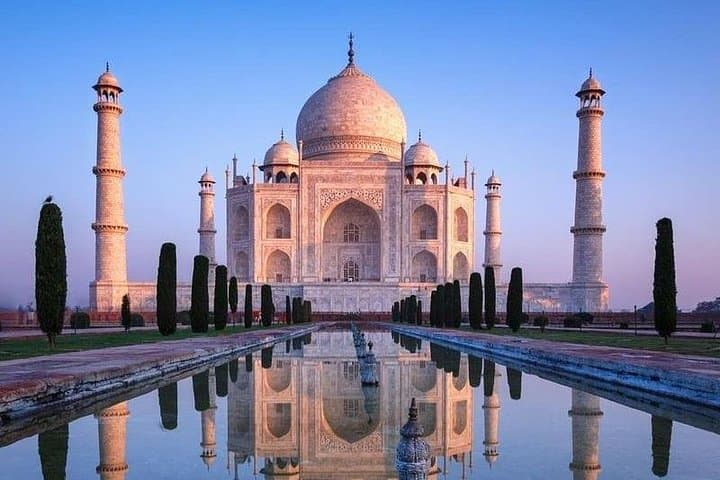

You step out of an air‑conditioned car into a humid Delhi morning, traffic humming like a distant engine, and the guide folds a map into your palm. Over six days the landscape opens and tightens: Mughal marble at sunrise in Agra, the ochre hilltop of Amber Palace, Jaipur’s grid of bazaars, and the reflective calm of Amritsar’s Golden Temple after sunset. The itinerary moves at a steady, vehicle‑based pace—city drives, short walks through monuments, and two overnight AC train legs that also serve as transitions between regions.
You step out of an air‑conditioned car into a humid Delhi morning, traffic humming like a distant engine, and the guide folds a map into your palm. Over six days the landscape opens and tightens: Mughal marble at sunrise in Agra, the ochre hilltop of Amber Palace, Jaipur’s grid of bazaars, and the reflective calm of Amritsar’s Golden Temple after sunset. The itinerary moves at a steady, vehicle‑based pace—city drives, short walks through monuments, and two overnight AC train legs that also serve as transitions between regions.
The route stitches together centuries of Mughal and Rajput architecture and Sikh heritage. Qutub Minar and Humayun’s Tomb mark early Mughal ambitions; Fatehpur Sikri records a brief imperial experiment; the Taj Mahal is both funerary masterpiece and geological marvel—its white marble sourced from Makrana and set atop a raised plinth that amplifies dawn light. Amritsar introduces Punjabi culture and the Golden Temple’s langar, the world’s largest community kitchen.
Practically, expect repeated security checks, uneven stone steps at forts, and crowded markets that reward patience. Sunrise at the Taj is cooler and less crowded; evenings at Wagah Border are loud and theatrical. Stay hydrated, wear sturdy shoes for cobbled paths and fort stairs, and carry a small scarf for temple etiquette (heads must be covered). The trip suits travelers who prefer curated cultural immersion over rugged trekking—pack light, book peak‑season windows early, and allow a flexible layover in Delhi to absorb the city’s rhythm before you depart.