THE ADVENTURE COLLECTIVE® · Independent discovery and booking for outdoor travel

A weeklong circuit that pairs the Golden Triangle’s monumental cities with safaris in Ranthambore, the Chambal River and Jim Corbett. Expect long drives, early-morning wildlife runs and a blend of Mughal and Rajasthani culture.
A weeklong circuit that pairs the Golden Triangle’s monumental cities with safaris in Ranthambore, the Chambal River and Jim Corbett. Expect long drives, early-morning wildlife runs and a blend of Mughal and Rajasthani culture.
Morning light spills across New Delhi’s broad avenues as a private vehicle slips out of the city and into the layered landscapes of northern India—mughal tombs giving way to pink sandstone palaces, then to scrub forests and riverine plains where the jungle waits.
Verified experiences and guided adventures in the surrounding area.
Operated by Padma Holidays · New Delhi, Delhi
Morning light spills across New Delhi’s broad avenues as a private vehicle slips out of the city and into the layered landscapes of northern India—mughal tombs giving way to pink sandstone palaces, then to scrub forests and riverine plains where the jungle waits.
This weeklong, primarily 8-day route links Delhi, Jaipur and Agra’s Mughal and Rajput heritage with three very different wildlife settings: the dry deciduous forests of Ranthambore on the Aravalli fringe, the Chambal River’s deep ravines and sandbanks, and Jim Corbett’s Shivalik foothills and riverine Terai. Geology matters here—Aravalli outcrops sculpt lookout ridges in Ranthambore while Chambal’s ravines shelter gharials and crocodilian sun-basks; Corbett’s alluvial terraces support dense sal and riverine grasslands.
Culturally the trip alternates palace forts and bazaars—Jaipur’s planned streets and Agra’s Mughal monuments—punctuated by evenings of Rajasthani music and local cuisine. Guides appointed by forest authorities handle safari logistics; note Ranthambore often runs shared jeeps/canters while Corbett offers private jeeps.
Practical guidance: safaris move early and late—arrive at boarding points 20 minutes before departure. Expect long road transfers; pack light layers for cool pre-dawn safaris, sun protection for daytime drives, and binoculars for birding. Wildlife sightings, especially tigers, are never guaranteed; choosing peak months and flexible schedules increases the odds. Respect park rules: no noise, no feeding, and follow your guide’s instructions for both safety and conservation.
moderate.
8 days.
Suitable for travelers with average fitness; expect multiple long drives and short walks at monuments and on jeep safaris.
No—tiger sightings depend on animal movements and habitat; parks assign zones to improve chances but cannot guarantee sightings.
Ranthambore safaris are typically in shared jeeps or canters; Jim Corbett safaris are often in private jeeps—your voucher will note the arrangement.
The tour involves long drives and getting in/out of safari vehicles; travelers with limited mobility should check vehicle accessibility and advise the operator ahead of booking.
October–March offers cooler weather and good visibility for wildlife, while summer and monsoon months can be hot or restrict park access.
This route threads Mughal-era Agra and Fatehpur Sikri with Rajput Jaipur, while older geological features like the Aravalli range shape Ranthambore’s rocky forts and ridgelines.
Visitor pressure and river health are ongoing concerns; follow park rules, avoid single-use plastics, and support locally run conservation or community tourism initiatives.
Padma Holidays operates guided outdoor trips and adventures with an emphasis on safety, stewardship, and memorable experiences.

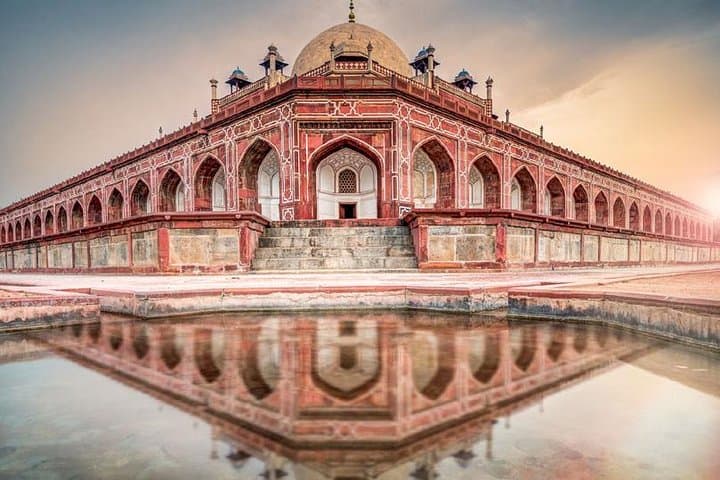


Morning light spills across New Delhi’s broad avenues as a private vehicle slips out of the city and into the layered landscapes of northern India—mughal tombs giving way to pink sandstone palaces, then to scrub forests and riverine plains where the jungle waits.
Morning light spills across New Delhi’s broad avenues as a private vehicle slips out of the city and into the layered landscapes of northern India—mughal tombs giving way to pink sandstone palaces, then to scrub forests and riverine plains where the jungle waits.
This weeklong, primarily 8-day route links Delhi, Jaipur and Agra’s Mughal and Rajput heritage with three very different wildlife settings: the dry deciduous forests of Ranthambore on the Aravalli fringe, the Chambal River’s deep ravines and sandbanks, and Jim Corbett’s Shivalik foothills and riverine Terai. Geology matters here—Aravalli outcrops sculpt lookout ridges in Ranthambore while Chambal’s ravines shelter gharials and crocodilian sun-basks; Corbett’s alluvial terraces support dense sal and riverine grasslands.
Culturally the trip alternates palace forts and bazaars—Jaipur’s planned streets and Agra’s Mughal monuments—punctuated by evenings of Rajasthani music and local cuisine. Guides appointed by forest authorities handle safari logistics; note Ranthambore often runs shared jeeps/canters while Corbett offers private jeeps.
Practical guidance: safaris move early and late—arrive at boarding points 20 minutes before departure. Expect long road transfers; pack light layers for cool pre-dawn safaris, sun protection for daytime drives, and binoculars for birding. Wildlife sightings, especially tigers, are never guaranteed; choosing peak months and flexible schedules increases the odds. Respect park rules: no noise, no feeding, and follow your guide’s instructions for both safety and conservation.