THE ADVENTURE COLLECTIVE® · Independent discovery and booking for outdoor travel

An eight-day loop through India’s Golden Triangle links Delhi, Jaipur and Agra with quieter stops in Karauli and Fatehpur Sikri. Expect iconic monuments, busy markets and practical travel logistics—ideal for first-time visitors who want history, culture and a manageable pace.
An eight-day loop through India’s Golden Triangle links Delhi, Jaipur and Agra with quieter stops in Karauli and Fatehpur Sikri. Expect iconic monuments, busy markets and practical travel logistics—ideal for first-time visitors who want history, culture and a manageable pace.
You step out into a Delhi morning where diesel and jasmine mix in the air, rickshaws threading alleys as the city wakes. This eight-day loop pushes through Mughal gardens, pink sandstone palaces and stepwells that cut like memory into the earth—each day a new rhythm of streets, forts and mausoleums.
Verified experiences and guided adventures in the surrounding area.
Operated by Peak to Peak Tours and Treks Pvt Ltd · New Delhi, Delhi
You step out into a Delhi morning where diesel and jasmine mix in the air, rickshaws threading alleys as the city wakes. This eight-day loop pushes through Mughal gardens, pink sandstone palaces and stepwells that cut like memory into the earth—each day a new rhythm of streets, forts and mausoleums.
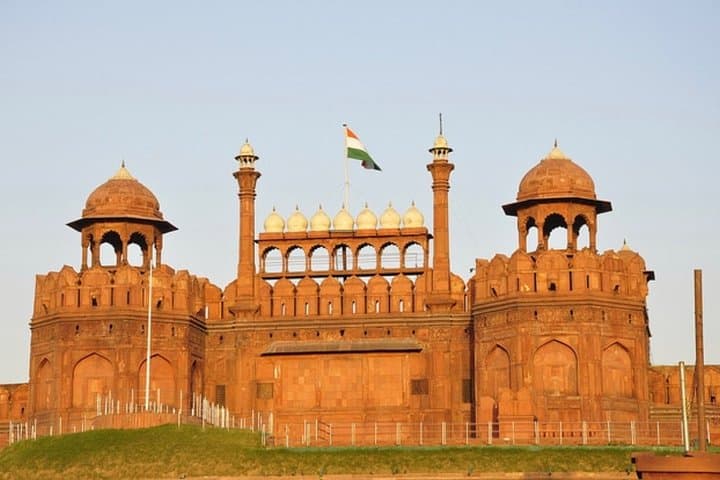
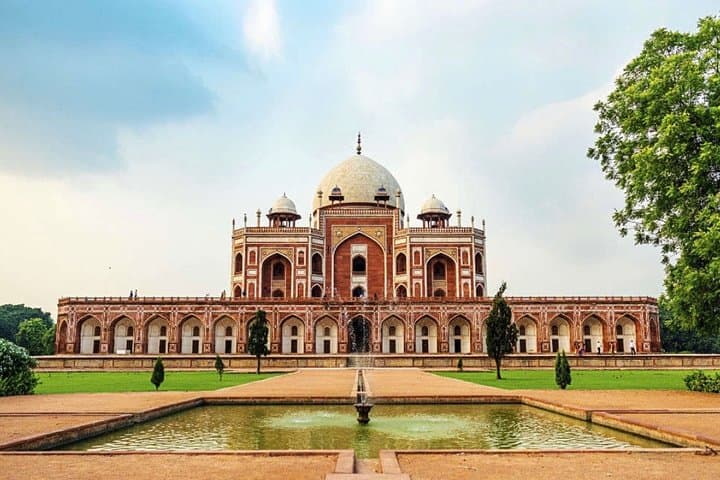
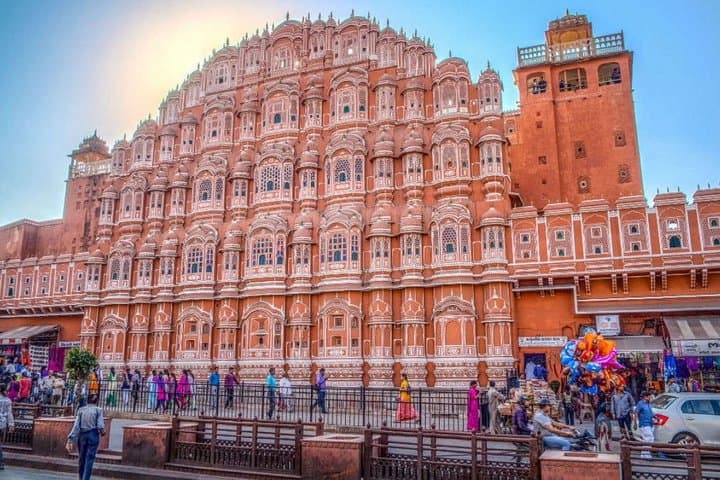
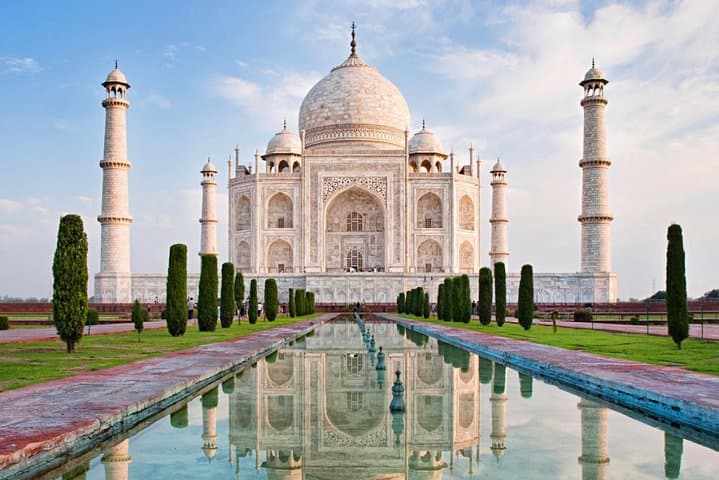
Start in New Delhi with Humayun’s Tomb and markets that recall centuries of trade; move east to the Mughal precision of Fatehpur Sikri and then to Agra’s riverside silhouette dominated by the Taj Mahal. Jaipur brings Rajput geometry—Hawa Mahal’s latticed face and Amber Fort’s ramparts—while a night in Karauli offers quieter temples and rural rituals less seen on guidebook routes.
Geology here is visible: the alluvial plains of the Yamuna and the weathered sandstone of Rajasthan that architects shaped into ornate facades. Culture is tactile—calloused hands shaping brass wares, the steady call to prayer, marketplaces trading spices and stories. History threads the trip: Mughal empire builders, Rajput courts and local village traditions create the Golden Triangle’s layered identity.
Practical note: days are long but physically undemanding—expect city walking, uneven stone steps and crowded sites. Plan early starts to catch softer light and avoid the heat; carry copies of travel documents, modest clothing for temple visits and a refillable water bottle. Book guided entry times at major monuments when possible and allow slow hours in smaller towns to meet locals and learn how the region still lives between its great monuments.
easy.
8 days.
Light urban walking and short climbs on fort steps; no technical fitness required.
Most major monument admissions are not included—confirm with your operator and carry cash or card for tickets.
Yes; the tour is physically easy but includes long transfers—plan downtime for younger children.
It includes 2‑star level hotels as listed—upgrades may be available on request at extra cost.
Yes. International travelers need a valid passport and appropriate visa; you will be asked for passport details at booking.
The Golden Triangle stitches Mughal-era monuments (Humayun’s Tomb, Taj Mahal) with Rajput palaces, reflecting centuries of imperial and regional rule.
High footfall at monuments raises wear on stone and local water resources; use refillable bottles, avoid single-use plastics and follow site rules to limit impact.
Peak to Peak Tours and Treks Pvt Ltd operates guided outdoor trips and adventures with an emphasis on safety, stewardship, and memorable experiences.
You step out into a Delhi morning where diesel and jasmine mix in the air, rickshaws threading alleys as the city wakes. This eight-day loop pushes through Mughal gardens, pink sandstone palaces and stepwells that cut like memory into the earth—each day a new rhythm of streets, forts and mausoleums.
You step out into a Delhi morning where diesel and jasmine mix in the air, rickshaws threading alleys as the city wakes. This eight-day loop pushes through Mughal gardens, pink sandstone palaces and stepwells that cut like memory into the earth—each day a new rhythm of streets, forts and mausoleums.
Start in New Delhi with Humayun’s Tomb and markets that recall centuries of trade; move east to the Mughal precision of Fatehpur Sikri and then to Agra’s riverside silhouette dominated by the Taj Mahal. Jaipur brings Rajput geometry—Hawa Mahal’s latticed face and Amber Fort’s ramparts—while a night in Karauli offers quieter temples and rural rituals less seen on guidebook routes.
Geology here is visible: the alluvial plains of the Yamuna and the weathered sandstone of Rajasthan that architects shaped into ornate facades. Culture is tactile—calloused hands shaping brass wares, the steady call to prayer, marketplaces trading spices and stories. History threads the trip: Mughal empire builders, Rajput courts and local village traditions create the Golden Triangle’s layered identity.
Practical note: days are long but physically undemanding—expect city walking, uneven stone steps and crowded sites. Plan early starts to catch softer light and avoid the heat; carry copies of travel documents, modest clothing for temple visits and a refillable water bottle. Book guided entry times at major monuments when possible and allow slow hours in smaller towns to meet locals and learn how the region still lives between its great monuments.