THE ADVENTURE COLLECTIVE® · Independent discovery and booking for outdoor travel

Move from Delhi’s Mughal monuments to Agra’s Taj, the deserted red-stone streets of Fatehpur Sikri, and the reedbeds of Keoladeo in this private seven-day loop. Expect cultural depth, migratory birds, and paced travel between UNESCO sites.
Move from Delhi’s Mughal monuments to Agra’s Taj, the deserted red-stone streets of Fatehpur Sikri, and the reedbeds of Keoladeo in this private seven-day loop. Expect cultural depth, migratory birds, and paced travel between UNESCO sites.
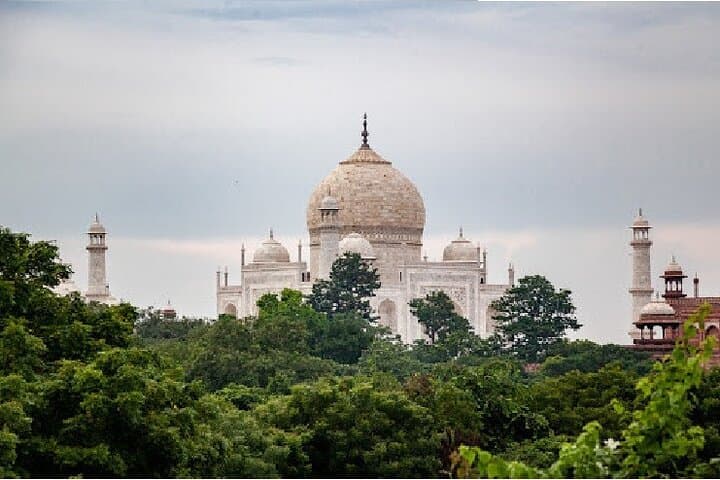
Morning in Old Delhi arrives with rickshaws threading through spice-scented alleys and a low haze softening the Mughal domes. On this private seven-day circuit, travelers move from the crowded lanes of Delhi to the sunset glow of the Taj Mahal, across the empty courtyards of Fatehpur Sikri, into the wetlands and reed-lined channels of Keoladeo, and up the rocky rise to Amber Fort outside Jaipur.
Verified experiences and guided adventures in the surrounding area.
Operated by SITA World Tours · New Delhi, Delhi
Morning in Old Delhi arrives with rickshaws threading through spice-scented alleys and a low haze softening the Mughal domes. On this private seven-day circuit, travelers move from the crowded lanes of Delhi to the sunset glow of the Taj Mahal, across the empty courtyards of Fatehpur Sikri, into the wetlands and reed-lined channels of Keoladeo, and up the rocky rise to Amber Fort outside Jaipur.
The route traces north‑west India’s layered history: Mughal mausolea and Red Fort ramparts in Delhi; Shah Jahan’s white-marble gesture at Agra; Akbar’s red-sandstone capital at Fatehpur Sikri; and Rajput palaces and observatories in Jaipur. Geologically the region is flat alluvial plain punctured by low rocky outcrops at Amber; Keoladeo’s seasonal wetlands are fed by local canals and shallow pools that attract migratory birds each winter.
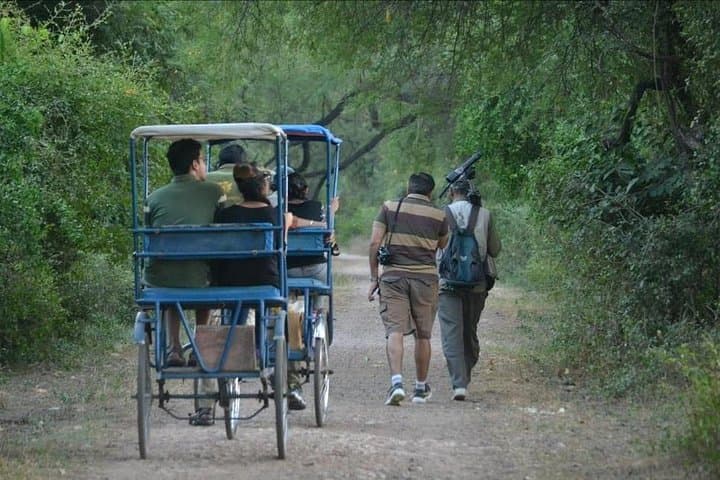
Expect steady days of sightseeing with transferred drives—Delhi to Agra ~4–5 hours, Bharatpur to Jaipur a short afternoon drive—and several short walks in archaeological sites and sanctuary tracks. The bird sanctuary’s rickshaw ride covers level, dusty paths where binoculars and patience pay off; Amber’s ascent by jeep spares a steep climb but includes uneven stone steps at the fort itself.
Practical notes: plan early starts to avoid midday heat, carry modest clothing for temple and mosque visits, and allow time for security lines at major monuments. Hydrate, wear closed walking shoes for mixed terrain, and book sunrise or sunset windows at the Taj for best light. This itinerary balances cultural immersion with natural history—ideal for travelers who want architecture, wildlife viewing, and manageable travel days.
moderate.
7 days.
Moderate fitness for daily walking (2–4 hours) and getting on/off vehicles; able to handle uneven steps at forts.
Peak migration runs from November to February when wintering waterfowl and waders arrive; mornings are most active.
The Taj Mahal is closed on Fridays for prayers—plan your visit on another day and aim for sunrise or sunset to avoid crowds and heat.
This private tour lists hotel pickup/drop-off and six nights’ accommodation, with transport by private air‑conditioned vehicle included in the itinerary.
Most foreign visitors need an Indian visa—check current entry rules—and consult a travel clinic for recommended vaccinations and health advice before travel.
The route links Mughal-era Agra and Delhi (16th–17th centuries) with Akbar’s late‑16th‑century capital at Fatehpur Sikri and Rajput palaces around Jaipur.
Keoladeo National Park is a UNESCO and Ramsar site; water management and invasive species are ongoing conservation challenges—visit responsibly, stay on designated tracks, and avoid feeding wildlife.
SITA World Tours operates guided outdoor trips and adventures with an emphasis on safety, stewardship, and memorable experiences.

Morning in Old Delhi arrives with rickshaws threading through spice-scented alleys and a low haze softening the Mughal domes. On this private seven-day circuit, travelers move from the crowded lanes of Delhi to the sunset glow of the Taj Mahal, across the empty courtyards of Fatehpur Sikri, into the wetlands and reed-lined channels of Keoladeo, and up the rocky rise to Amber Fort outside Jaipur.
Morning in Old Delhi arrives with rickshaws threading through spice-scented alleys and a low haze softening the Mughal domes. On this private seven-day circuit, travelers move from the crowded lanes of Delhi to the sunset glow of the Taj Mahal, across the empty courtyards of Fatehpur Sikri, into the wetlands and reed-lined channels of Keoladeo, and up the rocky rise to Amber Fort outside Jaipur.
The route traces north‑west India’s layered history: Mughal mausolea and Red Fort ramparts in Delhi; Shah Jahan’s white-marble gesture at Agra; Akbar’s red-sandstone capital at Fatehpur Sikri; and Rajput palaces and observatories in Jaipur. Geologically the region is flat alluvial plain punctured by low rocky outcrops at Amber; Keoladeo’s seasonal wetlands are fed by local canals and shallow pools that attract migratory birds each winter.
Expect steady days of sightseeing with transferred drives—Delhi to Agra ~4–5 hours, Bharatpur to Jaipur a short afternoon drive—and several short walks in archaeological sites and sanctuary tracks. The bird sanctuary’s rickshaw ride covers level, dusty paths where binoculars and patience pay off; Amber’s ascent by jeep spares a steep climb but includes uneven stone steps at the fort itself.
Practical notes: plan early starts to avoid midday heat, carry modest clothing for temple and mosque visits, and allow time for security lines at major monuments. Hydrate, wear closed walking shoes for mixed terrain, and book sunrise or sunset windows at the Taj for best light. This itinerary balances cultural immersion with natural history—ideal for travelers who want architecture, wildlife viewing, and manageable travel days.