THE ADVENTURE COLLECTIVE® · Independent discovery and booking for outdoor travel

A private six-day circuit linking Delhi, Agra and Jaipur—experience Mughal mausoleums, bustling bazaars and desert-palace architecture with guided walks and comfortable transport. Ideal for travelers who want concentrated culture with flexible pacing.
A private six-day circuit linking Delhi, Agra and Jaipur—experience Mughal mausoleums, bustling bazaars and desert-palace architecture with guided walks and comfortable transport. Ideal for travelers who want concentrated culture with flexible pacing.
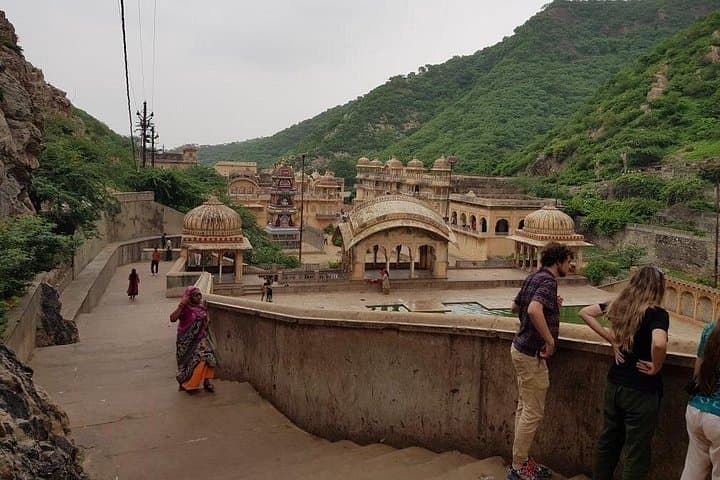
Morning air in Old Delhi moves with purpose: vendors call, rickshaws thread lanes and the first light hits sandstone and marble in different cities over six days. This private Golden Triangle itinerary moves from metropolitan Delhi—mughal gardens, Humayun’s Tomb and the Qutb Minar—south to the Taj Mahal on the Yamuna at Agra, then west through plains into Rajasthan’s painted cities, ending amid Jaipur’s forts and observatories.
Verified experiences and guided adventures in the surrounding area.
Operated by Indike Travels · New Delhi, Delhi
Morning air in Old Delhi moves with purpose: vendors call, rickshaws thread lanes and the first light hits sandstone and marble in different cities over six days. This private Golden Triangle itinerary moves from metropolitan Delhi—mughal gardens, Humayun’s Tomb and the Qutb Minar—south to the Taj Mahal on the Yamuna at Agra, then west through plains into Rajasthan’s painted cities, ending amid Jaipur’s forts and observatories.
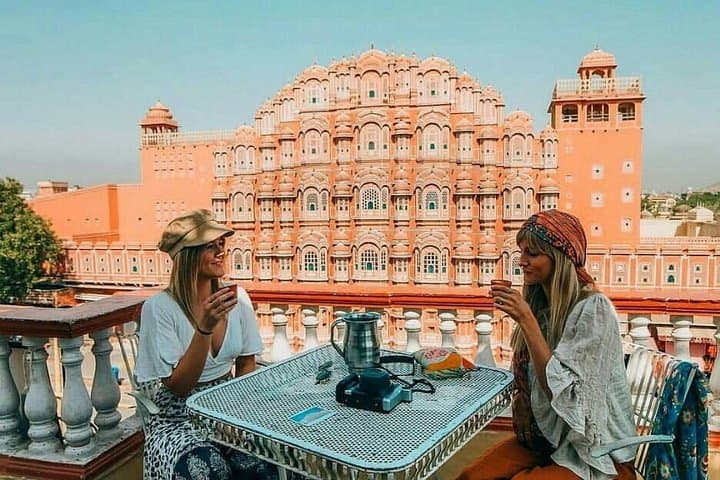
The route traces centuries of Mughal and Rajput power: Humayun’s 16th-century tomb foreshadows the Taj’s marble geometry, while Jaipur’s Hawa Mahal and Jantar Mantar reflect Rajput courtcraft and pre-modern astronomy. Geologically the circuit runs across the Indo-Gangetic plain—flat agricultural lowlands that frame the monuments—while local crafts and cuisine speak to regional trade histories from spice routes to royal patronage.
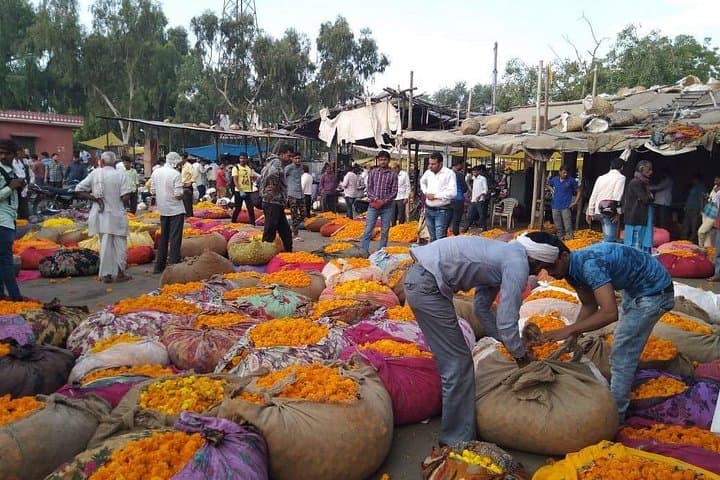
Expect a travel rhythm of short guided walks, museum stops and highway drives of 4–6 hours between cities. Sunrise at the Taj is a real reward—soft light, cooler temperatures and thinner crowds; Delhi’s markets are sensory study halls best explored with a guide who knows routes and etiquette. Hydration and respectful dress matter at religious sites; mornings and late afternoons are best for photography and walking.
Practical: book entry windows for major monuments, carry photocopies of passports, and confirm vehicle pickup times. Comfortable walking shoes, sun protection and small local-currency notes make daily logistics smoother. This private circuit balances history-rich stops, manageable driving intervals and the flexibility to linger where the architecture, markets or light demand it.
easy.
6 days.
Light fitness required—comfortable with several short walks (30–180 minutes) some days and up to 4–6 hours driving between cities.
Many private tours include monument admission when listed; confirm with your operator and keep printed or mobile tickets available at entry.
Major sites like Humayun’s Tomb and parts of Agra Fort offer accessible routes, but some historic stairs and terraces remain difficult—check specific accessibility needs in advance.
Private tours typically offer English-speaking guides and can often provide guides in other major languages on request—confirm at booking.
Itineraries usually schedule morning and afternoon visits with built-in free time for markets and lunch; request adjustments to linger longer at preferred stops.
The Golden Triangle links Delhi’s imperial role, the Mughal-era capital of Agra and the Rajput courts of Jaipur—cities that shaped northern India’s political and architectural history.
High visitor volumes stress fragile sites; follow site rules, avoid touching carved stone, use marked paths and support local guides and conservation fees where applied.
Indike Travels operates guided outdoor trips and adventures with an emphasis on safety, stewardship, and memorable experiences.

Morning air in Old Delhi moves with purpose: vendors call, rickshaws thread lanes and the first light hits sandstone and marble in different cities over six days. This private Golden Triangle itinerary moves from metropolitan Delhi—mughal gardens, Humayun’s Tomb and the Qutb Minar—south to the Taj Mahal on the Yamuna at Agra, then west through plains into Rajasthan’s painted cities, ending amid Jaipur’s forts and observatories.
Morning air in Old Delhi moves with purpose: vendors call, rickshaws thread lanes and the first light hits sandstone and marble in different cities over six days. This private Golden Triangle itinerary moves from metropolitan Delhi—mughal gardens, Humayun’s Tomb and the Qutb Minar—south to the Taj Mahal on the Yamuna at Agra, then west through plains into Rajasthan’s painted cities, ending amid Jaipur’s forts and observatories.
The route traces centuries of Mughal and Rajput power: Humayun’s 16th-century tomb foreshadows the Taj’s marble geometry, while Jaipur’s Hawa Mahal and Jantar Mantar reflect Rajput courtcraft and pre-modern astronomy. Geologically the circuit runs across the Indo-Gangetic plain—flat agricultural lowlands that frame the monuments—while local crafts and cuisine speak to regional trade histories from spice routes to royal patronage.
Expect a travel rhythm of short guided walks, museum stops and highway drives of 4–6 hours between cities. Sunrise at the Taj is a real reward—soft light, cooler temperatures and thinner crowds; Delhi’s markets are sensory study halls best explored with a guide who knows routes and etiquette. Hydration and respectful dress matter at religious sites; mornings and late afternoons are best for photography and walking.
Practical: book entry windows for major monuments, carry photocopies of passports, and confirm vehicle pickup times. Comfortable walking shoes, sun protection and small local-currency notes make daily logistics smoother. This private circuit balances history-rich stops, manageable driving intervals and the flexibility to linger where the architecture, markets or light demand it.