THE ADVENTURE COLLECTIVE® · Independent discovery and booking for outdoor travel

A compact, private 5-day loop through Delhi, Agra and Jaipur that pairs sunrise at the Taj Mahal with hilltop Amber Fort and the markets of Old Delhi. Ideal for travelers seeking concentrated cultural history with simple logistics.
A compact, private 5-day loop through Delhi, Agra and Jaipur that pairs sunrise at the Taj Mahal with hilltop Amber Fort and the markets of Old Delhi. Ideal for travelers seeking concentrated cultural history with simple logistics.
The day begins before sunrise at the Taj, where the marble cools from night and the first light carves relief from stone. A private car threads through Delhi’s avenues, drops you into a rickshaw among Chandni Chowk’s clamour, and unspools five days of Mughal red sandstone, Rajput ramparts and colonial boulevards.
Verified experiences and guided adventures in the surrounding area.
Operated by Indian Golden Triangle Tour · New Delhi, Delhi
The day begins before sunrise at the Taj, where the marble cools from night and the first light carves relief from stone. A private car threads through Delhi’s avenues, drops you into a rickshaw among Chandni Chowk’s clamour, and unspools five days of Mughal red sandstone, Rajput ramparts and colonial boulevards.
This circuit follows layered histories: Delhi’s Sultanate and British-era civic planning; Agra’s Mughal ambition centered on the Taj and Agra Fort; Jaipur’s Rajput palaces and the hilltop Amber Fort. Geologically, the Gangetic Plains that host these cities are alluvial—flat stretches broken by the Aravalli foothills rising near Jaipur—so expect easy driving and short climbs at forts and observatories rather than alpine effort.
Cultural notes: guided walkthroughs highlight pietra dura inlay at the Taj, stepwell engineering at Abhaneri, and Jantar Mantar’s pre-modern astronomy. Local life moves fast—markets brim with spices, textiles and street food—so keep an eye on timing between sights.
Practical guidance: travel early to beat heat and crowds; wear closed walking shoes for uneven fort steps; carry a refillable bottle—the itinerary includes bottled water but tap access is limited. Plan for variable hotel standards depending on star level selected and confirm internal flights or rail connections if extending beyond the loop.
This is a low-impact, high-accessibility cultural route: minimal fitness demands, richly rewarding visual history and straightforward logistics for travelers who want concentrated exposure to North India’s crown monuments.
easy.
5 days.
Suitable for travelers of most fitness levels; expect walking on uneven surfaces and short stair climbs at forts.
Yes, monument entrance fees are included for scheduled Taj visits, but verify sunrise access when booking as time slots are limited.
Pickup and drop-off at Delhi airport, railway stations or hotels are included as per the tour details—confirm times when you book.
Yes; the tour notes allow customization in each city—discuss priorities with your guide in advance to adjust pacing or add stops.
Generally yes—physical demands are low though forts have stairs; the provider marks it as suitable for most fitness levels but not recommended for those with spinal or serious cardiovascular conditions.
The Golden Triangle stitches Mughal imperial projects (Taj, Agra Fort) with Rajput court culture in Jaipur and British-era civic planning in Delhi, giving a compressed view of North India’s layered past.
High visitation stresses monuments—use designated paths, avoid touching inlaid surfaces, and prefer refillable water to reduce plastic waste.
Indian Golden Triangle Tour operates guided outdoor trips and adventures with an emphasis on safety, stewardship, and memorable experiences.


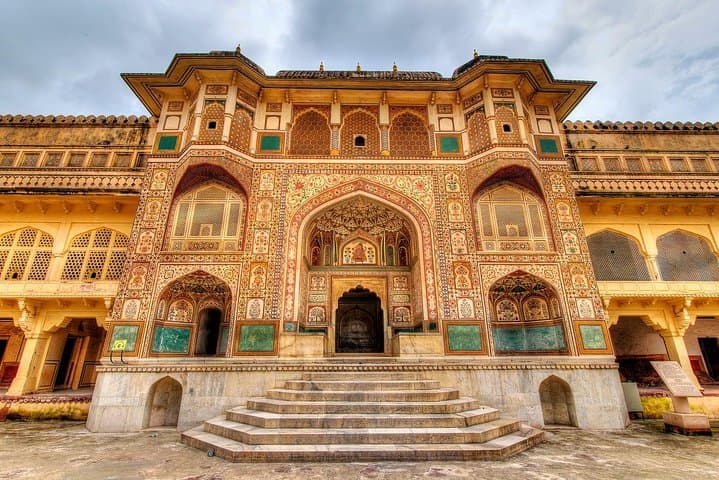

The day begins before sunrise at the Taj, where the marble cools from night and the first light carves relief from stone. A private car threads through Delhi’s avenues, drops you into a rickshaw among Chandni Chowk’s clamour, and unspools five days of Mughal red sandstone, Rajput ramparts and colonial boulevards.
The day begins before sunrise at the Taj, where the marble cools from night and the first light carves relief from stone. A private car threads through Delhi’s avenues, drops you into a rickshaw among Chandni Chowk’s clamour, and unspools five days of Mughal red sandstone, Rajput ramparts and colonial boulevards.
This circuit follows layered histories: Delhi’s Sultanate and British-era civic planning; Agra’s Mughal ambition centered on the Taj and Agra Fort; Jaipur’s Rajput palaces and the hilltop Amber Fort. Geologically, the Gangetic Plains that host these cities are alluvial—flat stretches broken by the Aravalli foothills rising near Jaipur—so expect easy driving and short climbs at forts and observatories rather than alpine effort.
Cultural notes: guided walkthroughs highlight pietra dura inlay at the Taj, stepwell engineering at Abhaneri, and Jantar Mantar’s pre-modern astronomy. Local life moves fast—markets brim with spices, textiles and street food—so keep an eye on timing between sights.
Practical guidance: travel early to beat heat and crowds; wear closed walking shoes for uneven fort steps; carry a refillable bottle—the itinerary includes bottled water but tap access is limited. Plan for variable hotel standards depending on star level selected and confirm internal flights or rail connections if extending beyond the loop.
This is a low-impact, high-accessibility cultural route: minimal fitness demands, richly rewarding visual history and straightforward logistics for travelers who want concentrated exposure to North India’s crown monuments.