THE ADVENTURE COLLECTIVE® · Independent discovery and booking for outdoor travel

A private five‑day circuit through Delhi, Agra and Jaipur that pairs sunrise Taj views with Jaipur’s hilltop forts and Delhi’s layered bazaars. Ideal for travelers who want curated access, private transfers, and comfortable hotels while sampling Mughal and Rajput history.
A private five‑day circuit through Delhi, Agra and Jaipur that pairs sunrise Taj views with Jaipur’s hilltop forts and Delhi’s layered bazaars. Ideal for travelers who want curated access, private transfers, and comfortable hotels while sampling Mughal and Rajput history.
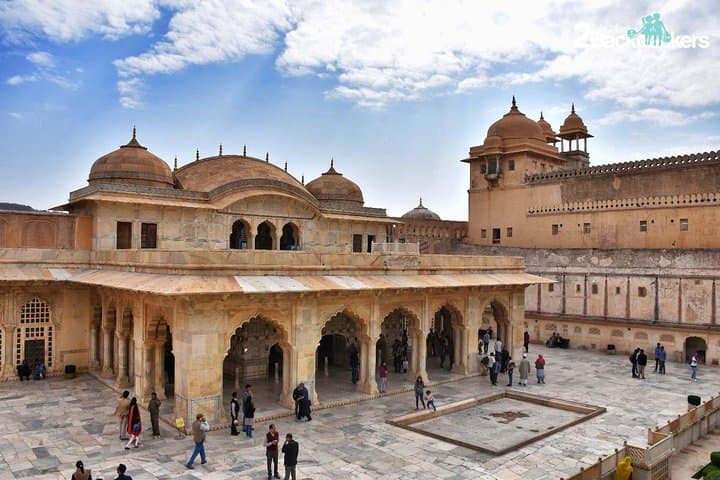
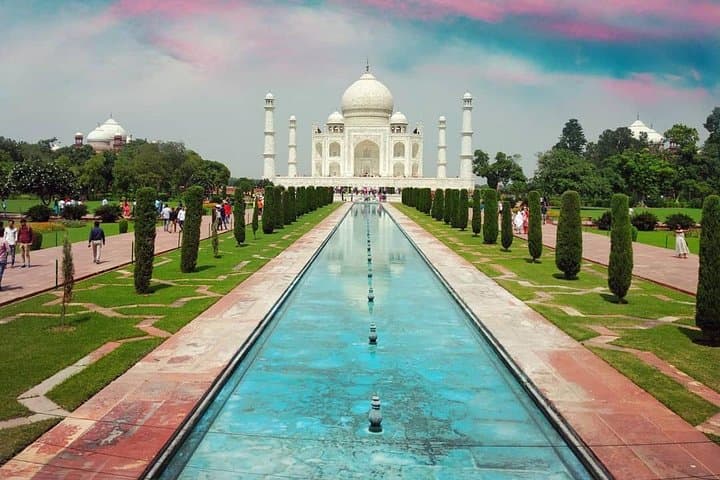
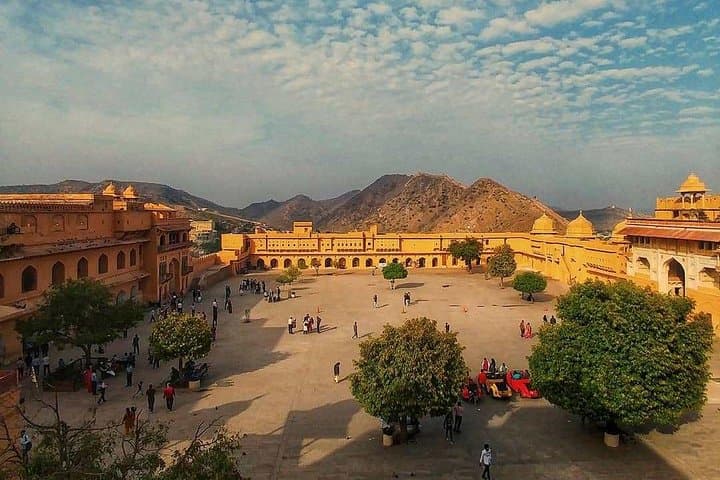
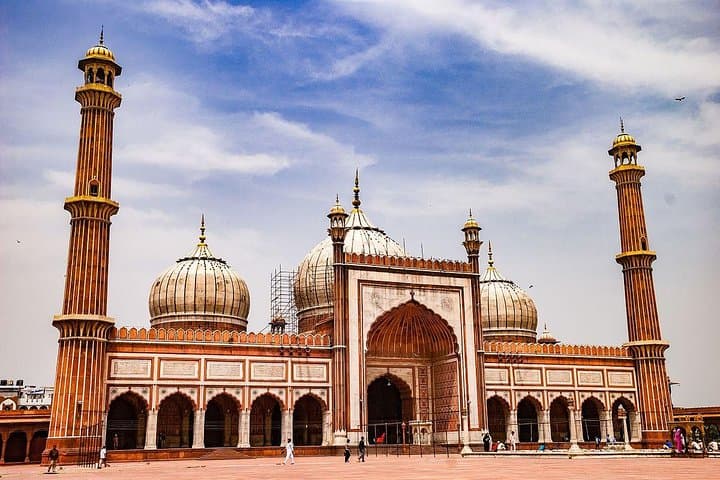
Morning traffic peels away as an air‑conditioned car slips from Delhi’s wide avenues into the narrower alleys of Old Delhi — rickshaws thread past spice stalls and the call to prayer floats above Jama Masjid. Over five days the route pushes east and west across northern India: sunrise at the Taj, a jeep climb to Amer Fort, and the pink-hued facades of Jaipur seen against scrubby Aravalli ridgelines.
Verified experiences and guided adventures in the surrounding area.
Operated by Same Day Tour Taj Mahal · New Delhi, Delhi
Morning traffic peels away as an air‑conditioned car slips from Delhi’s wide avenues into the narrower alleys of Old Delhi — rickshaws thread past spice stalls and the call to prayer floats above Jama Masjid. Over five days the route pushes east and west across northern India: sunrise at the Taj, a jeep climb to Amer Fort, and the pink-hued facades of Jaipur seen against scrubby Aravalli ridgelines.
The Golden Triangle stitches Mughal and Rajput history into an easy circuit: Humayun’s tomb and Qutub Minar in Delhi show early Mughal ambitions; Agra’s Taj Mahal and Agra Fort are imperial architecture set along the Yamuna; Jaipur’s city planning and Amer Fort display Rajput power and hill‑fort tradition. Geology matters too — the alluvial plains around Agra give way to the low, rocky Aravalli hills near Jaipur, shaping fortress siting and irrigation patterns. Local culture is immediate: bazaars, rooftop tea stalls, stepwells like Abhaneri, and the ritual of sunrise and sunset visits that draw both pilgrims and photographers.
Practical guidance: expect 3–4 hours of comfortable driving between cities (Delhi–Agra ~4 hours). Early starts maximize light and beat heat; sunrise at the Taj is both quieter and cooler. Carry hydration and sun protection, and keep passports and preprinted tickets handy for fast entry. Hotels in the package range from 3–5 stars (twin share) with included breakfasts; private guides smooth logistics and offer historical context. Move at a steady pace, plan downtime between sightseeing blocks, and reserve amber fort jeep rides in advance — they’re steep access but offer the best vantage points over the valley.
moderate.
5 days.
Light‑moderate: you should be comfortable walking 2–4 miles over a day with stairs and uneven surfaces
Yes — visiting at sunrise is recommended for cooler temperatures and smaller crowds; check local calendar for any holiday closures.
The itinerary notes professional guides and sightseeing by car, but some monument tickets may be charged on top depending on package details — confirm at booking.
Expect roughly a 3.5–4 hour drive by air‑conditioned car depending on traffic and stops en route.
The tour involves stairs and uneven surfaces at forts and monuments; it is not ideal for those with severe mobility restrictions.
The Golden Triangle compresses Mughal imperial architecture and Rajput hill‑fort tradition into a compact circuit — the Taj and Agra Fort are Mughal signatures while Amer and city palaces reflect Rajput court culture.
High visitor numbers strain fragile monument fabrics and water systems; stick to marked paths, avoid flash photography where prohibited, and use refillable bottles to reduce plastic waste.
Same Day Tour Taj Mahal operates guided outdoor trips and adventures with an emphasis on safety, stewardship, and memorable experiences.
Morning traffic peels away as an air‑conditioned car slips from Delhi’s wide avenues into the narrower alleys of Old Delhi — rickshaws thread past spice stalls and the call to prayer floats above Jama Masjid. Over five days the route pushes east and west across northern India: sunrise at the Taj, a jeep climb to Amer Fort, and the pink-hued facades of Jaipur seen against scrubby Aravalli ridgelines.
Morning traffic peels away as an air‑conditioned car slips from Delhi’s wide avenues into the narrower alleys of Old Delhi — rickshaws thread past spice stalls and the call to prayer floats above Jama Masjid. Over five days the route pushes east and west across northern India: sunrise at the Taj, a jeep climb to Amer Fort, and the pink-hued facades of Jaipur seen against scrubby Aravalli ridgelines.
The Golden Triangle stitches Mughal and Rajput history into an easy circuit: Humayun’s tomb and Qutub Minar in Delhi show early Mughal ambitions; Agra’s Taj Mahal and Agra Fort are imperial architecture set along the Yamuna; Jaipur’s city planning and Amer Fort display Rajput power and hill‑fort tradition. Geology matters too — the alluvial plains around Agra give way to the low, rocky Aravalli hills near Jaipur, shaping fortress siting and irrigation patterns. Local culture is immediate: bazaars, rooftop tea stalls, stepwells like Abhaneri, and the ritual of sunrise and sunset visits that draw both pilgrims and photographers.
Practical guidance: expect 3–4 hours of comfortable driving between cities (Delhi–Agra ~4 hours). Early starts maximize light and beat heat; sunrise at the Taj is both quieter and cooler. Carry hydration and sun protection, and keep passports and preprinted tickets handy for fast entry. Hotels in the package range from 3–5 stars (twin share) with included breakfasts; private guides smooth logistics and offer historical context. Move at a steady pace, plan downtime between sightseeing blocks, and reserve amber fort jeep rides in advance — they’re steep access but offer the best vantage points over the valley.