THE ADVENTURE COLLECTIVE® · Independent discovery and booking for outdoor travel

Five days that compress Mughal courts, marble monuments and Rajput palaces into one easy loop. This private Golden Triangle tour pairs guided visits to Delhi, Agra and Jaipur with practical transport and hotel service.
Five days that compress Mughal courts, marble monuments and Rajput palaces into one easy loop. This private Golden Triangle tour pairs guided visits to Delhi, Agra and Jaipur with practical transport and hotel service.
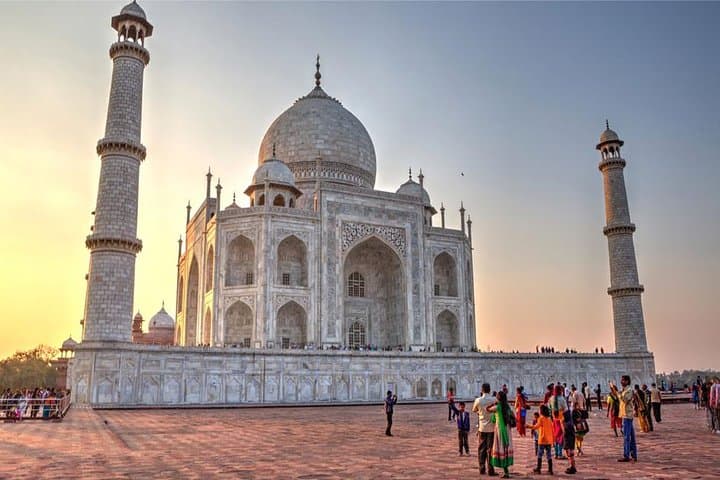
You step from the airport into a city of layered voices—auto horns, temple bells, and the measured chatter of chai vendors—then, in five compact days, the landscape opens into palaces, forts and the perfect white curve of the Taj Mahal.
Verified experiences and guided adventures in the surrounding area.
Operated by Taj Adventure World · New Delhi, Delhi
You step from the airport into a city of layered voices—auto horns, temple bells, and the measured chatter of chai vendors—then, in five compact days, the landscape opens into palaces, forts and the perfect white curve of the Taj Mahal.
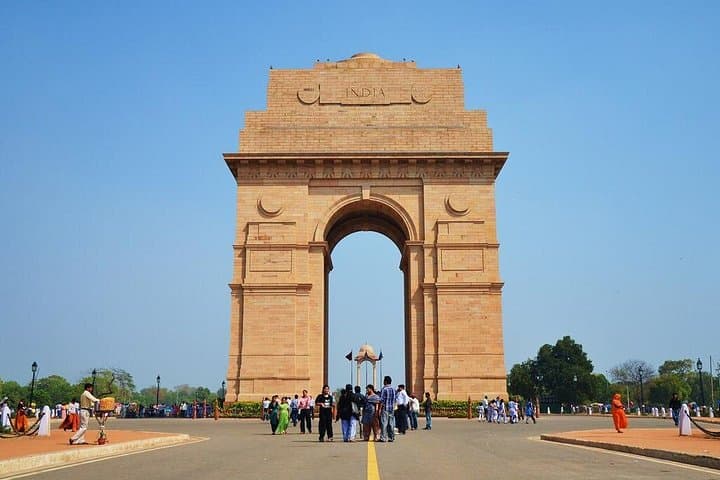
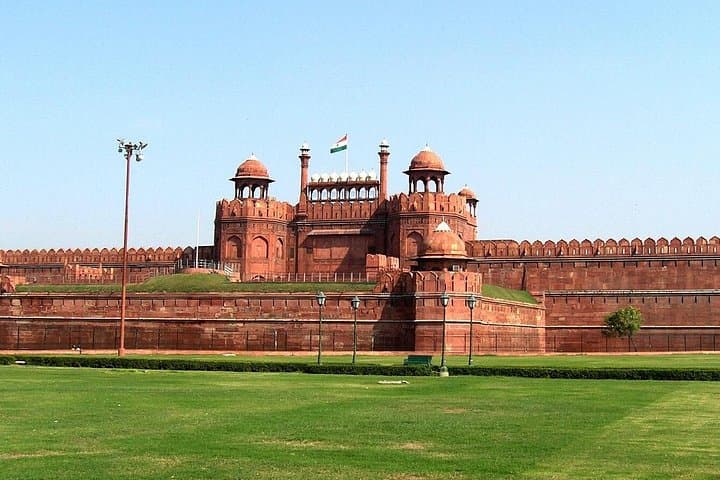
This route threads three of northern India’s defining places: New Delhi’s imperial monuments and Mughal-era lanes, Agra’s riverside tombs and sandstone ramparts, and Jaipur’s fortified hills and planned bazaars. Geology and empire meet here—red sandstone from local quarries builds Fatehpur Sikri and Agra Fort while marble quarried nearby gives the Taj its luminous face. Cultural rhythms—morning aarti, market bargaining, evening bazaars—shape how you move through each city.
Expect walking over uneven stone steps at Amber Fort, long paved approaches at Humayun’s Tomb, and crowded alleys in Old Delhi where rickshaws thread through sari fabrics and spice stalls. The Taj’s reflective pools demand an early or late visit for softer light; note that it is closed on Fridays. Guides commonly add local color: a stop at a sweets shop in Agra or a block-printing demonstration outside Jaipur.
Practical side: this is a private, transport-heavy tour with hotel pickups and drop-offs. Plan for heat, dust, and intensive days—bring layered clothing, sun protection and comfortable walking shoes. Carry a reusable water bottle and copies of ID; modest dress is required at some religious sites. With modest fitness and an appetite for urban exploration, the Golden Triangle concentrates India's history and color into five efficient, memorable days.
moderate.
5 days (approx. 8–10 hours touring per day).
Moderate fitness: able to walk several miles over uneven surfaces and climb steps intermittently.
No—Taj Mahal is closed on Fridays for congregational prayers; plan your schedule accordingly.
Most foreign visitors need a valid Indian visa; check your country’s requirements well before travel and carry a copy while touring.
This private tour includes transport and guide services but typically not monument entry fees—confirm inclusions with the operator before booking.
Not recommended: sites have many steps and uneven surfaces; those with serious mobility issues should discuss accessibility options with the operator.
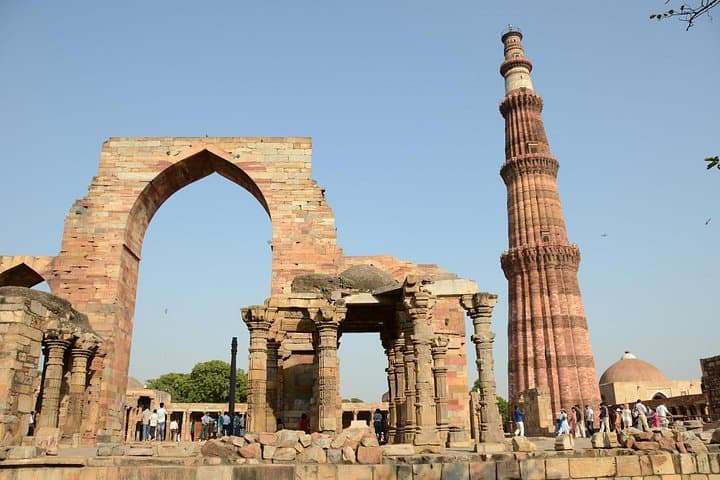
The Golden Triangle links Mughal-era sites and Rajput palaces—Delhi’s Qutub Minar predates Mughal rule, while Fatehpur Sikri was a short-lived Mughal capital built by Akbar.
High visitor numbers put pressure on monuments and local water resources; use refillable bottles, stay on designated paths and follow guide instructions to reduce impact.
Taj Adventure World operates guided outdoor trips and adventures with an emphasis on safety, stewardship, and memorable experiences.
You step from the airport into a city of layered voices—auto horns, temple bells, and the measured chatter of chai vendors—then, in five compact days, the landscape opens into palaces, forts and the perfect white curve of the Taj Mahal.
You step from the airport into a city of layered voices—auto horns, temple bells, and the measured chatter of chai vendors—then, in five compact days, the landscape opens into palaces, forts and the perfect white curve of the Taj Mahal.
This route threads three of northern India’s defining places: New Delhi’s imperial monuments and Mughal-era lanes, Agra’s riverside tombs and sandstone ramparts, and Jaipur’s fortified hills and planned bazaars. Geology and empire meet here—red sandstone from local quarries builds Fatehpur Sikri and Agra Fort while marble quarried nearby gives the Taj its luminous face. Cultural rhythms—morning aarti, market bargaining, evening bazaars—shape how you move through each city.
Expect walking over uneven stone steps at Amber Fort, long paved approaches at Humayun’s Tomb, and crowded alleys in Old Delhi where rickshaws thread through sari fabrics and spice stalls. The Taj’s reflective pools demand an early or late visit for softer light; note that it is closed on Fridays. Guides commonly add local color: a stop at a sweets shop in Agra or a block-printing demonstration outside Jaipur.
Practical side: this is a private, transport-heavy tour with hotel pickups and drop-offs. Plan for heat, dust, and intensive days—bring layered clothing, sun protection and comfortable walking shoes. Carry a reusable water bottle and copies of ID; modest dress is required at some religious sites. With modest fitness and an appetite for urban exploration, the Golden Triangle concentrates India's history and color into five efficient, memorable days.