THE ADVENTURE COLLECTIVE® · Independent discovery and booking for outdoor travel

Witness sunrise at the Taj, scale Amber Fort’s ramparts and stroll Delhi’s Mughal monuments on a focused 4-day route through India’s Golden Triangle. Practical tips cover timing, heat, and modest dress so you get the most from each city.
Witness sunrise at the Taj, scale Amber Fort’s ramparts and stroll Delhi’s Mughal monuments on a focused 4-day route through India’s Golden Triangle. Practical tips cover timing, heat, and modest dress so you get the most from each city.
Dawn arrives pink and cool on the banks of the Yamuna as the Taj Mahal’s marble softens into gold. You stand on the riverbank while rickshaws and tuk-tuks wake nearby; the city hums and ancient stone waits. This four-day circuit threads three distinct urban landscapes—New Delhi’s imperial boulevards, Agra’s river-front mausoleums, and Jaipur’s pink sandstone ramparts.
Verified experiences and guided adventures in the surrounding area.
Operated by StayBook · New Delhi, Delhi
Dawn arrives pink and cool on the banks of the Yamuna as the Taj Mahal’s marble softens into gold. You stand on the riverbank while rickshaws and tuk-tuks wake nearby; the city hums and ancient stone waits. This four-day circuit threads three distinct urban landscapes—New Delhi’s imperial boulevards, Agra’s river-front mausoleums, and Jaipur’s pink sandstone ramparts.
History here is tactile: Mughal courts left tombs and red sandstone forts, Rajput rulers carved palaces into the Aravalli ridge, and colonial-era avenues still channel modern governance. Geology is subtle but real—the Indo-Gangetic plain’s alluvial soils feed the Yamuna and flatten the routes between cities; the Aravalli foothills in Jaipur lift the skyline and host the hilltop Amber and Jaigarh forts.
Expect crowded monuments, deliberate pacing through museum rooms, and stretches of walking across uneven sandstone steps and marble terraces. Cultural rhythms matter: early mornings yield cooler air and smaller crowds; markets pulse after sunset with street food and textiles.
Practical guidance: plan for long drives (Delhi–Agra ~3–4 hours, Agra–Jaipur ~4 hours), book Taj sunrise in advance (closed Fridays), and carry small-denomination cash for markets and tips. Wear breathable, modest clothing for temples and religious sites; comfortable walking shoes are essential. Hydrate constantly in summer, and allow extra time for traffic when moving between cities. With a private car and local guide, you get context and flexible timing—bring patience, a camera, and respect for security checks at major sites.
easy.
4 days (≈96 hours).
Suitable for most fitness levels; expect several hours of walking each day, stairs at forts, and some standing during guided visits.
No—Taj Mahal is closed on Fridays for prayer; plan your Agra day accordingly and book tickets for a sunrise or early slot.
Major sites like Humayun’s Tomb and parts of the Red Fort have accessible areas, but many historic structures have stairs and uneven surfaces—contact your operator for specific accessibility arrangements.
Expect about 3–4 hours Delhi–Agra, 4–5 hours Agra–Jaipur, and 4–6 hours Jaipur–Delhi depending on traffic; a private vehicle gives flexibility for stops.
Street food can be excellent—choose busy vendors, avoid raw salads, and drink bottled or filtered water; if you have a sensitive stomach, stick to cooked items and reputable restaurants.
The Golden Triangle collects Mughal-era masterpieces and Rajput palaces: the Taj (17th-century Mughal memorial), Agra Fort, and Jaipur’s Amber Fort reflect imperial patronage and regional defense architectures.
High visitor volumes strain fragile marble and sandstone; follow site rules, avoid touching inlaid surfaces, and minimize single‑use plastics to reduce local waste.
StayBook operates guided outdoor trips and adventures with an emphasis on safety, stewardship, and memorable experiences.
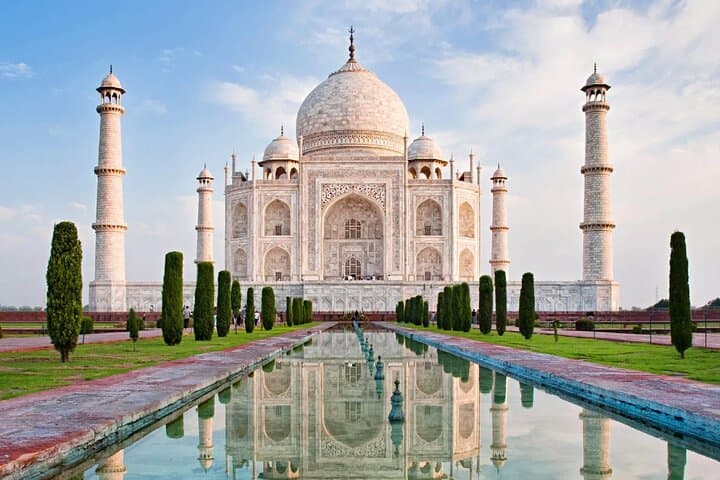
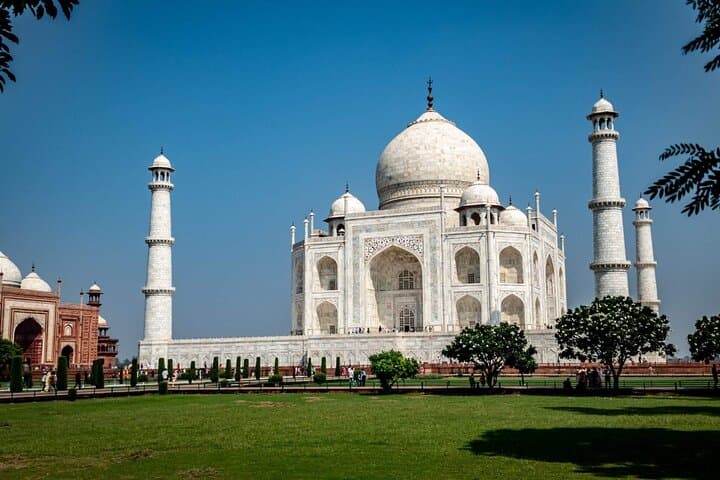
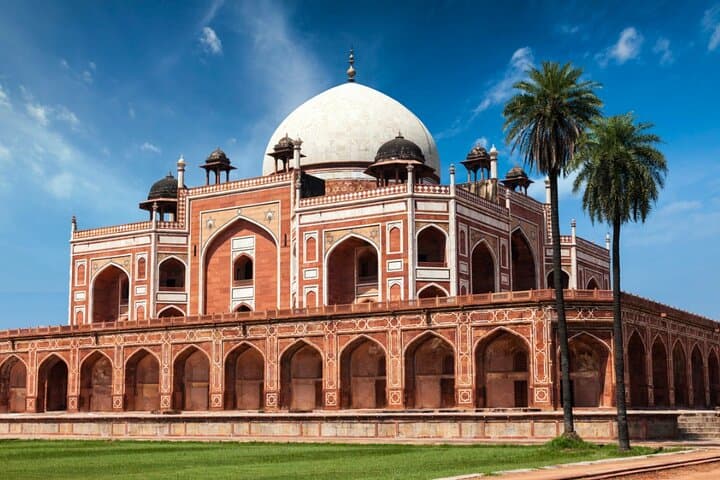
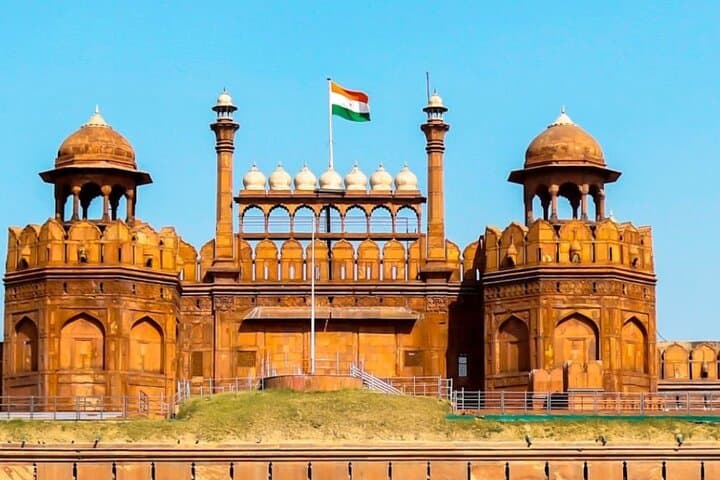
Dawn arrives pink and cool on the banks of the Yamuna as the Taj Mahal’s marble softens into gold. You stand on the riverbank while rickshaws and tuk-tuks wake nearby; the city hums and ancient stone waits. This four-day circuit threads three distinct urban landscapes—New Delhi’s imperial boulevards, Agra’s river-front mausoleums, and Jaipur’s pink sandstone ramparts.
Dawn arrives pink and cool on the banks of the Yamuna as the Taj Mahal’s marble softens into gold. You stand on the riverbank while rickshaws and tuk-tuks wake nearby; the city hums and ancient stone waits. This four-day circuit threads three distinct urban landscapes—New Delhi’s imperial boulevards, Agra’s river-front mausoleums, and Jaipur’s pink sandstone ramparts.
History here is tactile: Mughal courts left tombs and red sandstone forts, Rajput rulers carved palaces into the Aravalli ridge, and colonial-era avenues still channel modern governance. Geology is subtle but real—the Indo-Gangetic plain’s alluvial soils feed the Yamuna and flatten the routes between cities; the Aravalli foothills in Jaipur lift the skyline and host the hilltop Amber and Jaigarh forts.
Expect crowded monuments, deliberate pacing through museum rooms, and stretches of walking across uneven sandstone steps and marble terraces. Cultural rhythms matter: early mornings yield cooler air and smaller crowds; markets pulse after sunset with street food and textiles.
Practical guidance: plan for long drives (Delhi–Agra ~3–4 hours, Agra–Jaipur ~4 hours), book Taj sunrise in advance (closed Fridays), and carry small-denomination cash for markets and tips. Wear breathable, modest clothing for temples and religious sites; comfortable walking shoes are essential. Hydrate constantly in summer, and allow extra time for traffic when moving between cities. With a private car and local guide, you get context and flexible timing—bring patience, a camera, and respect for security checks at major sites.