THE ADVENTURE COLLECTIVE® · Independent discovery and booking for outdoor travel

A four-day private loop from Mumbai that connects Delhi’s monuments, Agra’s Taj Mahal at sunrise, and Jaipur’s forts and bazaars. Private transfers, return flights, and monument entry fees streamline sightseeing across India’s historic Golden Triangle.
A four-day private loop from Mumbai that connects Delhi’s monuments, Agra’s Taj Mahal at sunrise, and Jaipur’s forts and bazaars. Private transfers, return flights, and monument entry fees streamline sightseeing across India’s historic Golden Triangle.
You land in Delhi before dawn and the air already carries the city’s noise—auto horns, vendors calling, the smell of chai steaming up from a roadside stall. The itinerary pushes you from political Delhi’s wide boulevards and red sandstone monuments to the riverbank hush of Agra at sunrise and the pink-stone ramparts of Jaipur by evening, all stitched together with private AC transfers and short internal flights.
Verified experiences and guided adventures in the surrounding area.
Operated by Kohinoor Holidays · New Delhi, Delhi
You land in Delhi before dawn and the air already carries the city’s noise—auto horns, vendors calling, the smell of chai steaming up from a roadside stall. The itinerary pushes you from political Delhi’s wide boulevards and red sandstone monuments to the riverbank hush of Agra at sunrise and the pink-stone ramparts of Jaipur by evening, all stitched together with private AC transfers and short internal flights.
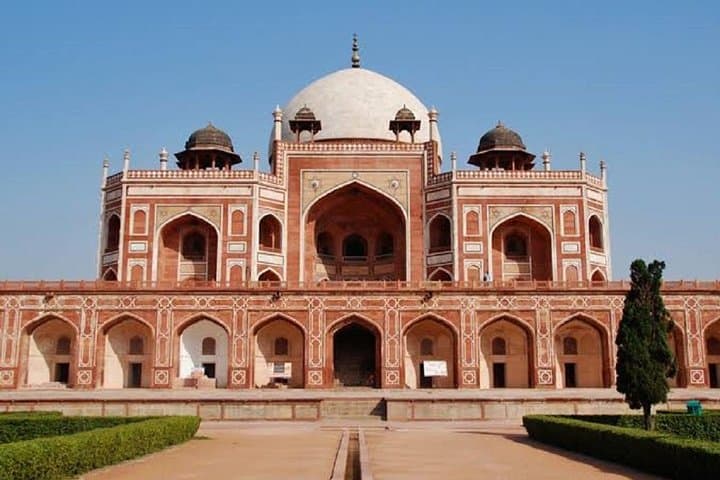
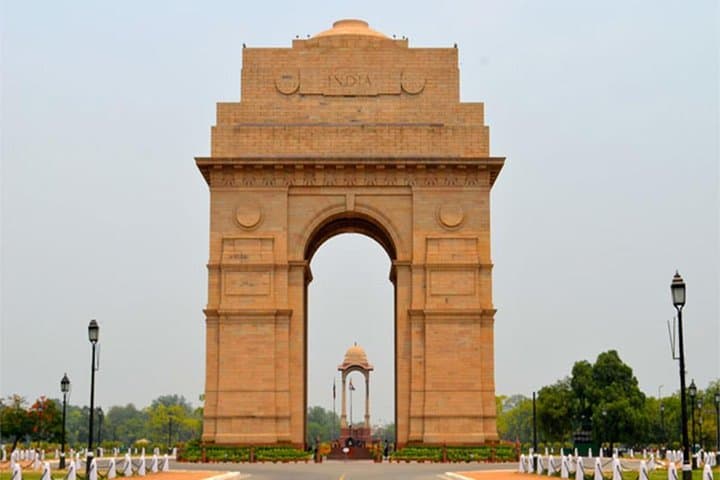
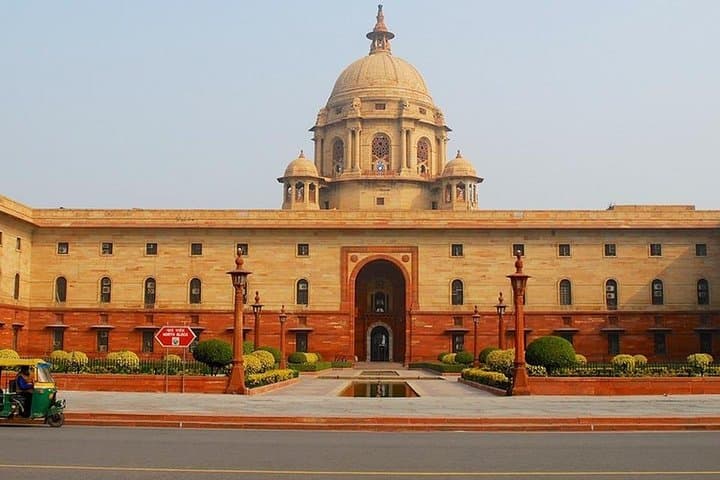
This route traces contrasting chapters of north Indian history: Mughal tomb-building at the Taj Mahal and Agra Fort, Saharanpur and Jaipur’s Rajput palaces and observatories, and colonial-era Delhi’s civic axis. Geology is visible in the stone—white Makrana marble at Agra, red and pink sandstone around Delhi and Jaipur—while the Yamuna threads Agra’s silhouette and city bazaars keep centuries of craft alive.
Expect early mornings for the Taj sunrise, stair-climbing at forts, crowded markets, and pockets of calm in garden viewpoints like Mehtab Bagh. Local culture is sensory—flower garlands, street snacks, and bargaining in bazaars—so plan for modest dress at religious sites and patient, flexible timing.
Practical guidance: flights between Mumbai and Delhi are included; the driver handles point-to-point transfers. Carry a water bottle, sun protection, comfortable walking shoes, and a photocopy of your passport for monument entry. Allow three hours for the Delhi–Agra drive on the Yamuna Expressway, and plan for heavy foot traffic at marquee sites; if you want quieter photos, request very early Taj entry. This four-day circuit is low on technical demand but high on sensory overload—pack layers for cool winter mornings and light breathable clothing for summer heat.
easy.
4 days.
Suitable for travelers in average physical condition; involves walking on uneven surfaces and climbing steps at forts and tombs.
Yes — return flight tickets (Mumbai–Delhi–Mumbai) are included in the package price.
Monument entry fees and a professional tour guide are listed as inclusions; confirm any optional activities that may have extra charges.
Expect several hours of walking on uneven ground and steps at major sites, with periods of vehicle transfer between cities.
The booking notes wheelchair-accessible options; however, many historic sites have steps—confirm special assistance needs when booking.
The Golden Triangle links Delhi, Agra and Jaipur—centers of Mughal and Rajput power; the Taj Mahal is a 17th-century Mughal mausoleum built by Shah Jahan.
Visitor pressure is high at marquee monuments—avoid single-use plastics, respect restricted areas, and follow local guidance to reduce impact.
Kohinoor Holidays operates guided outdoor trips and adventures with an emphasis on safety, stewardship, and memorable experiences.

You land in Delhi before dawn and the air already carries the city’s noise—auto horns, vendors calling, the smell of chai steaming up from a roadside stall. The itinerary pushes you from political Delhi’s wide boulevards and red sandstone monuments to the riverbank hush of Agra at sunrise and the pink-stone ramparts of Jaipur by evening, all stitched together with private AC transfers and short internal flights.
You land in Delhi before dawn and the air already carries the city’s noise—auto horns, vendors calling, the smell of chai steaming up from a roadside stall. The itinerary pushes you from political Delhi’s wide boulevards and red sandstone monuments to the riverbank hush of Agra at sunrise and the pink-stone ramparts of Jaipur by evening, all stitched together with private AC transfers and short internal flights.
This route traces contrasting chapters of north Indian history: Mughal tomb-building at the Taj Mahal and Agra Fort, Saharanpur and Jaipur’s Rajput palaces and observatories, and colonial-era Delhi’s civic axis. Geology is visible in the stone—white Makrana marble at Agra, red and pink sandstone around Delhi and Jaipur—while the Yamuna threads Agra’s silhouette and city bazaars keep centuries of craft alive.
Expect early mornings for the Taj sunrise, stair-climbing at forts, crowded markets, and pockets of calm in garden viewpoints like Mehtab Bagh. Local culture is sensory—flower garlands, street snacks, and bargaining in bazaars—so plan for modest dress at religious sites and patient, flexible timing.
Practical guidance: flights between Mumbai and Delhi are included; the driver handles point-to-point transfers. Carry a water bottle, sun protection, comfortable walking shoes, and a photocopy of your passport for monument entry. Allow three hours for the Delhi–Agra drive on the Yamuna Expressway, and plan for heavy foot traffic at marquee sites; if you want quieter photos, request very early Taj entry. This four-day circuit is low on technical demand but high on sensory overload—pack layers for cool winter mornings and light breathable clothing for summer heat.